

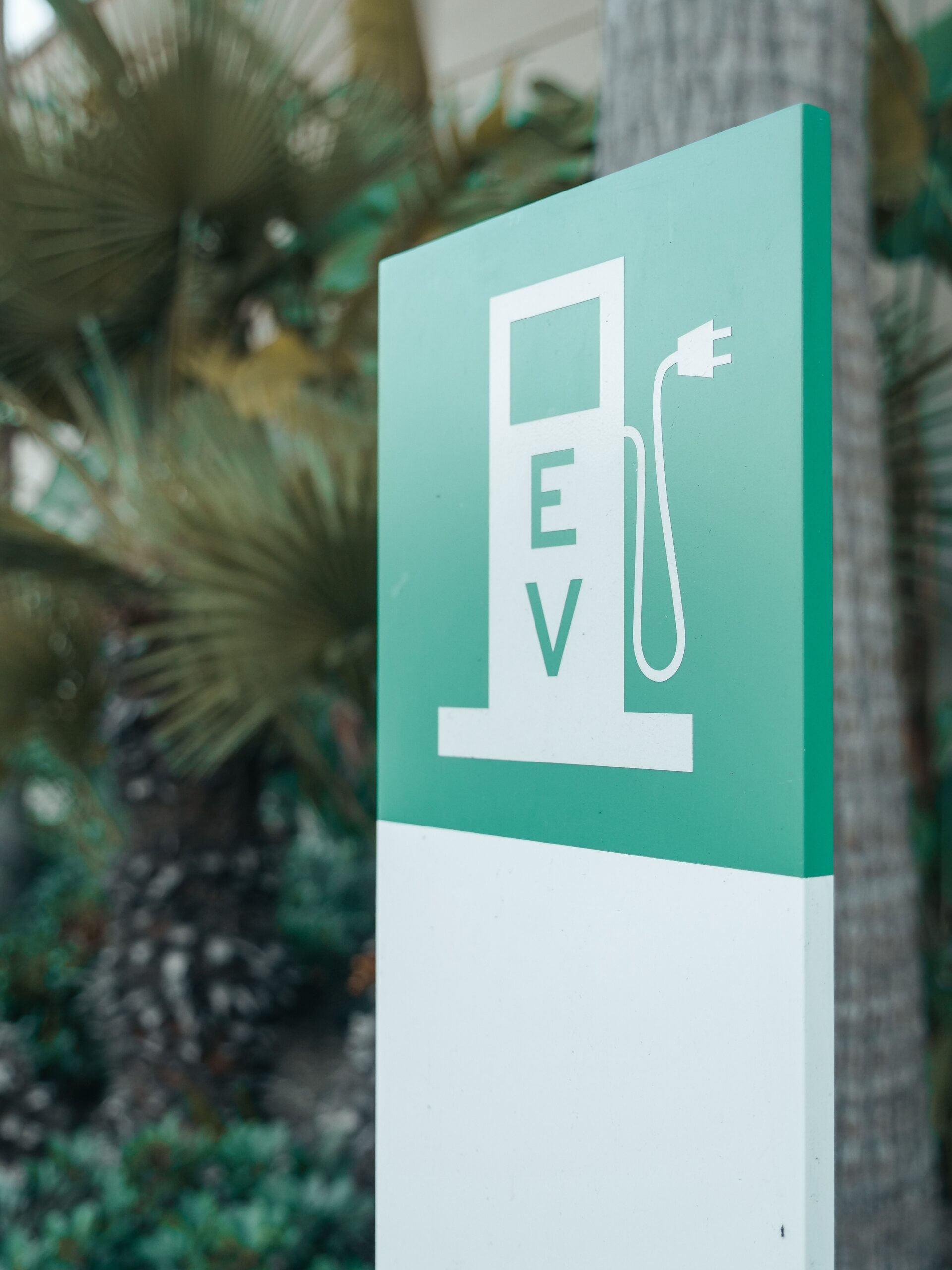
Electric vehicles (EV) have an increasingly important role in Pennsylvania’s transportation network. In 2022, there were over 42,000 EVs registered in the Commonwealth, almost double the roughly 23,000 that were registered in 2021. This increase in EVs corresponds to a greater need for charging stations, which in turn can impact a community’s land use goals and objectives.
While Pennsylvania’s Municipalities Planning Code (MPC) contains several provisions relating to vehicle parking facilities, it does not contain specific provisions relating to EV parking or EV charging stations. Nevertheless, the MPC affords municipalities a good deal of discretion and flexibility in enacting zoning ordinances, and municipalities may benefit from adopting EV-specific regulations.
By way of example, Lititz Borough recently adopted an amendment to its zoning ordinance regulating residential and non-residential EV charging stations, as well as charging stations proposed in the public right-of-way (i.e., in the area from the sidewalk to the curb). Under the amendment, Borough Council is permitted to install EV charging stations in the public right-of-way at its discretion. Private residents who desire to install a curbside charger must submit a conditional use application and prove compliance with the amendment’s specific criteria, which include, among others, the adjacent landowner’s consent to the curbside charger and a requirement that the curbside charger be usable by other EV owners – free of charge (pun intended) – since public on-street parking cannot be reserved for one person. Further, businesses are permitted to dedicate up to 20% of their required parking areas to EVs, subject to increase through the special exception process. The amendment, which was codified as Section 324 of the Borough’s Zoning Ordinance, makes Lititz Borough the first municipality in Lancaster County to officially regulate charging stations.
Ultimately, the rise of EVs will require municipalities to revisit their zoning ordinances and evaluate, among other things, which zoning districts will permit EV charging stations; whether an EV charging station is considered an accessory use; the installation criteria for EV charging stations; and whether an EV charging station can be installed at an existing parking lot or facility selling gasoline or diesel fuel. Municipalities should work collaboratively with citizens and businesses to determine the most suitable methods for regulating EV charging stations in a manner that advances the community’s land use objectives.
Please feel free to contact any member of the McNees Wallace & Nurick Land Use Group for assistance with any land use or development issues and/or if you have any questions regarding this post.