

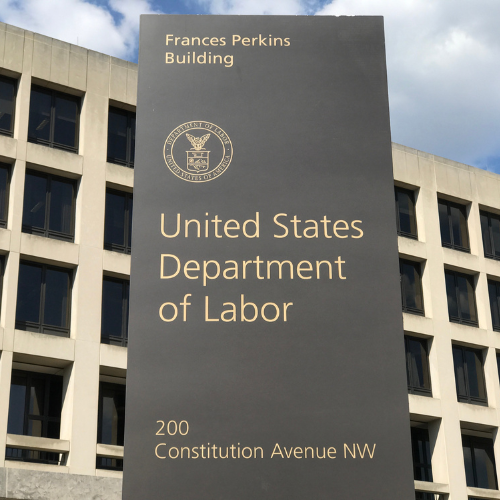
On January 26, 2024, the U.S. Department of Labor’s (“Department”) Office of Solicitor (“SOL”) published its FY2023 Enforcement Report (“Enforcement Report”). The report provides an insight into the Department’s labor and workplace safety initiatives and enforcement focus. The messaging in the Enforcement Report is consistent to what Hahn Loeser & Parks LLP has seen and been communicating to its clients for the past several years—the Department, under the current administration, is focusing on announcing enforcement goals and then compelling proactive compliance through enhanced enforcement measures. The 2022 National Emphasis Programs on Heat and Trenching are perfect examples of this approach.
In 2023, the Department’s enforcement priorities included: combating workplace retaliation, employee misclassification, child labor, and protecting immigrant and migrant workers. Of significance, the Enforcement Report also highlighted several OSHA cases demonstrating the increasing number of criminal referrals. The Department views criminal prosecution as an effective enforcement tool and believes the threat of criminal liability encourages increased compliance.
The Department’s Enforcement Toolkit in 2023 Included:
Corporate Veil Piercing
- The SOL successfully pierced the corporate veil of a Maine contractor to hold its owner personally liable for $1.5 million in monetary penalties. The monetary penalties arose from the falling death of an employee. Prior to the fatality, the Contractor repeatedly failed to ensure the use of fall protection on its Projects. The Contractor’s prior violations and wanton disregard for employee safety allowed the SOL to pursue such action against an individual.
Criminal Referrals
- The U.S. Attorney for the Southern District of New York charged a roofing contractor for willfully violating OSHA regulations following a criminal referral from OSHA and SOL. The New York roofing contractor had a history of willful OSHA violations following the death of two employees. The roofing contractor had received 24 willful OSHA citations between 2019 and 2023, including willful egregious fall protection citations in August 2022 and February 2023.
- A Nebraska roofing contractor was held in criminal contempt for failure to appear at a hearing regarding the appropriate penalties and sanctions.
- SOL assisted the U.S. Attorney’s Office of the Eastern District of Kentucky in a prosecution that successfully held a coal company and its dust examiner criminally liable for submitting false samples. The company was sentenced to two years of probation and to pay a $200,000 fine, and the certified dust examiner was sentenced to six months in prison followed by six months of home detention.
Increased Monetary Penalties
- The Department reached a corporate-wide settlement agreement with Dollar Tree, which operates 16,000 Dollar Tree and Family Dollar stores across 48 states. The settlement required the payment of $1.35 million in penalties and put in place measures to ensure prompt abatement of safety hazards that included blocked exists and access to fire safety.
Looking Forward in 2024
We forecast that in 2024, the Department will continue its recent trend of announcing its enforcement focus and then compelling compliance through increased inspections, citations, assessment of monetary penalties, and criminal liability.
Areas of Focus:
- Continued protection of “vulnerable workers”;
- Continued enforcement of specific standards such as Trenching, and Fall Protection; and
- Continued use of the General Duty Clause as it relates to Heat.
These enforcement trends are likely to continue throughout 2024 but could change depending on the results of the 2024 Presidential Election. As we’ve seen, the Department’s strategy and focuses depend largely on the interests of the presidential administration.
Conclusion
A single OSHA investigation can lead to expensive fines, loss of productivity, a damaged reputation, and even criminal liability. Therefore, employers must be cognizant of not only their own employment practices and workforce details, but also the actions of their subcontractors and even sub-subcontractors.
If you have any questions about OSHA compliance, please call or email Hahn Loeser’s Construction and OSHA Team.