

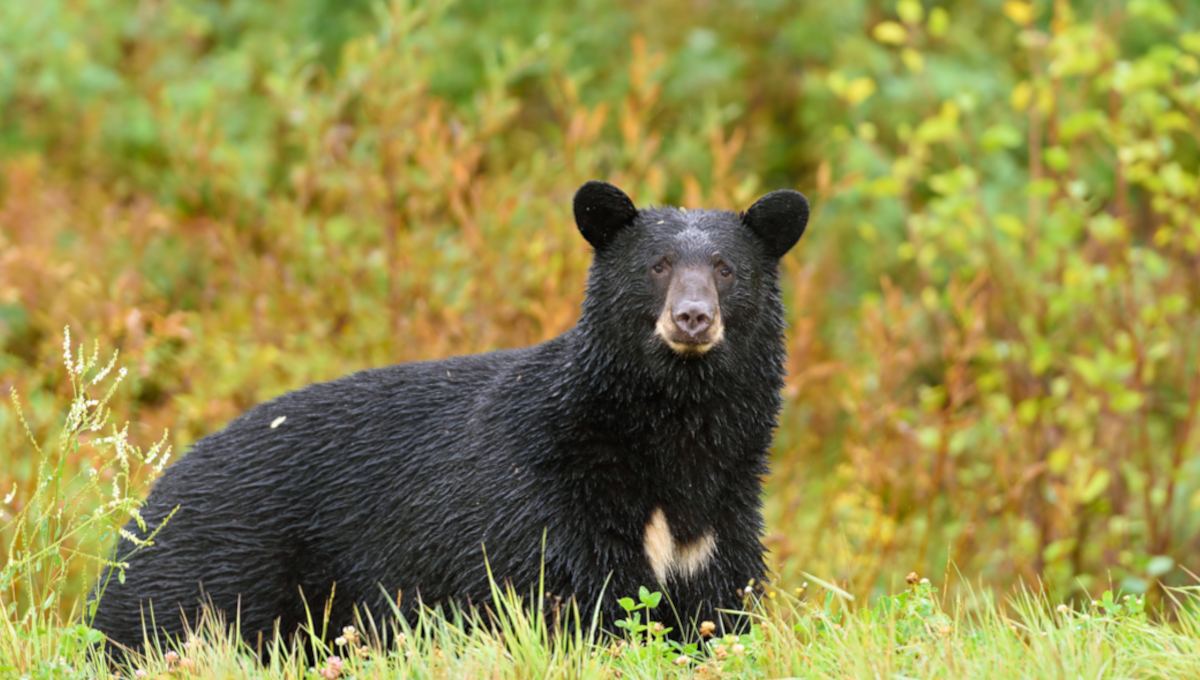
In an unusual outbreak of human trichinellosis in July 2022, six people from three states—Arizona, Minnesota, and South Dakota—were diagnosed with the parasitic disease after consuming bear meat at a family gathering in South Dakota. The Centers for Disease Control and Prevention (CDC) recently confirmed the outbreak, emphasizing the importance of proper cooking and food safety measures to prevent such infections.
Investigation and findings
The Minnesota Department of Health was alerted to the situation in July 2022 when a 29-year-old man was hospitalized with symptoms consistent with trichinellosis: fever, severe muscle pain, periorbital edema, and eosinophilia. The patient had a history of consuming bear meat, which led to a broader investigation.
Public health authorities from Arizona, Minnesota and South Dakota conducted interviews and collected blood samples from the meal attendees. Testing confirmed six cases of trichinellosis—two confirmed through positive Trichinella immunoglobulin G (IgG) antibody tests and four probable based on symptoms and exposure.
Laboratory analysis of the remaining bear meat revealed motile Trichinella larvae, specifically the freeze-resistant species Trichinella nativa, even after more than 15 weeks of freezing. This finding underscores the resilience of certain Trichinella species to freezing and the need for thorough cooking to ensure safety.
Public health implications
Trichinellosis, caused by the Trichinella spp. nematode, is a zoonotic disease typically contracted through consuming undercooked meat from infected animals. In the United States, trichinellosis is rare, with most cases linked to wild game rather than commercially farmed pork, thanks to improved farming practices.
This outbreak highlights the critical need for proper food handling and cooking practices, particularly when dealing with wild game. The CDC recommends cooking all meat, including game, to an internal temperature of at least 165 degrees Fahrenheit (74 degrees Celcius) to kill Trichinella parasites. Visual inspection of meat is not a reliable method for assessing doneness, as demonstrated in this incident where the bear meat’s dark color led to undercooking.
The full CDC report can be found here.
About Trichinellosis
Trichinellosis can cause a range of symptoms, starting with gastrointestinal issues such as nausea, diarrhea, and abdominal discomfort, progressing to systemic symptoms like headache, fever, muscle pain, and swelling of the face and eyes. Severe cases can lead to complications affecting coordination, breathing, and even heart function.
The risk of trichinellosis is low in the U.S., with approximately 15 cases reported annually. Most infections occur from consuming undercooked or raw wild game meat, including bear, wild boar, and walrus.
Prevention and safety tips
To prevent trichinellosis, the CDC advises:
- Cooking meat thoroughly: Use a food thermometer to ensure an internal temperature of 165 degrees F (74 degrees C).
- Avoiding raw or undercooked meat: Do not sample meat before it is fully cooked.
- Practicing good hygiene: Wash hands with soap and warm water before and after handling raw meat.
- Preventing cross-contamination: Keep raw meat separate from other foods, and thoroughly clean cooking utensils and surfaces.
Freezing is generally not effective against Trichinella species found in wild game. Traditional methods like curing, drying, smoking, or microwaving also do not consistently kill the parasite.
For more information on trichinellosis, visit the CDC’s website.
(To sign up for a free subscription to Food Safety News, click here.)