

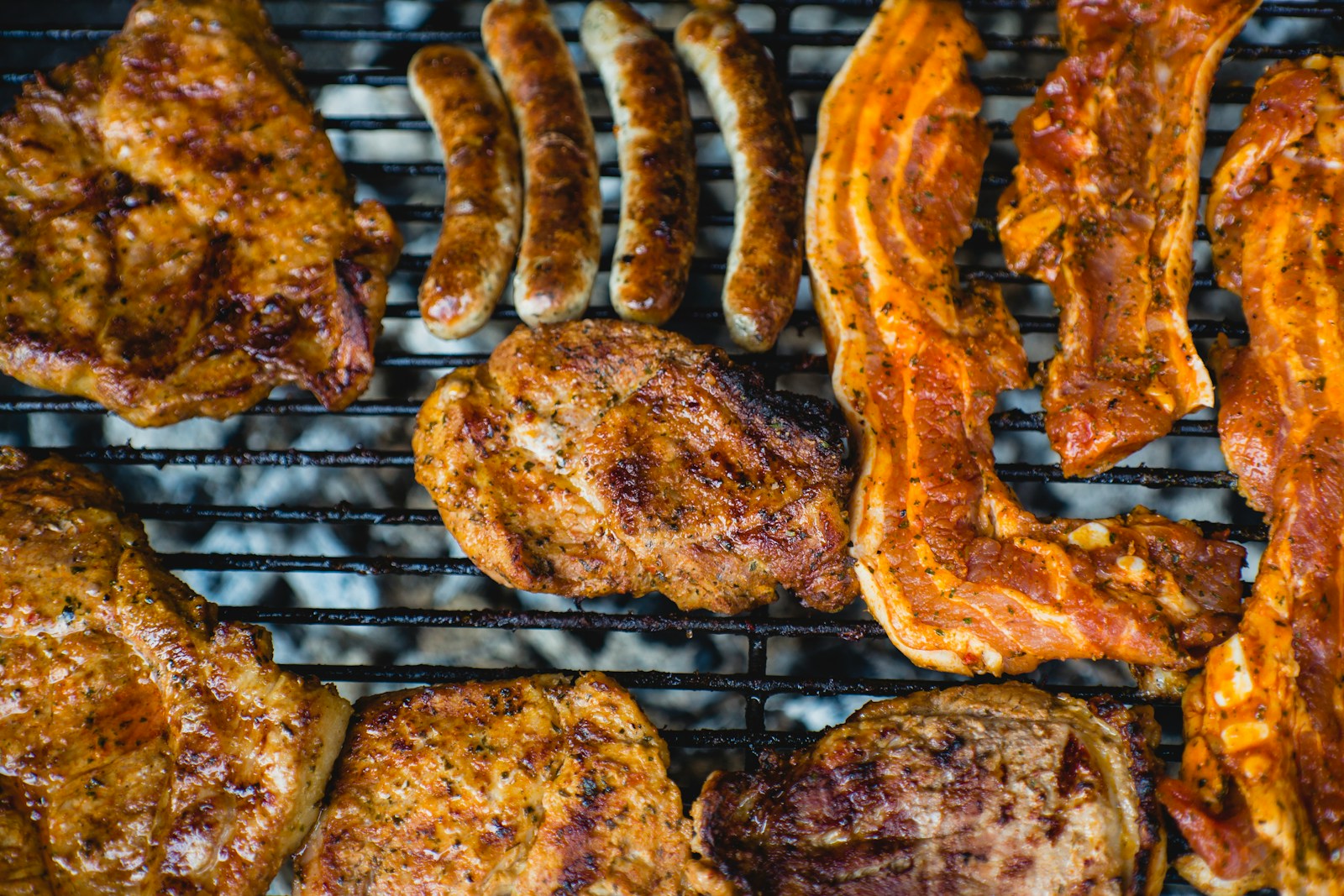
Imagine this: you’ve got a weekend BBQ lined up with friends, and you’re ready to impress with mouthwatering steaks and chicken wings. You head to the supermarket, excited to pick the best cuts, but as you browse the meat and poultry section, you’re hit with a wave of labels: “Raised Without Antibiotics,” “Grass-Fed,” “Free-Range,” “Raised using Regenerative Agriculture Practices.” Suddenly, you’re left wondering—what do these claims actually mean?
It’s easy to feel overwhelmed by the flood of options and buzzwords plastered across the packaging. In the back of your mind, you might even wonder if these labels are just clever marketing tools to hike up prices. Are they regulated? And most importantly, how do you make an informed choice so you can serve your friends the best meal possible?
Thanks to the U.S. Department of Agriculture (USDA), you can now be better informed about the animal-raising and environment-related claims you see on the meat and poultry packaging at the store. The USDA’s recently released updated guidelines—its first since 2019— clarify the requirements for substantiating these claims to prevent misleading consumers.
The Role of FSIS in Label Accuracy
As part of the USDA, the Food Safety and Inspection Service (FSIS) ensure that meat and poultry labels are accurate and that special claims meet regulatory standards before they reach consumers.
Federal establishments must use labels that are truthful, non-misleading, and comply with the Federal Meat Inspection Act, the Poultry Products Inspection Act, and FSIS regulations. Labels with special claims require approval from FSIS’s Labeling and Program Delivery Staff (LPDS) before they can be used in commerce (9 CFR 412.1).
To gain approval, label claims undergo a review process, backed by substantial documentation. However, given FSIS’s limited jurisdiction, it often relies on—and encourages—the use of third-party certifications to verify animal-raising or environmental claims. The guidelines make it clear that these certification programs should be independent from the entities seeking certification, adhere to credible and reliable standards, conduct regular audits, and have the resources to ensure ongoing compliance with their certification requirements.
Here’s how the process works:
- Approval: The LPDS reviews documentation to ensure claims are accurate and not misleading. This includes a description of the claim, the controls in place to validate it from birth to slaughter (or the relevant period), product tracing details, and third-party certification paperwork.
- Ongoing Checks: FSIS inspectors conduct regular facility visits to verify ongoing compliance with labeling requirements and ensure establishments continue to uphold approved claims.
Types of Claims and Their Requirements
- Animal Welfare Claims: Terms like “Humanely Raised” or “Ethically Raised” describe how animals are treated. FSIS requires these claims to include a clear definition or direct consumers to a website with details. Third-party certification is recommended to support these claims.
- Breed Claims: Labels specifying breeds, such as Angus beef, must be backed by third-party certification. Required documentation includes breed verification and traceability information.
- Diet Claims: Claims like “Grass-Fed” describe an animal’s diet. Documentation must confirm that the diet was followed throughout the animal’s life, except for milk before weaning. Third-party certification is recommended for accuracy.
- Living Conditions: Claims like “Pasture-Raised” describe the animal’s housing conditions. FSIS requires either a definition of the standards or a reference to a website providing details. Third-party certification is encouraged.
- Antibiotics and Hormones: Claims like “Raised Without Antibiotics” or “No Added Hormones” indicate specific practices around medication and hormone use. FSIS suggests detailed documentation and third-party certification for these claims.
- Source or Traceability: Claims that trace an animal from farm to slaughter require strong traceability controls and supporting documentation. Certification may be required.
- Organic and Environmental Claims: The USDA organic label mandates certification and annual inspections. Environmental claims, such as “Sustainably Farmed,” need substantiation through environmental data and third-party certification.
Why It Matters
Understanding these labels helps you make choices that align with your values—whether you’re focusing on animal welfare, sustainability, or quality. The USDA’s updated guidance and approval process ensures that these labels reflect genuine practices, providing you with trustworthy information.
Next time you shop for meat and poultry, you’ll be equipped to make informed decisions. Your BBQ will be a hit, not only for the taste but for the thoughtful choices behind every bite.