

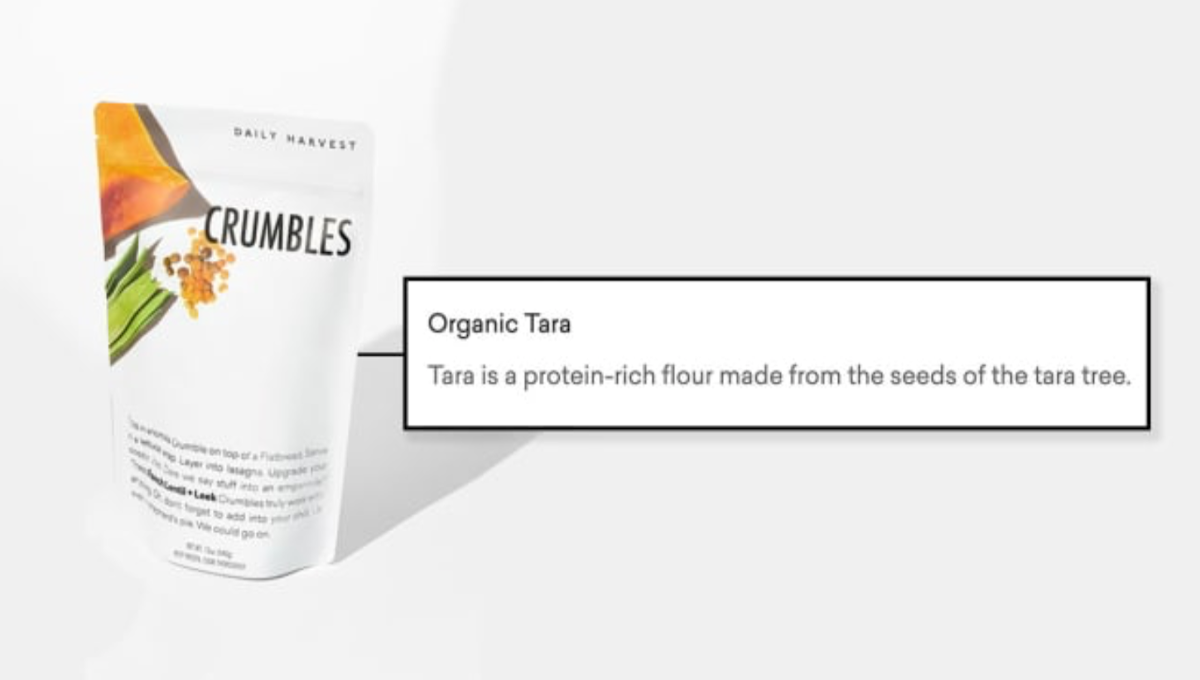
A new study published in the Journal of Food Protection reveals that an unexplained outbreak of gastrointestinal and liver illnesses in 2022 was linked to a subscription meal service product containing tara flour, an ingredient with limited safety data. The investigation emphasizes the potential dangers of introducing novel ingredients into the food supply without thorough testing.
Researchers from the University of Minnesota examined data from 338 individuals, 31 percent of whom were hospitalized, following their consumption of Daily Harvest’s French Lentil and Leek Crumbles. Symptoms included fatigue, nausea, jaundice and elevated liver enzymes, with severe cases requiring cholecystectomy or other medical interventions. The U.S. Food and Drug Administration (FDA) ultimately identified tara flour as the likely source of illness, leading to a recall of the product.
The investigation
The researchers utilized data from legal cases, sales receipts and consumer surveys to establish a strong association between the consumption of the Lentil and Leek Crumbles and the illnesses. Attack rates — a measure of the proportion of individuals affected — increased with greater product consumption. Minimal attack rates for the crumbles reached 1.4 percent, significantly higher than rates for other products.
Notably, illnesses were confined to the Lentil and Leek Crumbles, which exclusively contained tara flour. The ingredient, derived from the seeds of the South American tara tree (Caesalpinia spinosa), has been used in food products because of its high protein content. While tara gum, a by-product, is considered safe, the safety of tara flour remains unverified.
Growing demand, emerging risks
The study places the outbreak in the context of rising consumer demand for plant-based proteins and subscription meal services. Plant-based food sales grew by 6.6 percent in 2022, driven by health and environmental concerns. Subscription meal kits and mail-order food services have also surged, now accounting for 9 percent of the U.S. food market.
This growth has created opportunities for innovation but also heightened food safety risks. Daily Harvest’s recall in June 2022 came after the FDA received 393 adverse event reports, including 133 hospitalizations spanning 39 states. Additional cases linked to tara flour surfaced in products from Revive Superfoods, prompting the company to pull its Mango and Pineapple Smoothie from the market.
Regulatory challenges
The outbreak raises questions about the FDA’s oversight of new food ingredients. Tara flour was introduced to the U.S. market under the “Generally Recognized as Safe” (GRAS) framework, which allows companies to self-certify ingredient safety without FDA approval. A subsequent FDA review found no evidence supporting tara flour’s safety, leading to its disqualification as a food additive in 2024.
While the study acknowledges limitations, including reliance on data from lawsuit participants, it emphasizes the value of nontraditional sources in identifying foodborne illnesses. The researchers call for more robust monitoring systems and research to understand how novel ingredients affect human health.
The full study can be found here.
(To sign up for a free subscription to Food Safety News, click here.)