

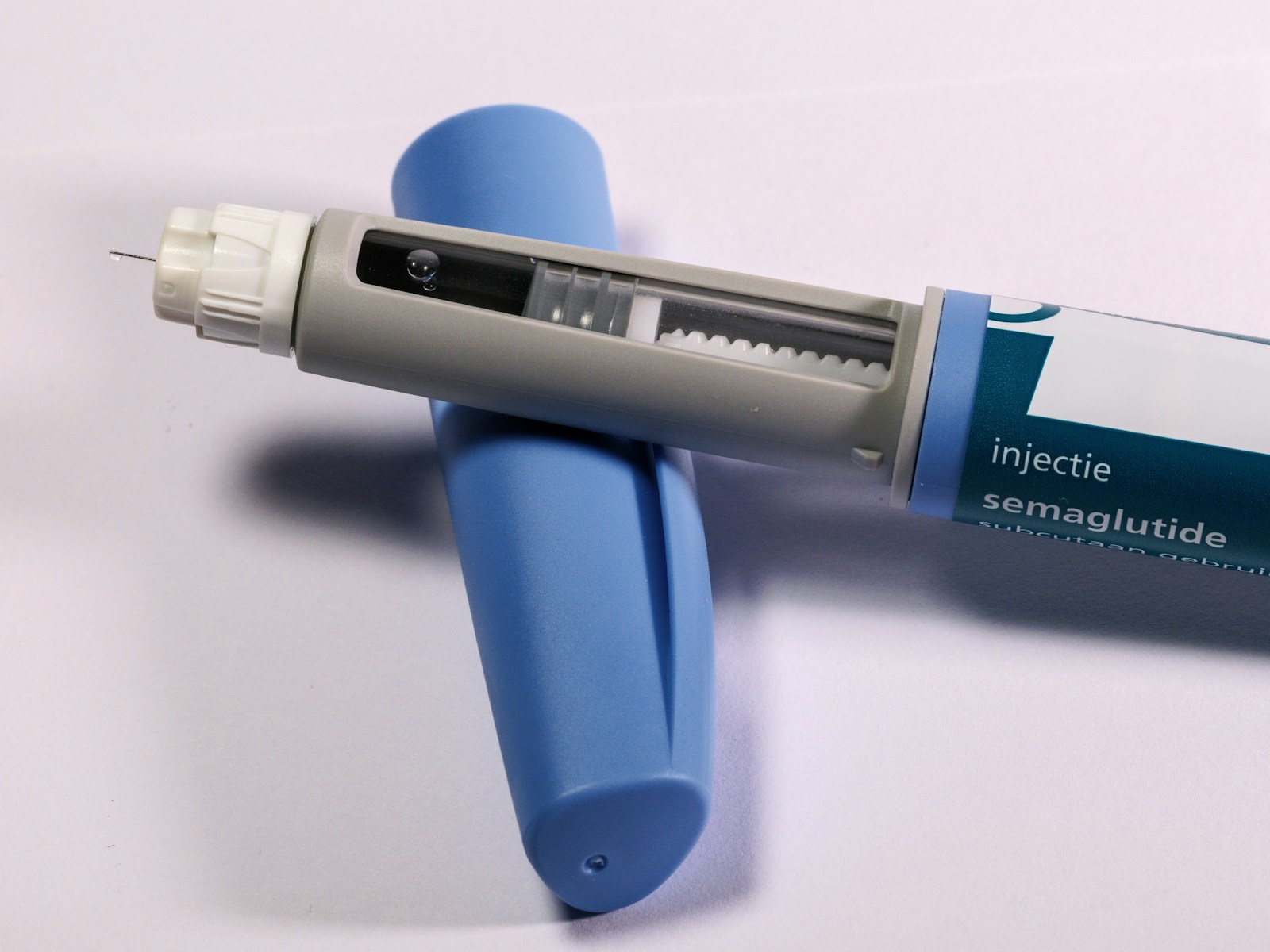
GLP-1 medications have quickly become a significant cost driver in employer-sponsored health plans, with annual per-participant costs frequently exceeding $10,000 and utilization rates continuing to rise. The GLP-1 landscape continues to change (for example, in December 2025, the U.S. Food and Drug Administration (FDA) approved a daily pill form of GLP-1). Consequently, plan sponsors are wrestling with managing GLP-1 benefits in a way that is financially sustainable, legally defensible, and sensitive to participants’ healthcare needs.
Coverage Strategies
In group health plans that currently cover GLP-1s, many plan sponsors are narrowing GLP-1 coverage, while some are even eliminating coverage altogether. There is no explicit mandate under federal law or most state laws for employer-sponsored group health plans to cover GLP-1s, but that does not mean narrowing or eliminating coverage of GLP-1s is entirely without risk, particularly if participants do not receive clear, timely communications or have a perception that applicable standards are not being applied equally or fairly. Plan sponsors choosing to limit coverage may, for example, tie such limits to specific FDA-approved indicators, such as type 2 diabetes and/or obesity-based BMI thresholds (e.g., BMI ≥ 30, or BMI ≥ 27 with one or more comorbidities). Although this approach can reduce utilization and provide clearer guardrails, it is critical that the criteria are consistently applied and the restrictions on coverage are adequately documented and communicated to participants.
FSAs and HRAs as a Strategic Design Tool
Employers may also consider whether account-based arrangements can serve as a controlled alternative pathway for GLP-1 expenses. Specifically, employers may offer either or both Health Flexible Spending Accounts (health FSAs) and Health Reimbursement Arrangements (HRAs), both of which are types of tax-advantaged accounts. These arrangements can provide some financial support for GLP-1 medications without embedding GLP-1 coverage as a core benefit in the employer’s major medical plan and may be structured to provide more predictable employer cost exposure.
Both health FSAs and HRAs are types of group health plans; therefore, to comply with Affordable Care Act requirements, they generally must either be integrated with an employer’s major medical coverage or meet the requirements to constitute excepted benefits. Additionally, both types of arrangements must satisfy applicable nondiscrimination testing requirements under the Internal Revenue Code to maintain their tax-advantaged status (these tests are designed to ensure that highly compensated employees do not receive better benefits or disproportionately more benefits than non-highly compensated employees).
Health FSAs may be funded by employees’ pre-tax salary reductions (up to $3,400 in 2026) and optional employer contributions (up to $500 in 2026 if an employer chooses to contribute). Health FSAs are used to pay for eligible medical expenses, which may include GLP-1 medications prescribed to treat a medical condition, subject to substantiation requirements. The full amount of an employee’s elected health FSA amount must be available to the employee as of the first day of the plan year; however, given the applicable annual limits under the Internal Revenue Code, a health FSA will not fully cover the cost of a participant’s GLP-1 medication for the year.
HRAs are employer-funded arrangements (no employee contributions at all), which have additional design flexibility that health FSAs do not have. For example, an employer may choose to implement a targeted HRA, the sole purpose of which is to pay for GLP-1 medications. HRAs may also be designed to provide a specified monthly benefit amount (unlike a health FSA). An excepted benefit HRA may provide up to $2,200 of newly available benefits in 2026; an integrated HRA is not subject to an annual limit under the Internal Revenue Code (though, as a practical matter, employers will generally want to impose maximum benefit limits for cost control and other reasons).
Employers considering an account-based approach to GLP-1s should carefully review how health FSA and HRA terms interact with the major medical group coverage and ensure that the governing plan documents, administrative processes, and participant-facing communications clearly reflect the intended design.
Alternative Approaches
Some employers may wish to explore alternatives that sit squarely outside the group health plan context.
Direct-to-Consumer Telehealth
Cash-pay models through platforms such as Ro and Hims & Hers Health, along with manufacturer-linked pathways such as Novo Nordisk, have expanded lower-cost access to GLP-1s outside insurance and employer-sponsored plans. For example, Novo Nordisk offers a subscription for oral Wegovy GLP-1 medication beginning at $149/month and rising to $299/month at the higher-dosage level. Just a couple of years ago, it would have been an impossibility to find such a “cheap” direct-to-consumer GLP-1 offering. In light of the availability of (relatively) low-cost options, plan sponsors may weigh eliminating GLP-1 coverage from their group health plans differently than perhaps they would have before.
Opt-In Weight Management Programs
Employers may also contract with vendor programs focused on nutrition, behavioral coaching, and lifestyle modification as support for participants who are seeking to manage their weight and/or type 2 diabetes, rather than providing any coverage for GLP-1 medications.
Why GLP-1 Decisions Require Careful Implementation
Whatever option is chosen, employer plan sponsors must remain cognizant that GLP-1 coverage changes present elevated risks if not carefully implemented and clearly communicated. To reduce risk, plan sponsors should ensure:
- Prospective plan amendments clearly reflect any change in GLP-1 coverage terms.
- Notice is provided to participants in a timely manner via a revised Summary Plan Description (SPD) or a Summary of Material Modifications (SMM), and also in benefit guides and enrollment materials.
- Operational alignment with plan terms, particularly with respect to any prior authorization and eligibility criteria.
- Consistent application of coverage rules across similarly situated participants.
- Internal documentation supporting any decision to expand, narrow, add, or eliminate GLP-1 coverage, which may include but is not limited to information about cost trends, utilization data, input from the plan’s pharmacy benefit manager or claims administrator, and clinical considerations.
Inconsistent administration, informal exceptions, or mid-year operational shifts not supported by plan documentation can undermine the defensibility of an employer’s plan design decision.
As always, employers should consult with experienced benefits counsel to confirm compliance with applicable laws and regulations. Akerman’s Employee Benefits team is available to assist if you have questions.