


On July 23, 2026, Governor Mikie Sherrill signed the Fair Price Protection Act, P.L.2026, c.65 (A4085/4523), into law, making New Jersey one of the first states in the nation to prohibit the use of consumers’ personal data to set individualized prices for certain products. This bill will take effect on August 1, 2027 — although a moratorium on electronic shelf labeling takes effect on February 1, 2027.
Link to Background Background
Several states recently have enacted laws regulating the use of artificial intelligence and other technologies to establish prices. These laws vary widely in their scope, with some mandating disclosure when certain technologies are used to establish prices, others addressing competitors sharing price-related information through technology, and still others outright prohibiting certain pricing technologies.
Policymakers use different labels for these pricing practices, including dynamic pricing, algorithmic pricing, personalized pricing, and surveillance pricing. The same terms may have different meanings under different state laws.
Some of the most recent legislation in this area has banned or significantly restricted the use of consumers’ personal data to establish prices for groceries and related products (for example, by using technology to predict how much a particular consumer will pay).
With the governor’s recent approval of the Fair Price Protection Act, New Jersey joins Maryland and Connecticut as states that have enacted laws prohibiting certain personalized-pricing practices in connection with the sale of specific goods. New York has also passed a surveillance pricing ban awaiting the governor’s signature.
Dozens of bills addressing these topics are pending in legislatures across the U.S.
Link to New Jersey’s ‘Surveillance Pricing’ Ban New Jersey’s ‘Surveillance Pricing’ Ban
New Jersey’s Fair Price Protection Act makes it an unlawful practice for any person to use “surveillance pricing” — or any other pricing strategy that determines or varies the sale price of groceries and other foodstuffs based, in whole or in part, on personal data.
Violations of this prohibition are deemed violations of the New Jersey Consumer Fraud Act (NJCFA), which is enforceable both by private litigants and by the New Jersey attorney general (AG). Treble damages, attorneys’ fees and costs, and other relief may be available in private litigation. In addition to other forms of relief, the AG may seek civil penalties in the amount of $10,000 for the first violation or $20,000 for each subsequent violation.
The statute defines “surveillance pricing” to mean an action (including a pricing strategy) in which the price of groceries and other foodstuffs is, in whole or in part, determined, adjusted, optimized, or recommended by an algorithm or automated system based, in whole or in part, on using personal data (including data derived or inferred from other data) and that results in price variation for individual consumers or groups of consumers. The definition goes on to state that “surveillance pricing” shall “include the pricing of groceries and other foodstuffs based on data collected through electronic surveillance technology, which involves the use of technological methods, systems, or tools including, but not limited to, sensors, cameras, device tracking, biometric monitoring, and other forms of observation or data collection capable of gathering information about a consumer’s behavior, characteristics, location, or other personal attributes, whether in a physical or digital environment.”
“Groceries and other foodstuffs” is defined to cover products that may not conventionally be considered either groceries or food. Specifically, the term means “dairy products, meat and delicatessen products, produce products, seafood products, carbonated beverages, coffee and other beverages, snack foods, candy products, baked products, paper products, household cleaning items, health and beauty products, frozen foods, pet foods and supplies, and any other edible product not previously listed”; however, food and beverages prepared for immediate consumption on or off premises of a food service establishment are exempt.
For purposes of this statute, “personal data” is any information that is linked or is reasonably linkable to an identified or identifiable consumer.
The law includes several exceptions to its ban on surveillance and other forms of personalized pricing. Among them are exceptions allowing differential pricing based on the costs of providing products to different consumers, bona fide discounts, and loyalty programs. However, another provision of the act states that if anyone employs personal data to offer differential pricing pursuant to one of these exceptions, “that personal data shall not be used for any other purpose without the consumer’s consent.”
Another exception covers establishments primarily engaged in the preparation and sale of food or beverages for immediate consumption, whether or not particular items are consumed on or off the premises.
The New Jersey Division of Consumer Affairs has authority to adopt rules and regulations implementing the law.
Link to Electronic Shelf Label Moratorium and Study Electronic Shelf Label Moratorium and Study
In addition to its ban on surveillance and other forms of personalized pricing, New Jersey’s Fair Price Protection Act includes a first-in-the-nation regulation of electronic shelf labels. Specifically, the law imposes a one-year moratorium on the “new use” of electronic shelf labels in New Jersey. During this period, the New Jersey Innovation Authority, in consultation with the Division of Consumer Affairs, must conduct a study examining the effects electronic shelf labels may have and how electronic shelf labels impact surveillance pricing. After the moratorium, new use of electronic shelf labels will again be permitted, in the absence of any new laws or regulations, but the electronic shelf labels must comply with applicable laws and regulations.
The act defines “electronic shelf label” as an electronic display that presents product and pricing information, “including, but not limited to, labels that are visible to the consumer only after the consumer has scanned a quick-response (QR) code, barcode, or other code.” Although legislators may have intended this definition to apply only to shelf price labels at brick-and-mortar stores, the definition does not make that limitation explicit, raising questions for companies engaged in e-commerce.
Link to Industry Considerations Industry Considerations
While public coverage has focused on grocery stores, two aspects of the statute merit close attention from businesses across sectors.
Covered Products Extend Well Beyond Traditional Grocery Retailers
- Despite media framing as a “grocery store” law, the statute’s operative term — “groceries and other foodstuffs” — includes paper products, household cleaning items, and health and beauty products.
- The law applies to any “person” that sells covered products, not solely businesses classified as grocery stores.
- Nongrocery retailers — office supply stores, pharmacies, convenience stores, big-box retailers — could be subject to the act if they sell covered items and use personalized pricing.
A Window of Opportunity Before the Electronic Shelf Label Moratorium Begins
- The moratorium on the “new use” of electronic shelf labels begins in February 2027. Companies evaluating whether to use electronic shelf labels in New Jersey should consider deploying electronic shelf labels before the moratorium begins so that their use of electronic shelf labels is not considered “new.”
Link to Why It Matters Why It Matters
The Fair Price Protection Act represents a significant expansion of state-level regulation of data-driven pricing. Companies operating in New Jersey’s grocery and retail food sectors should take the necessary steps to adhere to the legislation before the August 1, 2027, effective date, which may include:
- Auditing pricing algorithms to identify if they are implicated by the legislation;
- Reviewing data collection and use practices;
- Evaluating loyalty and promotional programs to confirm they satisfy the act’s carve-out requirements; and
- Assessing electronic shelf label deployment plans in light of the one-year moratorium on new installations.
Because New Jersey’s legislation is part of a broader national trend, retailers should continue to monitor legislative developments in this area so that their compliance programs can keep up with new state laws.
Troutman Pepper Locke State Attorneys General Team
 |
Ashley Taylor – Co-leader and Firm Vice Chair Ashley is co-leader of the firm’s nationally ranked State Attorneys General practice, vice chair of the firm, and a partner in its Regulatory Investigations, Strategy + Enforcement (RISE) Practice Group. He helps his clients navigate the complexities involved with multistate attorneys general investigations and enforcement actions, federal agency actions, and accompanying litigation. |
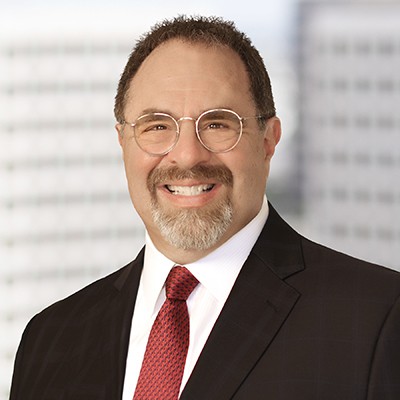 |
Clay Friedman – Co-leader Clay co-leads the firm’s State Attorneys General practice and is nationally ranked by Chambers USA for AG Government Relations and in Best Lawyers for Advertising Law. He has dedicated his entire career to state attorney general and federal work, serving for nearly a decade in a senior role and more than 25+ years in private practice. Clay focuses his practice on helping industry-leading companies mitigate the risks associated with state and federal regulatory investigations and associated litigation. |
 |
Chris Carlson Chris advises clients on regulatory, civil, and criminal investigations and litigation. With a background as an assistant attorney general, he provides practical guidance to clients with matters involving state attorneys general and federal regulatory agencies. |
 |
Lauren Fincher Lauren has vast experience handling state attorneys general investigations, navigating complex regulatory compliance matters, and providing strategic counsel in enforcement actions across various industries. She helps clients manage high-stakes regulatory matters and guides them through complex legal landscapes. |
 |
Stephen Piepgrass Stephen leads the firm’s Regulatory Investigations, Strategy + Enforcement (RISE) Practice Group, representing clients in single and multistate enforcement actions, including inquiries and investigations involving state attorneys general and other state and federal governmental enforcement bodies including the CFPB and FTC. He regularly represents clients in highly regulated sectors such as financial services, emerging technologies, health care, insurance, and education. |
 |
Michael Yaghi Mike handles high-profile investigations led by state attorneys general, the FTC, and other federal and state regulatory bodies. He assists clients through these complex government inquiries, assisting them throughout the entire life cycle of investigations, from regulatory enforcement through formal litigation. |
 |
Matthew J. Berns Drawing on his experience in senior leadership roles in the New Jersey Attorney General’s and Governor’s Offices and as a trial attorney for the U.S. Department of Justice, Matt provides an insider’s perspective when guiding clients through complex government investigations, litigation, and other actions. |
 |
Jeff Johnson Jeff helps clients navigate complex regulatory and litigation challenges with local, state, and federal authorities. His clients benefit from his decade of broad litigation experience, understanding of emerging state and federal regulatory issues, and strong relationships with attorneys general across the U.S. In addition to handling cases from trial through state or federal appeals, Jeff serves as amicus counsel in advancing legal rules to support his clients’ vital interests. |
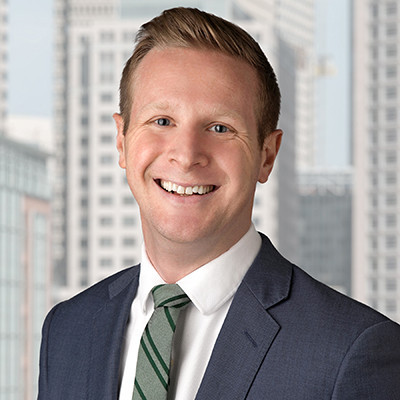 |
Jay Myers Jay assists clients in heavily regulated industries, including health care, energy, insurance, emerging industries, and data privacy. He provides both regulatory legal advice and government relations strategies. Jay’s past and current clients include Fortune 10 companies, startups, nonprofits, industry associations, and advocacy groups. Recognizing that state government matters are often complex and multifaceted, he utilizes regulatory guidance, government advocacy, or both in tandem to deliver tailored solutions for each client’s unique needs. |
 |
Zoe Schloss Zoe represents clients in litigation and government investigations. As former deputy attorney general for the Delaware Department of Justice, she is an experienced litigator who understands the enforcement priorities that impact her clients. Zoe works with individuals and corporate entities in highly regulated industries, including financial services, health care, and energy. |
 |
Jessica Birdsong Jessica is an associate in the firm’s Regulatory Investigations, Strategy + Enforcement Practice Group. She received her J.D. from the University of Richmond School of Law, magna cum laude, where she served as associate articles editor of the Journal of Law & Technology. |
 |
Sydney Goldberg Sydney is an associate in the firm’s Regulatory Investigations, Strategy + Enforcement (RISE) Practice Group. She advises clients on regulatory compliance and state attorney general (AG) investigations in highly regulated industries, including health care and life sciences. She routinely helps clients navigate alcohol compliance and licensing issues, helping proactively manage regulatory risk. |
 |
Troy Homesley Troy is an accomplished litigator who has represented and defended clients across a wide range of complex, high-stakes disputes at both the trial and appellate levels. He has represented technology companies, business executives, law firms, investment funds, high-ranking federal officials, international non-profits, and asylum seekers. Troy draws on his broad litigation experience to advise clients before litigation arises, while claims are pending or threatened, and leading up to and through trial and appeals. |
 |
Namrata Kang Namrata (Nam) is an associate in the firm’s Regulatory Investigations, Strategy + Enforcement (RISE) Practice Group, based in the Washington, D.C. office. She routinely advises clients on a wide variety of state and federal regulatory matters, with a particular emphasis on state consumer protection laws relating to consumer financial services and marketing and advertising. Nam’s experience transcends multiple industries, including financial services, telecommunications, media, and sports betting. |
 |
Michael Lafleur Michael is an associate in the firm’s Regulatory Investigations, Strategy, and Enforcement Practice Group. Based out of the firm’s Boston office, Mike has deep experience in litigation, investigations, and other regulatory matters involving state-level regulators and state attorneys general. |
 |
William LaRosa Bill represents clients in complex regulatory investigations, state attorneys general matters, and enforcement proceedings. He draws on his experience as a former assistant U.S. attorney and as a private-sector litigator advising corporations in high-stakes litigation and regulatory investigations, including multistate AG investigations. |
 |
Lane Page Lane represents financial institutions and other clients in federal and state regulatory investigations and complex civil litigation. He is particularly focused on consumer protection and fair lending issues. |
 |
Dascher Pasco Dascher provides strategic counsel and representation to clients navigating regulatory compliance, enforcement, and high-stakes litigation. She regularly represents clients in both single and multistate state attorney general (AG) investigations and enforcement actions, as well as before other state enforcement bodies and local government agencies. |
 |
Kyara Rivera Rivera Kyara is an associate in the firm’s Regulatory Investigations, Strategy + Enforcement Practice Group. She received her J.D. from the University of Richmond School of Law, cum laude, where she served as publications and online editor of the Public Interest Law Review. |
 |
Timothy Shyu Timothy advises clients on regulatory compliance and enforcement in highly regulated industries, including health care and life sciences, data privacy and cybersecurity, and emerging technology. He assists companies in navigating complex investigations and enforcement actions, helping them mitigate regulatory risk proactively. |
 |
Trey Smith Trey focuses his practice on representing and advising regulated utilities before state public utility commissions. He routinely helps clients obtain certificates of public convenience and necessity for transmission infrastructure. In this role, Trey works with his clients’ subject-matter experts to manage administrative proceedings, including by preparing initial filings; responding to discovery requests; drafting rebuttal testimony; and litigating any disputed issues. |
 |
Daniel Waltz Dan helps clients navigate all aspects highly regulated relationships between industry participants and federal, state and local governments. Whether engaging with regulators, negotiating transactions or representing clients in the courtroom, he delivers solutions that help his clients achieve their strategic goals. |
 |
Stephanie Kozol Stephanie is Troutman Pepper Locke’s senior government relations manager in the state attorneys general department. |