

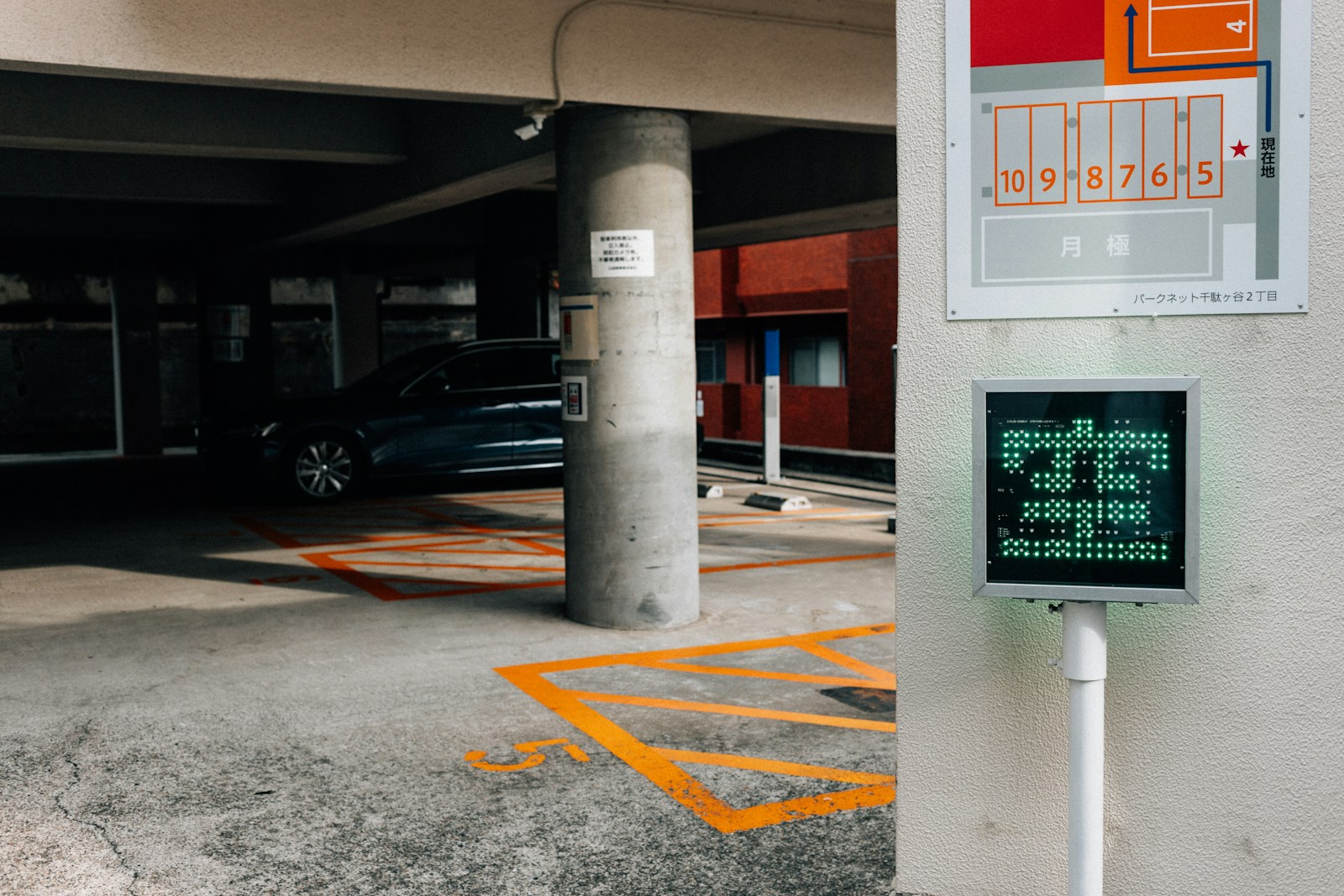
Senior United States District Judge William H. Orrick, sitting in the Northern District of California, denied a motion to dismiss last week in an Automated License Plate Recognition (“ALPR”) matter, McGinty v. Reimagined Parking LLC, d/b/a Imperial Parking.[1] Judge Orrick held that the plaintiff plausibly alleged actionable harm based on his “right to know” about the use of ALPR systems in two garages. The order follows Bartholomew v. Parking Concepts, Inc.[2] and the guidance of Mata v. Digital Recognition Network, Inc.,[3] concluding that the California Supreme Court would likely recognize violation of a consumer’s “right to know” as actionable harm under California’s ALPR law if presented with the question.
The decision is significant because it marks the first time a federal judge adopted the state-court trajectory created in Bartholomew and Mata. Bartholomew treated the alleged failure to make required ALPR disclosures in an ALPR Privacy Policy as an actionable injury to a consumer’s right to know under the law. Though Mata did not deal with the failure to present an ALPR Privacy Policy, the decision in Mata did offer further guidance on how courts should analyze asserted ALPR harms.
While the decision is limited to addressing the pleading requirements in ALPR cases, the order seemingly strengthens the argument that inadequate ALPR transparency can be enough to survive early dismissal. For defendants, the decision underscores that transparent, accessible ALPR Privacy Policies are the first line of defense to such cases.
Companies should promptly inventory whether ALPR systems are present, determine whether they function as an operator, end-user, or both, and confirm that public-facing ALPR policies are posted, current, and aligned with actual practices. They should also preserve and review contracts with technology vendors such as parking equipment providers, document who controls collection, storage, access, retention, and sharing of plate data, and maintain evidence showing how consumers are informed about ALPR use. Moving forward, the best defense will be a compliance record that is ready before litigation begins: clear disclosures, consistent implementation, vendor oversight, security controls, retention limits, and documentation sufficient to support factual defenses.
[1] No. 26-CV-02760-WHO, 2026 WL 2322918 (N.D. Cal. Aug. 5, 2026).
[2] 118 Cal. App. 5th 438 (2026), as modified on denial of reh’g (Feb. 27, 2026), review denied (May 13, 2026).
[3] No. D084781, 2026 WL 2085579 (Cal. Ct. App. July 20, 2026).