

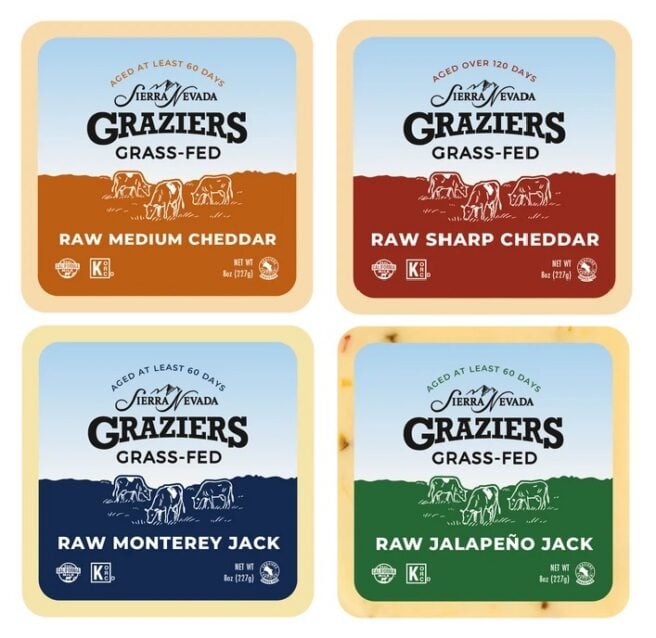
The CDC and FDA announced on September 25, 2026, that a multistate outbreak of Shiga toxin-producing E. coli O26:H11 infections has been linked to Graziers grass-fed raw milk cheese made by Sierra Nevada Cheese Company of Willows, California. Thirteen people are sick: three each in California and Nevada, and one each in Colorado, Georgia, Kentucky, Michigan, Oregon, Tennessee and Utah. Eight have been hospitalized, three have developed hemolytic uremic syndrome (HUS), a type of kidney failure, and no one has died. More than half of the sick are children age 5 or younger. All four Graziers raw milk cheeses — medium cheddar, sharp cheddar, jalapeño jack and Monterey jack — were recalled on September 24. They were sold nationwide in stores and online, and they have a long shelf life, so check your refrigerator and freezer.
The outbreak by the numbers
- 13 confirmed illnesses in nine states as of CDC’s September 25 update: California (3), Nevada (3), Colorado (1), Georgia (1), Kentucky (1), Michigan (1), Oregon (1), Tennessee (1) and Utah (1).
- 8 hospitalized (62 percent of those with information available), 3 with HUS, 0 deaths.
- Ages 1 to 58, median age 5. More than half are age 5 or younger.
- Illnesses began between July 7 and August 26, 2026 — six in July and seven in August.
- Two of California’s three cases are San Diego County children under 5, according to county health officials.
CDC says the true number of sick people is likely much higher than 13, because many people are never tested and it usually takes three to four weeks to link a sick person to an outbreak. The states listed are where sick people live, not necessarily where the cheese was bought.
What is recalled and what to do
The recall covers all Sierra Nevada Graziers grass-fed raw milk cheeses — medium cheddar, sharp cheddar, jalapeño jack and Monterey jack — in 8-ounce and 16-ounce retail packages and 5-pound food service loaves. There are no lot codes to check: if it is Graziers raw milk cheese, it is recalled. The labels say, “Aged at least 60 days” (“Aged over 120 days” on the sharp cheddar), which is the legal minimum for raw milk cheese, not a safety guarantee.
Symptoms of E. coli O26 and when to get help
Symptoms usually begin three to four days after eating contaminated food, and FDA says they can take up to nine days: severe stomach cramps, diarrhea that is often bloody, and vomiting. Call a doctor for bloody diarrhea, a fever above 102°F, diarrhea lasting more than two days, vomiting that keeps you from holding down liquids, or signs of dehydration. In young children watch for the signs of HUS — urinating less often, unusual tiredness, and losing the pink color in the cheeks and inside the lower eyelids — and go to the emergency room. Tell the doctor you may have eaten recalled raw milk cheese and ask for a stool culture; CDC does not recommend antibiotics for suspected Shiga toxin-producing E. coli infections. If the culture is positive, ask that the isolate be preserved, because sequencing it is what connects an illness to this outbreak.
Three questions about this outbreak
Does cooking or freezing the cheese make it safe?
No. Freezing does not kill E. coli, and FDA’s advice is to throw the cheese away, not cook it: the bacteria spread to hands, cutting boards and other foods before the cheese ever reaches a pan.
Can adults get HUS, or only children?
Adults can develop HUS; children under 5 and older adults are at the highest risk. The sick people in this outbreak range from 1 to 58, and anyone with bloody diarrhea after eating the cheese should see a doctor.
I ate the cheese weeks ago and feel fine. Am I in the clear?
Symptoms show up within nine days. If you ate it more than nine days ago and never got sick, that cheese did not infect you; if any is left, throw it away.
FAQ
What is E. coli?
E. coli O157:H7 is a Shiga toxin–producing strain of Escherichia coli that causes severe, sometimes life-threatening food poisoning. Most people develop painful stomach cramps and bloody diarrhea three to four days after exposure, and about 5 to 10 percent of victims—often young children—go on to develop hemolytic uremic syndrome (HUS), a form of acute kidney failure.
What foods cause E. coli outbreaks?
Ground beef, raw milk, leafy greens such as romaine and spinach, sprouts, unpasteurized juice, and raw flour have all been linked to E. coli O157:H7. Any food contaminated with even a trace of cattle feces can carry it.
What is HUS, and is it permanent?
Hemolytic uremic syndrome is the most common cause of acute kidney failure in young children. Many children recover, but some are left with lasting kidney damage, high blood pressure, or neurological injury and need lifelong monitoring.
Can I sue if I got E. coli from food?
If a contaminated food caused your infection, you may have a product-liability claim against the manufacturer, grower, or restaurant. The key questions are what you ate and whether your illness is genetically linked to a known outbreak strain.
How long do I have to file an E. coli lawsuit?
Filing deadlines (statutes of limitation) vary by state and by the type of injury, and they can run quickly. A free case evaluation is the fastest way to learn where you stand.
Additional Resources:
- About E. coli — a complete online resource on the symptoms and risks of E. coli infection
- About HUS — a complete online resource on hemolytic uremic syndrome and acute kidney failure
- Marler Clark E. coli Lawsuits and Litigation
- A downloadable Family Health Guide