

 The CDC announced that a total of 35 individuals infected with a matching strain of Salmonella Newport have been reported from 11 states since March 1, 2010. The number of ill people identified in each state with this strain is as follows: AZ (2), CA (17), CO (1), ID (5), IL (1), MO (1), NM (1), NV (2), OR (2), PA (1), and WI (2). Case-patients range in age from <1 to 75 years old, and the median age is 36 years. Sixty-six percent of patients are female. Among the 30 patients with available hospitalization information, 7 (23%) were hospitalized. No deaths have been reported.
J.H. Caldwell and Sons Inc. of Maywood, CA, recalled several brands of alfalfa sprouts distributed to wholesale distributors, restaurants, delicatessens, and grocery stores.
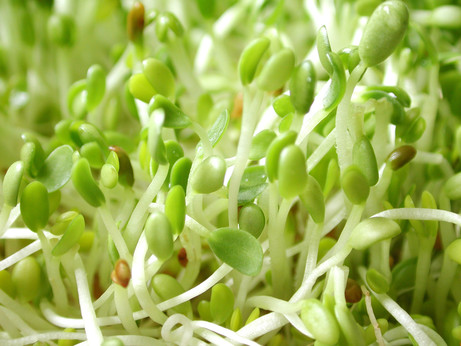 Not including this outbreak, since 1990, raw or slightly cooked sprouts have caused an estimated 2,273 illnesses, through 37 outbreaks. The U.S. Food and Drug Administration (FDA) estimates that sprout-link outbreaks account for 40 per cent of all food-borne illness associated with produce. This has prompted the FDA to issue this warning:
Health Risks with Raw Sprouts
Raw sprouts that are served on salads, wraps, and sandwiches may contain bacteria that can cause foodborne illness. Rinsing sprouts first will not remove bacteria. Homegrown sprouts also present a health risk if they are eaten raw or lightly cooked.
• To reduce the risk of illness, do not eat raw sprouts such as bean, alfalfa, clover, or radish sprouts. All sprouts should be cooked thoroughly before eating to reduce the risk of illness.
• This advice is particularly important for children, the elderly, and persons with weakened immune systems, all of whom are at risk of developing serious illness due to foodborne disease.
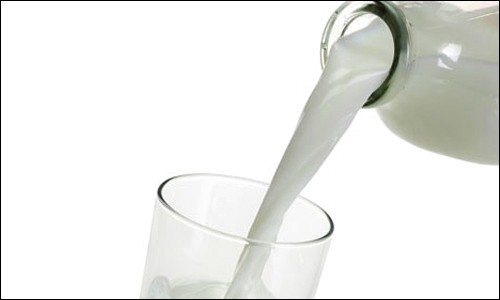 Interestingly, the FDA sets forth a similar warning for raw milk consumption:
According to the Centers for Disease Control and Prevention, Raw milk can cause serious infections. Raw milk and raw milk products (such as cheeses and yogurts made with raw milk) can be contaminated with bacteria that can cause serious illness, hospitalization, or death. These harmful bacteria include Brucella, Campylobacter, Listeria, Mycobacterium bovis, Salmonella, Shiga toxin-producing E. coli, Shigella, Streptococcus pyogenes, and Yersinia enterocolitica. From 1993 to 2006, 69 outbreaks of human infections resulting from consumption of raw milk were reported to CDC. These outbreaks included a total of 1,505 reported illnesses, 185 hospitalizations and 2 deaths.These harmful bacteria can seriously affect the health of anyone who drinks raw milk, or eats foods made from raw milk. However, the bacteria in raw milk can be especially dangerous to pregnant women, children, the elderly, and people with weakened immune systems.
Yet, is there a ban on the interstate sale of raw milk? Are there bans and restrictions on the sale of sprouts? Again, interesting issue.