

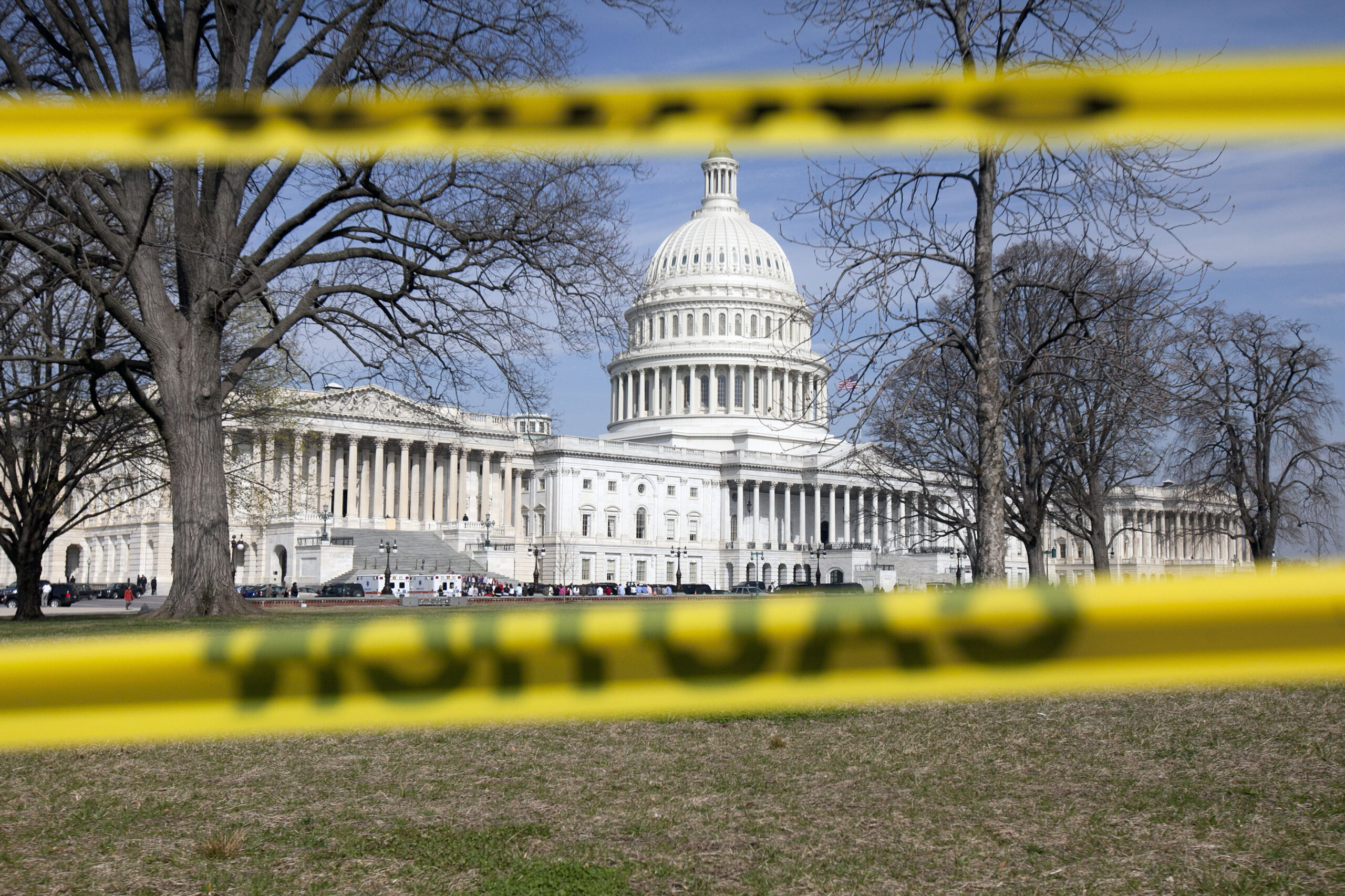
Government shutdowns create unique challenges for federal contractors — especially when performance obligations collide with halted agency operations, furloughed contracting officers, and disrupted oversight. One often-overlooked risk during these periods is the potential for negative Contractor Performance Assessment Reporting System (CPARS) evaluations. As outlined at FAR 42.1503(b)(2), agencies review contractor performance across a variety of factors, including technical performance, cost control, schedule/timeliness, and management relations — all of which can suffer under a government shutdown. Even when delays or cost impacts stem directly from a funding lapse, inadequate documentation or communication can leave a contractor vulnerable to adverse performance ratings long after the government reopens.
Below are practical strategies to help government contractors protect their CPARS record during — and immediately after — a shutdown.
Link to Document, Document, Document Document, Document, Document
Comprehensive documentation is the strongest defense against later CPARS disputes. Thus, contractors should:
- Keep daily logs of personnel activity, performance impacts, and correspondence with the government.
- Record specific instances where work was delayed, suspended, or altered due to government inaction or unavailability.
- Retain copies of all communications regarding stop-work orders, funding limitations, or access restrictions.
Detailed records establish a contemporaneous narrative that can be invaluable if a later CPARS rating attributes performance issues to contractor fault.
Link to Maintain Clear and Timely Communication Maintain Clear and Timely Communication
- Sending formal notifications to the agency of any anticipated performance impacts
- Requesting direction or clarification from the contracting officer regarding work continuation or suspension
- Following up once the government reopens to confirm understanding of any missed correspondence or task orders
Proactive and transparent communication demonstrates diligence and helps counter any later suggestion that the contractor failed to manage performance effectively.
Link to Invoke Contractual Protections Invoke Contractual Protections
Contractors should review and, if necessary, invoke clauses that preserve rights during funding lapses, such as:
- FAR 52.242-15, Stop-Work Order
- FAR 52.242-17, Government Delay of Work
These clauses can formally document that delays were government-directed, which may insulate the contractor from negative performance assessments.
Link to Coordinate Internally on Performance and Risk Coordinate Internally on Performance and Risk
Shutdowns often trigger confusion between project management, in-house legal, and accounting teams. Internal coordination ensures:
- Consistent messaging to the government
- Preservation of claims for equitable adjustment or schedule relief that supports later CPARS rebuttals
Link to Engage Early if a Negative CPARS Appears Engage Early if a Negative CPARS Appears
- Submit a well-documented rebuttal citing contractual authority and contemporaneous evidence of government-caused delay
- Reference any written communications confirming shutdown impacts or suspended work
- Escalate through the agency’s CPARS focal point or initiate a claim under the Contract Disputes Act if necessary to protect reputational interests
Link to Use the Post-Shutdown Window to Reset Expectations Use the Post-Shutdown Window to Reset Expectations
Once normal operations resume, contractors should meet with contracting officers to:
- Reconfirm performance timelines and deliverables
- Clarify how shutdown delays will be reflected in contract modifications
- Reestablish performance baselines to prevent subsequent misunderstandings
Link to Key Takeaway Key Takeaway
A government shutdown may be beyond a contractor’s control — but a poor CPARS rating doesn’t have to be. Through contemporaneous documentation, proactive communication, and careful use of contractual mechanisms, contractors can demonstrate contractual compliance and protect their performance record even in the face of government inaction. If you have any questions about any of the foregoing, please do not hesitate to contact Aron Beezley, Eugene Benick, or Jenna Mazella.