

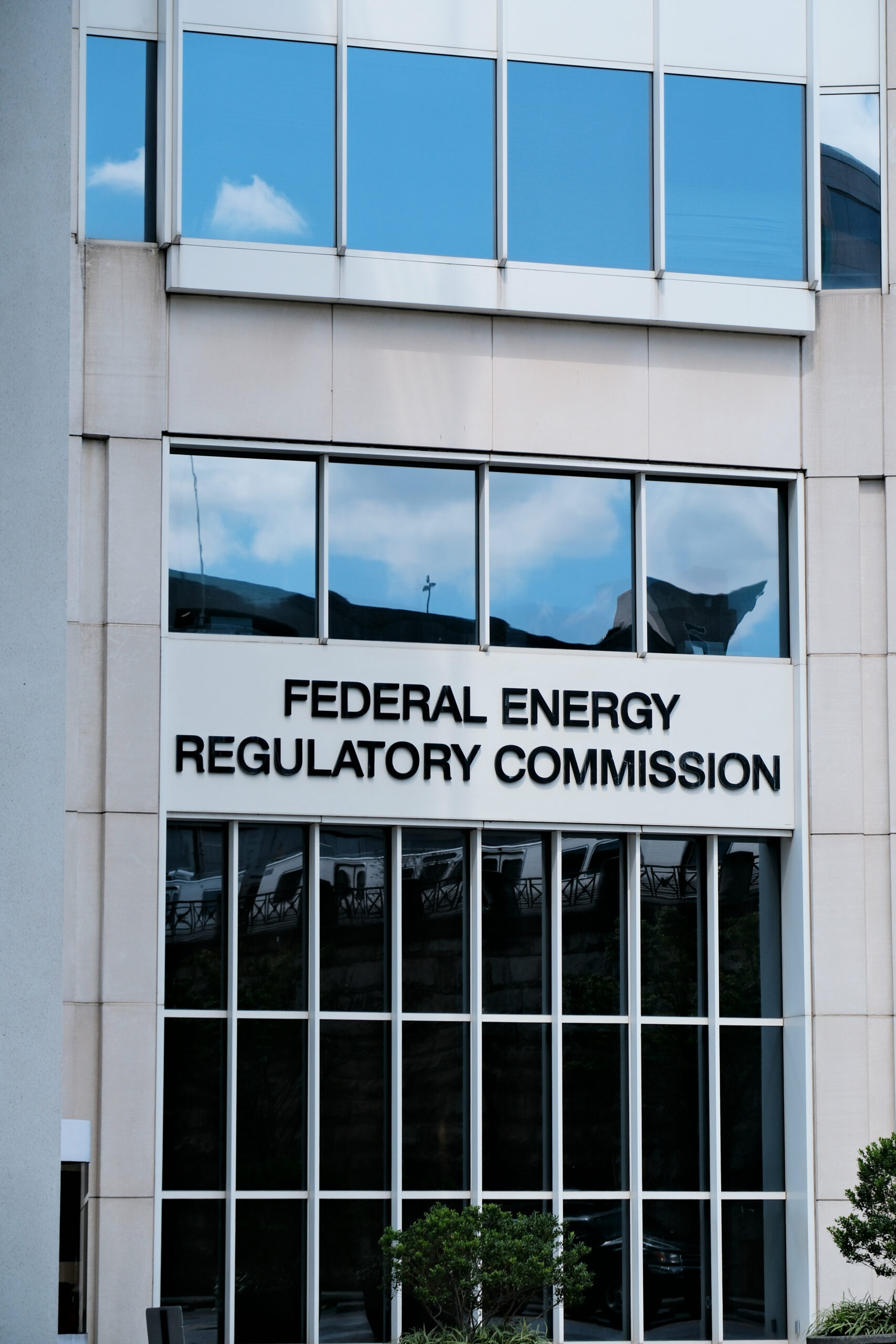
At the Federal Energy Regulatory Commission’s (“FERC” or the “Commission”) monthly open meeting on February 19, 2026, the Commission reaffirmed that it will not reinstate its ban on gas pipeline work during appeals.
As discussed in our previous post, FERC issued a final rule on October 7, 2025, “Removal of Regulations Limiting Authorizations to Proceed with Construction Activities Pending Rehearing” (Docket No. RM25-9-000, 193 FERC ¶61,014 (2025)). This rule rescinded Biden-era Order No. 871, which removed Section 157.23 of FERC’s regulations, thereby pausing construction of natural gas projects during the 30-day rehearing request period, or while such rehearing requests were pending. By repealing this rule, FERC permitted natural gas project construction to continue during the appeal period.
Since FERC’s October approval of the final rule, environmentalists have urged FERC to reconsider, claiming that the Commission (1) unreasonably relied on arguments discredited by FERC in Allegheny Defense Project v. FERC, 964 F.3d 1 (D.C. Cir. 2020) (en banc); (2) failed to provide evidence that Section 157.23 meaningfully impeded gas infrastructure development; (3) failed to show that stakeholders have other protections available to sufficiently address the potential harms of starting construction during the rehearing period; and (4) issued the rule without proper notice-and-comment.
The Commission denied this rehearing request in the February Order Addressing Arguments Raised on Rehearing. FERC denied all the petitioners’ arguments, holding that removal of Section 157.23 is warranted for several reasons. These include greater national benefits from removing Section 157.23, the existence of sufficient alternative protection for stakeholders, and the fact that the rulemaking process included an appropriate notice-and-comment period.
During the February open meeting, FERC Chairman Laura Swett explained that “today’s energy emergency” justifies the Commission’s action. In recent years, more than 100 GW of new gas-fired facilities have been announced, and most are expected to come online before 2030. Swett emphasized, “We urgently need natural gas to supply new generation and fuel our expanding economy. FERC is not going to stand in the way of that.”
What This Order Means for You
For industry participants, FERC’s reaffirmation offers greater certainty and fewer delays by allowing authorized natural gas projects to proceed during rehearing and appeals. The decision reduces construction and financing risk and signals the Commission’s current policy direction: prioritizing timely infrastructure development to support reliability and economic growth.