Adam David Long

LawSnap by Adam David Long is a specialized legal publication focused on helping lawyers and compliance professionals manage the overwhelming volume of regulatory information. It offers curated insights by monitoring multiple primary sources such as Federal Register notices, agency guidance, administrative decisions, and court cases, then distills these into clear, actionable briefings tailored to specific practice areas. The publication emphasizes practical use of AI to streamline information gathering, organization, and client communication, including innovative formats like audio and video explainers. LawSnap aims to transform scattered legal updates into coherent, client-ready content that supports timely decision-making and regulatory compliance.

Latest from Adam David Long - Page 6

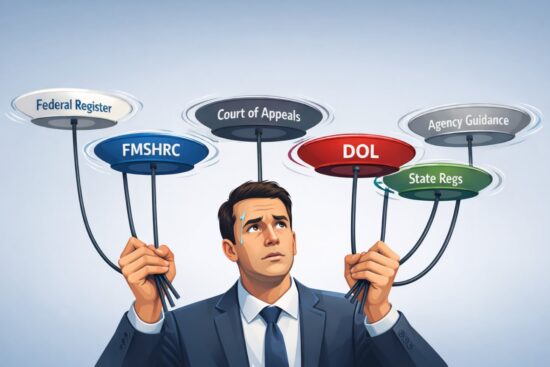
  • Tracking one rule often means checking three, four, or even five different sources — Federal Register, courts, agencies, status reports, enforcement
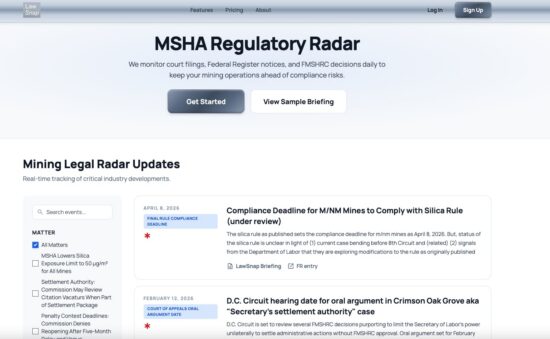
  • We built a dashboard that pulls them all into one filtered timeline with direct links to primary sources
  • It’s

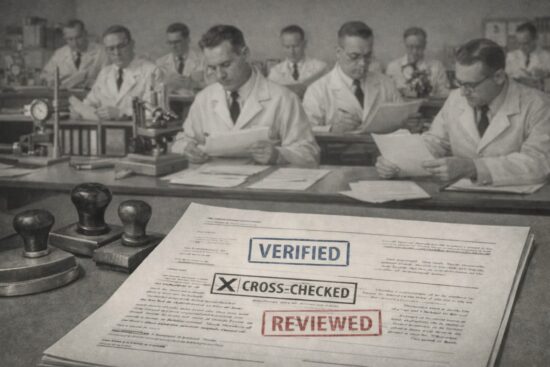
  • Most lawyers treat AI like a junior associate—assign work, review output, worry about what you might miss
  • But AI isn’t “a thing” that gets smarter—it’s a pool of capabilities you can plug into verification systems
  • Lawyers already know how to

  • An open-source AI agent (Moltbot) gained 82,000 GitHub stars in weeks—then security researchers found hundreds of exposed installations with credentials wide open
  • AI agents require broad system access to be useful, but that same access creates security vulnerabilities that can’t

  • Claude AI is now embedded directly inside Microsoft Excel — not as a chatbot you paste into, but with full awareness of your formulas, tabs, and cell references. It costs $20/month.
  • One user built an 11-tab financial model in 10

  • Unbillable reality: Staying current on rules and decisions is table stakes—but it always slides to the bottom of the pile.
  • The “six-tab” problem: The Federal Register, court dockets, and FMSHRC decisions don’t cross-reference each other—so it’s easy to miss the