

The parties to the 1972 Convention on the Prevention of Marine Pollution by Dumping of Wastes and Other Matter (London Convention) and the 1996 Protocol to that Convention (London Protocol) are meeting this week. High on
Columbia Law School Blogs
Latest from Columbia Law School
What Does Securities Deregulation Mean for Climate Risk?

The Securities and Exchange Commission’s (SEC’s) proposal to rescind its 2024 climate-disclosure rule marked a significant reversal of efforts to surface and standardize information about climate-related financial risk. But underlying that high-profile rollback is a broader trend toward securities deregulation

Can Frontier AI Labs Lawfully Agree to Slow Down to Save Humanity?
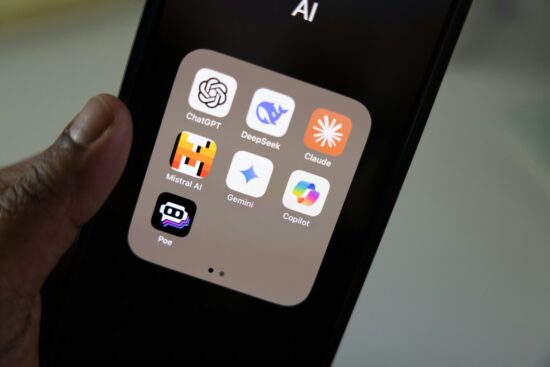
On September 12, 2026, Anthropic CEO Dario Amodei called for coordinated limits on the pace of frontier-AI development, with government support to address antitrust constraints. Sam Altman (OpenAI), Demis Hassabis (Google DeepMind), and Elon Musk (SpaceXAI) publicly supported the proposal’s
Skadden Discusses Bank Agencies’ Proposed Changes to Third-Party Risk Management Guidance
On September 11, 2026, the Office of the Comptroller of the Currency (OCC), Board of Governors of the Federal Reserve System (Federal Reserve Board), Federal Deposit Insurance Corporation (FDIC) and National Credit Union Administration (collectively, the “agencies”) jointly issued proposed interagency
Public Purpose and Founder Control at Anthropic
Anthropic, a public benefit corporation (PBC), continues to offer food for thought on corporate governance and its mission to develop AI responsibly and for the long-term benefit of humanity. The frontier AI laboratory is preparing to enter public markets with
SEC Chair Atkins Speaks on Retailization of Private Markets
Good morning, ladies and gentlemen. And thank you for joining us today for this public meeting of the Securities and Exchange Commission under the Government in the Sunshine Act.
We have three items on today’s agenda. First, the Commission will
Supreme Court to Tackle Preemption Issues in Corporate Climate Accountability Litigation
“Supreme Court” by Mark Fischer, CC BY-SA 2.0
On Monday, October 5, the Supreme Court will open its 2026–2027 term by hearing a climate change case, Suncor Energy (U.S.A.) Inc. v. County Commissioners of Boulder County (Suncor). The
The Federal Corporate Law of Bankruptcy
In a recent article, we argue that chapter 11 fundamentally changes the corporate-governance regime applicable to a business, but that courts and practitioners have largely failed to recognize the significance of that change. Although corporate law ordinarily is a
Covington Discusses SEC’s “Innovation Exemption” for Tokenized Stock
On September 17, 2026, the U.S. Securities and Exchange Commission (“SEC”) issued an order (sometimes referred to as the “Innovation Exemption”) to address some questions on how to trade public company stock using distributed ledger technology – in other words,
Who Needs SEC Rule 14a-8?
On September 16, the Securities and Exchange Commission proposed to rescind Rule 14a-8, the SEC rule that lets a shareholder holding as little as $2,000 of stock place a proposal in a company’s proxy statement, at the company’s expense, for