

Many years ago when this blog began, we used to run a series called “what we are reading…”. The idea was simply to share some initial thoughts on texts that we were finding helpful or interesting. We hoped share a

Many years ago when this blog began, we used to run a series called “what we are reading…”. The idea was simply to share some initial thoughts on texts that we were finding helpful or interesting. We hoped share a
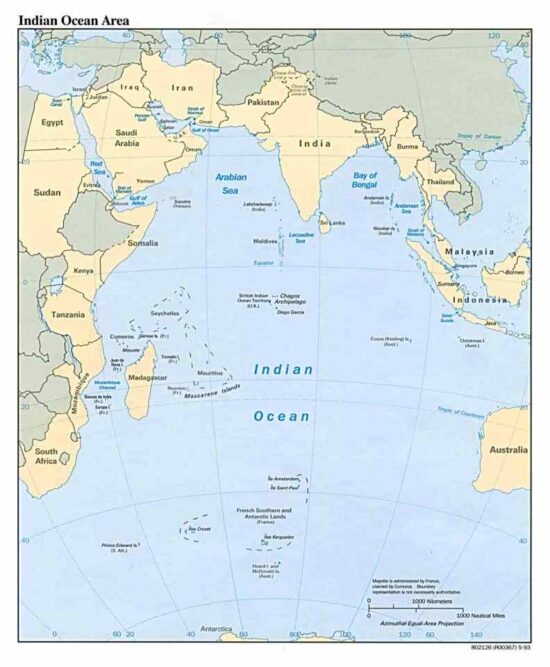
Public Domain; Map Courtesy of the University of Texas Libraries, The University of Texas at Austin.When the United Kingdom and Mauritius signed a historic treaty in May 2025 transferring sovereignty over the Chagos Archipelago, the headlines proclaimed a long-overdue moment

Artist talk, garden beers & chat on everything law and humanities. 30th of June, 5pm.This end-of-year event is jointly organised by LHub (Law and the Humanities Hub at the Institute of Advanced Legal Studies, London) and the Legal Humanities Association. Join
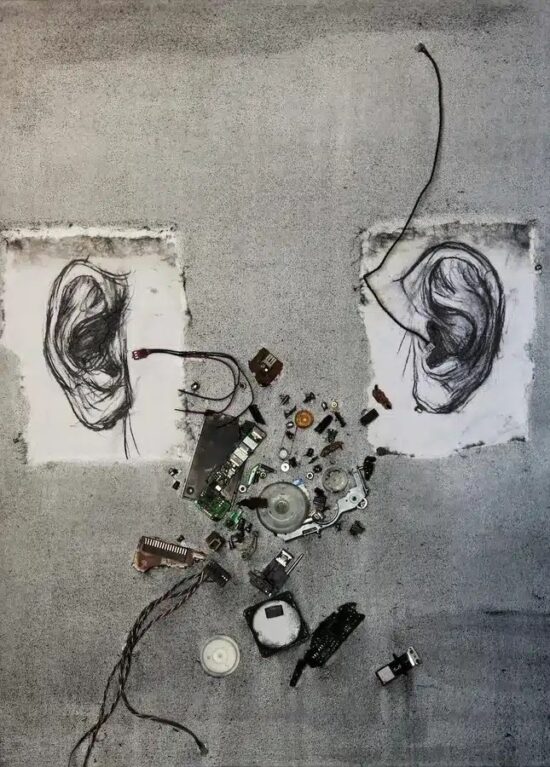
The 21st century has transformed the courtroom: Hearings that once drowned in paper now unfold through digital files, video links, virtual hearings, appellate courts’ YouTube channels, livestreams, e‑filing, digital case management, online bundles, and predictive analytics. Cornelia Vismann once observed

Unite the Kingdom was a day for wearing St Georges flags that combined with the saturation demonising of Muslims and migrants. This from one of the keynote speakers, Kellie-Jay Keen-Minshull, leader of the anti-transgender Party of Women: “It’s not too late to
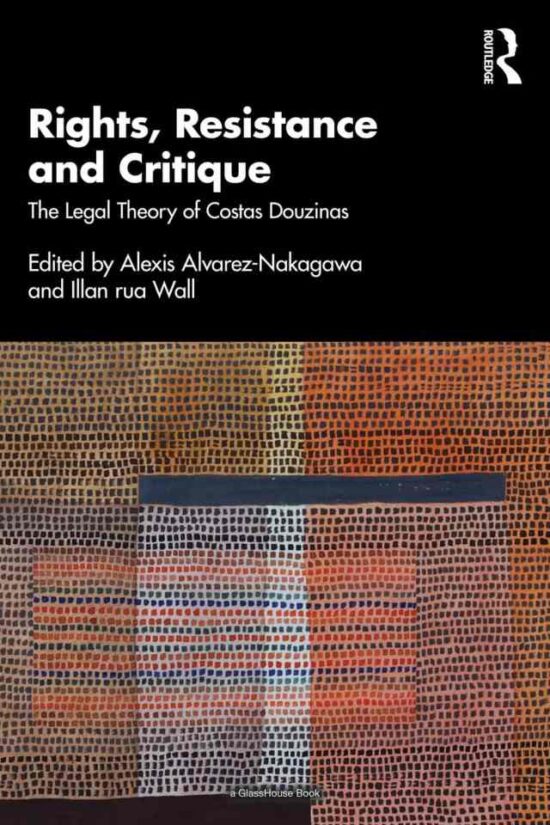
Celebrating the first edited volume on the work of Costas Douzinas, the conference brings together his collaborators, students and contemporaries in legal critique to reflect on different aspects of his oeuvre and to celebrate his significant contribution to legal
CLC2026 invites proposals for individual papers, performances, proof of concept participation, or entire sessions, that fall within the below streams.Each session should follow one of three modes: Works of Text, Performing Bodies, or Proof of Concept. Streams

In Greek mythology, Chaos is that primordial state which precedes the appearance of the Gods. A gaping void, a primordial non-time prior to the blossoming of light, which is necessary for the appearance of life. To evoke the origin of
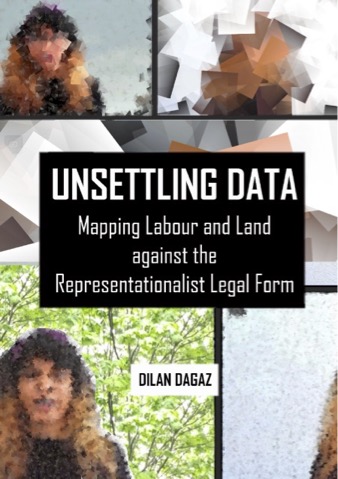
The Institute for Technology in the Public Interest invites you to a book launch and panel discussion on Unsettling Data: Mapping Labour and Land against the Representationalist Legal Form (TITiPI, 2026) with Cristina Cochior (Varia and FHNW, Basel), Angela Daly (University of Newscastle,

Over at the LPE blog, a series of contributions have advanced why legislative supremacy ought to be part of a socialist left strategy. Partly, this is a response to the growing juridification of social and political life that has buttressed