

Sexual violence in marriages is a very real issue in South Africa, but remains shrouded in silence and denial. It’s a subject that Nyasha Karimakwenda has researched for many years in various forms, from traditional practices to court judgments. We

Sexual violence in marriages is a very real issue in South Africa, but remains shrouded in silence and denial. It’s a subject that Nyasha Karimakwenda has researched for many years in various forms, from traditional practices to court judgments. We

Deepfakes are forgeries of people’s faces, voices and likeness generated through artificial intelligence (AI). They create a serious digital deception. Deepfakes undermine constitutional rights, reduce trust in media and distort fairness in elections. While many countries have laws that address

Victims and survivors of gender-based violence have increasingly started naming perpetrators in public. This phenomenon has gained traction through movements such as #MeToo, the #RUReferenceList and #AmINext.
However, there has been a significant backlash. Men identified as perpetrators

The harmful use of alcohol causes approximately 3 million deaths every year.
Alcohol consumption is linked to over 200 diseases and other health conditions. These include liver diseases, heart diseases and different types of cancers.
This is a
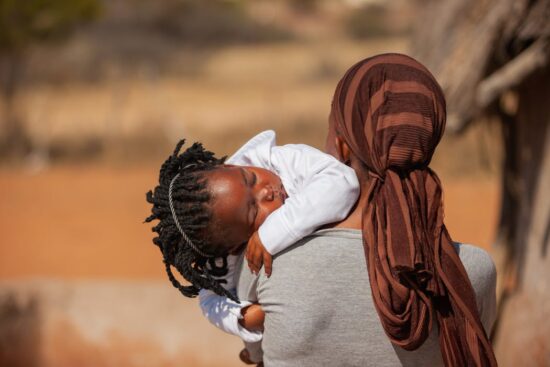
Many women feel the maintenance system favours men. ShutterstockChild maintenance – the duty to support a child – is more than a right. It ensures children have their basic needs met. It also means single mothers don’t have to shoulder

South Africa has one of the highest homicide rates in the world, eclipsed only by Honduras and a handful of Caribbean island states. Furthermore, South African police crime data shows that South Africans experience above average levels of robbery, assault

South Africa’s Constitutional Court stands out as one of the few government institutions that have protected and advanced the constitutional vision of a participatory democracy and social justice. Many other government institutions which ought to have allied themselves with the

South Africa’s former foreign minister, Naledi Pandor, said the country’s citizens fighting for the Israel Defence Forces in Gaza faced prosecution upon their return. This statement followed tension between South Africa and Israel amid the “humanitarian catastrophe” resulting from

Former Western Cape judge president John Mandlakayise Hlophe has become one of the first two members of South Africa’s judiciary to be impeached since the country became a constitutional democracy in 1994. A vote in parliament in late February 2024

South Africa’s Constitutional Court has fundamentally changed the country’s marriage law, making it fairer to people who are married “out of community of property” when their marriages end. In these marriages, the estates of spouses are kept separate. They do