

Infrastructure is one of the most important investments Hawaiʻi can make to address its housing and resource needs. The problem facing states and municipalities across the country is the same one facing us: how do we pay for it? Infrastructure
Latest from Hawai'i Appleseed Blog
The bus could be free for everyone—here’s how we pay for it
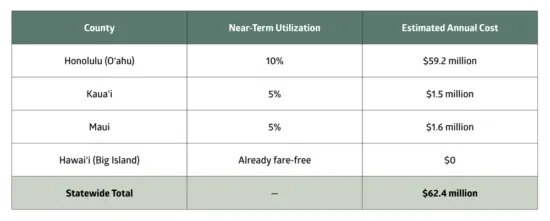
What would it take to make the bus free for everyone in Hawaiʻi—not just our keiki, but every resident who needs a ride?That’s the question at the heart of our newest report, “Funding Free Transit: Cost Estimates and Revenue Options
Five housing questions on Oʻahu’s November ballot—and why they matter
Once a decade, Honolulu residents get to decide what to change in the city charter—the document that creates the framework for how our local government operates. This November, Oʻahu voters will consider 20 proposed charter amendments, and five of them
Food security is on Oʻahu’s ballot this November: What Question No. 1 would do
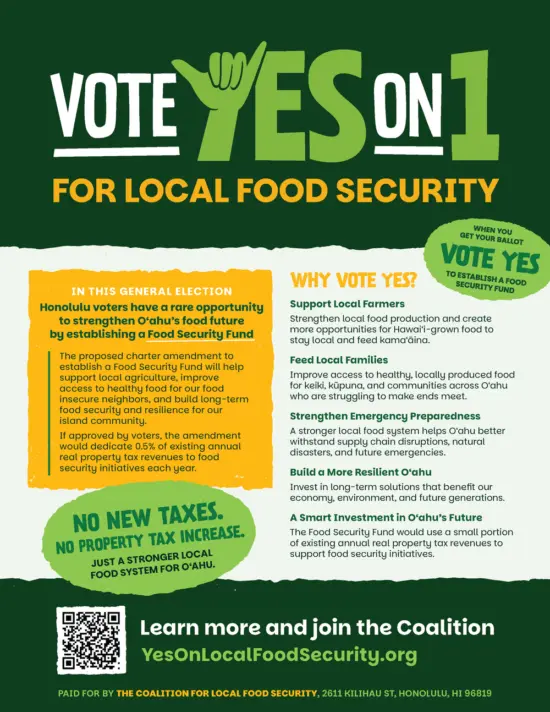
On any given day in the City and County of Honolulu, roughly 1 in 4 households lack reliable access to food. That amounts to nearly 250,000 residents who are food insecure on Oʻahu—a quarter of our neighbors, our coworkers, and
New census data confirms the benefits of investing in safety net programs
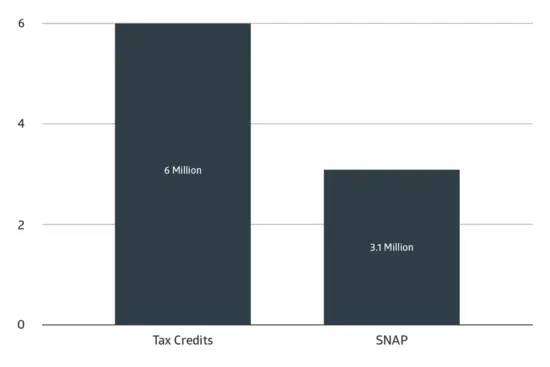
This week, the Census Bureau published its 2025 data on poverty, income, and health insurance—the data we use to measure how households in Hawaiʻi and the rest of the United States are faring. The new data highlights
Moving together: The case for sustainable transportation in Hawaiʻi
At Hawaiʻi Appleseed, our work has long focused on the systems that shape economic security for Hawaiʻi’s families: housing, food, tax, wages, and transportation. As we’ve deepened our work on transportation equity, we’ve found it increasingly difficult to address without
Struggling on the frontline of collapse: Why a living wage is climate justice
A minimum wage increase is not just an economic policy. It is also a climate justice imperative.Raising the minimum wage directly addresses the structural inequity that places low-income and marginalized communities on the frontlines of climate harm. When families are
Unburden the burdened: Why Hawaiʻi should expand its rental voucher program
When 57 percent of Hawaiʻi renters spend over 30 percent of their income on housing—and 29 percent spend more than half—the instinct to reach for a simple, immediate solution is understandable. Rent regulation, or rent control, seems like an easy
The billionaire tax California is debating—and why Hawaiʻi should pay attention
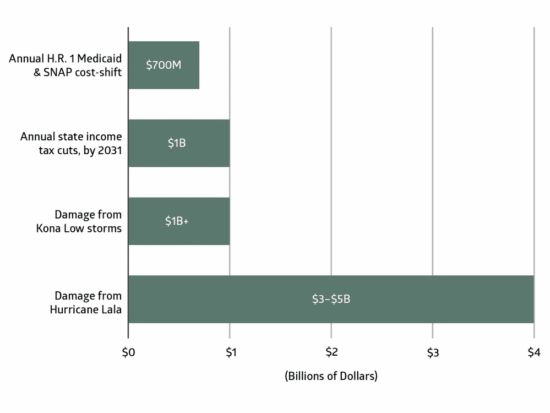
At a moment when Hawaiʻi desperately needs more revenue, California’s proposal to tax billionaire assets offers a model for making the ultra-wealthy pay their fair share.Hawaiʻi is currently dealing with the aftermath of Hurricane Lala, and early estimates suggest a
The surveillance grocery store: How algorithms target Hawaiʻi consumers
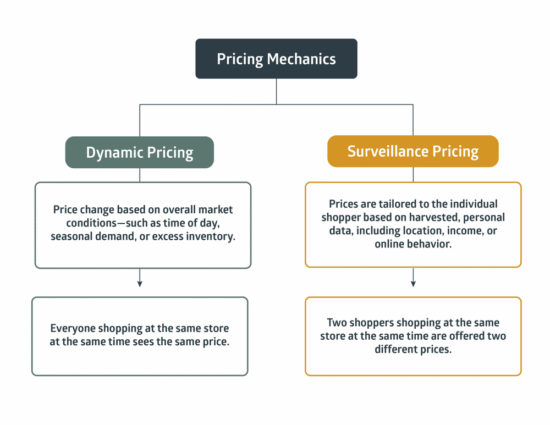
“For an average family of four, these algorithmic markups translated to an extra $1,200 a year in grocery costs.”
For generations, the price on the retail shelf has been the price you pay—unchanging whether you’re a CEO, a student, or