

Consider the scenario: a higher-up employee uploads six months of internal strategy documents into a generative AI tool, generates a ten-page competitive playbook synthesizing the company’s pricing models, customer relationships, and go-to-market plans, and resigns the next morning. Nothing was
Latest from HR Defense - Page 2
When a Third‑Party Investigator Is the Smart Move
Choosing the right investigator for a workplace complaint is one of the most consequential decisions an employer will make once concerns are raised. Whether the investigation is conducted internally by an HR team member or by a neutral third‑party investigator
New York Joins the Growing Wave of States Restricting Credit Checks in Employment
A new amendment to New York’s Fair Credit Reporting Act has significantly restricted employers’ use of consumer credit history in employment decisions. The amendment follows the lead of New York City’s existing Stop Credit Discrimination in Employment Act, which already
Religious Accommodations in the Post-Groff Era: Navigating the Supreme Court’s “Substantial Increased Cost” Standard
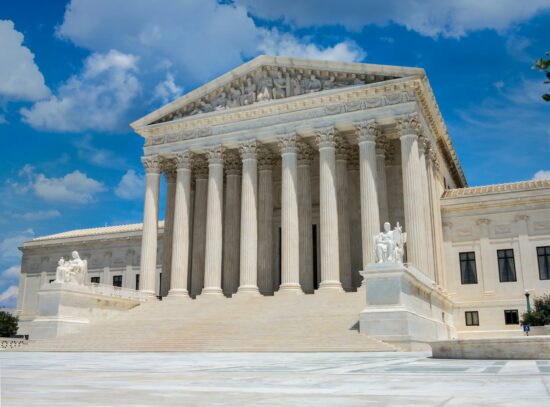
According to the EEOC, religious discrimination charges have increased steadily over the past decade. Post-Groff, the stakes for getting accommodation decisions wrong have never been higher. Whether you’re fielding a request for schedule flexibility, dress code exceptions, or vaccination exemptions,
New Jersey’s Proposed Ban on Height and Weight Discrimination: What Employers Should Know
State and local employment laws continue to evolve in ways that can catch even well‑prepared employers off guard. New Jersey’s latest legislative effort is a good example. A bill pending in the New Jersey Legislature would add height and weight
FY 2027 H-1B Cap Petition Filing Opens April 1: Key Considerations for Employers and Employees
The release of H‑1B lottery results has significant consequences for both employers and their foreign national employees. Although selection is welcome news, it does not confer H‑1B status; it merely authorizes the employer to file an H‑1B petition during the
When One Harassment Claim May Put the Whole Case in Court
A single sexual harassment allegation may do more than add one more claim to an employment complaint — it may also affect where the entire case gets litigated. In a recent decision, the U.S. Court of Appeals for the Sixth
Navigating Uncertainty: How U.S. Employers Can Support Their Employees During Times of War

In periods of global conflict, the effects of war often extend well beyond the battlefield. Employees may be called to military service, support deployed family members, worry about loved ones abroad, or simply feel the emotional strain of ongoing uncertainty.
USCIS Opens FY-2027 H-1B Cap Registration: Key Updates for Employers
U.S. Citizenship and Immigration Services (USCIS) has announced that the FY-2027 H-1B cap registration period will run from March 4, 2026, through March 19, 2026. During this period, employers seeking to sponsor foreign national professionals may submit electronic registrations through
The Employer’s Winter Games: New York’s Q1 2026 Legal Update
Much like the season’s unpredictable snowstorms, recent developments in New York’s state and local employment laws have arrived quickly and with the potential to disrupt even the most carefully charted workplace policies. This year’s regulatory forecast calls for more than