A few days ago, we had informed our readers that they could participate in the open call for comments and suggestions on the Draft Guidelines for Examination of Patent Applications in the Field of Pharmaceuticals (2026). Several such notifications

A few days ago, we had informed our readers that they could participate in the open call for comments and suggestions on the Draft Guidelines for Examination of Patent Applications in the Field of Pharmaceuticals (2026). Several such notifications
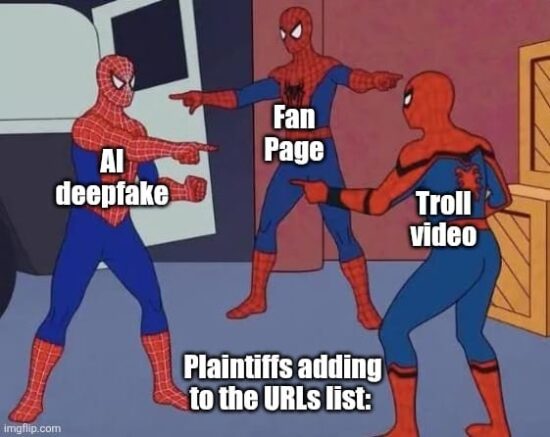
Continuing the discussion on an almost unending spate of personality rights filings (first part and second part), in the third part of the post, Aakanksha turns to fandom, fan merchandise, and fan participation in celebrification – and to some
In the first part of this three-part post, Aakanksha discussed the standard, overbroad prayers in almost every personality rights suit, and the August 2026 orders that have begun to dismantle them. In this second part, she examines the reasons for
The Delhi High Court has been seeing what can be termed an almost unending spate of personality rights filings, but there’s now a fork in the road that recent orders over the past month are recognising. In this three-part post,
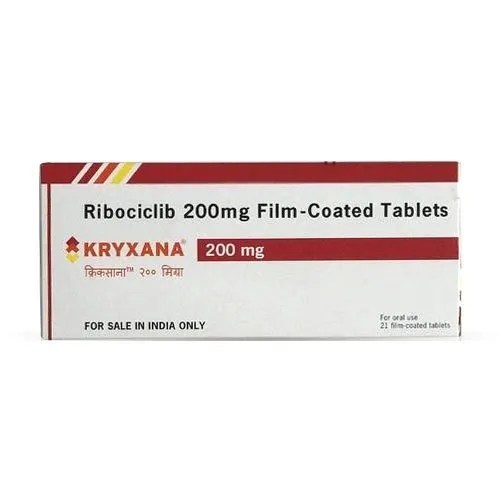
image from here
[This post is authored by Rishabh Upadhyay. Rishabh is an LL.M. candidate at the Faculty of Law, Delhi University, having completed his undergraduate legal studies at the Faculty of Law, Banaras Hindu University. His interest lies in
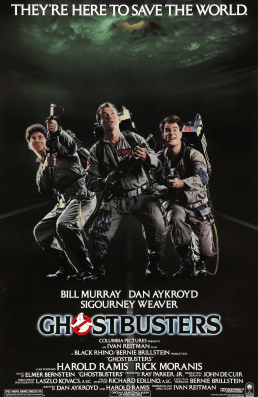
Image from here.
Ordinarily, trademark protection is strongest in relation to the identical or similar goods or services for which a mark is registered. Some marks, however, acquire such a strong reputation that the law protects them even against use

Kicking off September with an exciting week featuring posts on the latest guidelines by the Patent Office on the use of AI in patent examination, copyright strikes, the Calcutta High Court order in IPRS v. Hotel Appolo, the Copyright Office’s
Introduction
“With the internet, the question of ‘territorial’ jurisdiction gets complicated largely on account of the fact that the internet is borderless.”
A sentiment raised by Justice Muralidhar in 2010 still rings true in 2026 (has perhaps turned more complicated).
In the time of this oncoming monsoon, it feels like its raining draft guidelines from the Controller General’s office!
The office of the Controller General of Patents, Designs and Trademarks (CGPDTM) has released two new sets of draft guidelines today for