

This afternoon, the FTC voted to adopt a proposed final rule banning most non-competes with workers in the United States. The final rule provides that it is an unfair method of competition—and therefore a violation of Section 5 of the

This afternoon, the FTC voted to adopt a proposed final rule banning most non-competes with workers in the United States. The final rule provides that it is an unfair method of competition—and therefore a violation of Section 5 of the

Welcome, readers. We are at a pivotal juncture in the realm of non-compete law. Today, we will be providing real-time coverage of a consequential Federal Trade Commission (FTC) meeting. This is not just an ordinary meeting; it’s a crucial dialogue

We invite you to watch our webinar, the second installment of the Commercial Litigation Outlook series, titled “Navigating Legal Minefields: Insights on Restrictive Covenants, eDiscovery, and Privacy Compliance.” Our panel, consisting of Rebecca Woods, Dawn Mertineit, James Yu, Jason Priebe,

Tuesday, May 28, 20241:00 p.m. to 2:00 p.m. Eastern12:00 p.m. to 1:00 p.m. Central11:00 a.m. to 12:00 p.m. Mountain10:00 a.m. to 11:00 a.m. Pacific
About the Program
In today’s ever-evolving and interconnected world, trade secret protection demands proactive
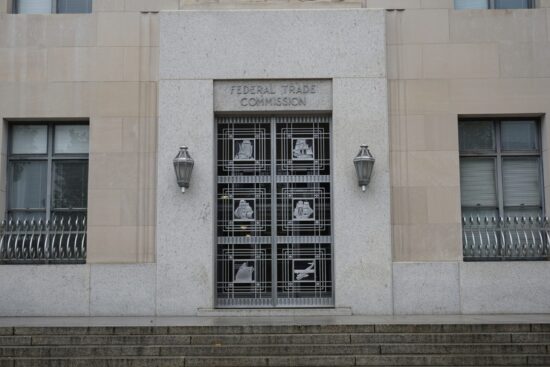
The FTC announced today that it will be hosting a special virtual open meeting on April 23, 2024, at 2:00 p.m. Eastern to discuss its proposed final rule regarding non-competes.
According to the FTC, on the agenda, is the FTC’s

We invite you to watch our recent webinar, where Seyfarth Shaw LLP’s trade secret, computer fraud, and non-compete attorneys navigated the ever-evolving business landscape, safeguarding trade secrets has become a critical priority for organizations seeking resilience and success.
In this

As we reported at the end of February, Maine’s House of Representatives voted for a non-compete ban that would have invalidated virtually all such agreements in the state. In March, the Senate passed the bill, sending it to Governor Mills’s

Effective January 1, 2020, Washington enacted a noncompete statute which, among other things, required employers to satisfy notice obligations and compensation thresholds to use noncompete agreements with employees and independent contractors. As we previously described, Washington’s original statute:

Seyfarth proudly announced the annual installment of our Commercial Litigation Outlook and Webinar Series, featuring insights about litigation issues and trends to expect in 2024 from our nationally recognized team. The Trade Secrets practice group is pleased to present its
