

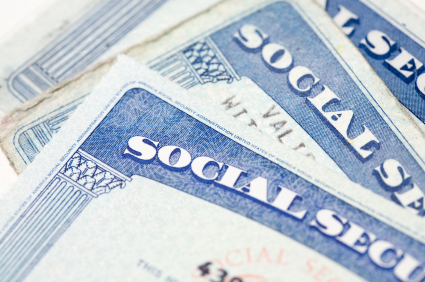
 One of G.W. Bush’s controversial acts as president was issuing the no-match rule. When employers pay social security taxes, the Social Security Administration (SSA) allocates a certain amount to each employee based on that employee’s social security number. All is well and good when the employer provided numbers match the numbers on file with the SSA. When the numbers don’t match, the SSA sends an aptly named no-match letter. The Bush administration’s no-match rule would have required theDepartment of Homeland Security (DHS) to send its own letter to employers along with the no-match letters from the SSA. The DHS letters, rather than simply stating that the numbers didn’t match, would contain a threat to fix the problem or face liability. As a practical matter, most employers receiving such a letter would opt to terminate the employee at issue rather than face liability.
The real problem with this rule is that just because an employee’s social security number, provided on an I-9 card for example, does not match the number on file with the SSA does not mean the employee is an illegal alien. The SSA’s record keeping is not perfect and the no-match might not be the employee’s fault. Moreover, typos are not uncommon in this context and many no-match situations are the result of accidentally switching a single number. In other words, a no-match does not equal an illegal worker. Terminating employment solely on the basis of receiving a no-match letter could expose employers to liability for wrongful termination.
The DHS has a deadline of September 30, 2009 to rescind the no-match rule. If it rescinds the rule before that date it will not run afoul of the bill recently passed in the Senate prohibiting using any part of next year’s appropriated homeland security funds to rescind the rule. The DHS has indicated that it intends to rescind the rule and focus on assuring employer compliance through programs such as E-Verify.
The bottom line for employers – compliance with immigration laws is just as important as ever, but if the rule is rescinded a no-match letter from the SSA should result in a discussion with the employee, perhaps obtaining another copy of their social security card and checking their I-9 form.