

Two major, mulitstate foodborne illness outbreaks — Salmonella Panama infections linked to cantaloupes and E. coli O157:H7 infections associated with beef bologna — are being investigated by the Centers for Disease Control and Prevention (CDC) and its federal, state and local public health partners.
The CDC published its reports on the investigations Wednesday. Here is a summary of those updates:
E. coli O157:H7 outbreak
Fourteen people have now been identified with the outbreak strain of E. coli O157:H7: six in Pennsylvania, three in Maryland, two in New Jersey and Ohio and one in North Carolina. They range in age from 1 to 70 year.
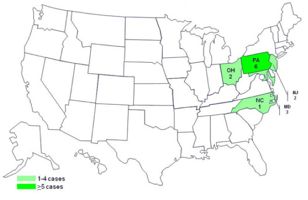
Onset of their illnesses ranged from Jan. 10 to Feb. 15. At least three have been hospitalized.
Thirteen of those sickened answered questions about foods they had eaten during the days before they become ill, and investigators compared their responses to those of 21 persons of similar age previously reported to state health departments with other illnesses (“controls”). The ill persons (69 percent) were significantly more likely than controls (0 percent) to report having eaten Lebanon bologna.
Additionally, four of those who were ill with the outbreak E. coli strain had purchased Seltzer Brand Lebanon bologna at four different grocery store locations in three states before becoming ill.
Palmyra Bologna Co. has recalled approximately 23,000 pounds of its Seltzer Brand Lebanon bologna products. Detailed product information is available on the U.S. Department of Agriculture’s Food Safety and Inspection Service website.
This outbreak could become larger. The CDC notes that illnesses that occurred after March 2 might not be reported yet due to the time it takes between when a person becomes ill and when the illness is reported — an average of two to three weeks.
Salmonella outbreak:
Twelve people have been identified as infected with the outbreak strain of Salmonella Panama — five in Oregon, four in Washington, two in California and one in Maryland. They range in age from younger than one year of age to 68 years old.

Their illness onsets ranged from Feb. 5 to Feb. 23. Two have been hospitalized.
Eleven of the 12 reported eating cantaloupe in the week before they became ill. Ten of these 11 purchased cantaloupes at seven different locations of a national warehouse club (Costco).
Information gathered, with patient permission, from their membership card records and product traceback helped determine that the ill persons purchased cantaloupes that had been harvested from a single Del Monte Fresh Produce farm in Asuncion Mita, Guatemala.
Del Monte Fresh Produce now has voluntarily recalled 4,992 cartons of cantaloupes. The cantaloupes were distributed through (Costco) warehouse clubs in Alaska, California, Colorado, Idaho, Montana, Oregon, and Washington.
The recalled products consist of cartons of cantaloupes, each containing 4 plastic mesh sleeves with 3 cantaloupes per sleeve that were available for sale between March 10 and March 21, 2011. The cantaloupes, grown in and shipped from Del Monte Fresh’s Guatemala farm, have a light brown color skin on the exterior with orange flesh. The recalled cartons of cantaloupes are dark brown cardboard with the “Del Monte” logo in red lettering and “cantaloupes” in yellow lettering on a green background. The cantaloupes have the lot codes: 02-15-24-10, 02-15-25-10, 02-15-26-10 and 02-15-28-10.
No illness has been linked to cantaloupes from other sources.
However, contaminated cantaloupes may still be in grocery stores and in consumers’ homes.
Don’t eat recalled cantaloupes; restaurant and food service operators should not serve them. Disposed of them a closed plastic bag placed in a sealed trash can.
If you think you might have become ill from eating possibly contaminated cantaloupes, consult with your health care provider.
Cantaloupe, with its rough and porous skin, can harbor dangerous bacteria. It’s important to wash one’s hands before and after handling any melon. Wash the surface of melons such as cantaloupes, and dry them with a clean cloth or paper towel before cutting.
————————————
Centers for Disease Control and Prevention outbreak maps