

 There are many sound reasons why employers have zero tolerance policies and engage in drug testing of applicants and/or employees, including customer requirements, government contracting requirements (e.g.,the federal Drug Free Workplace Act), federal or state laws (including DOT requirements for transportation workers), workplace safety, productivity, health and absenteeism, and liability.
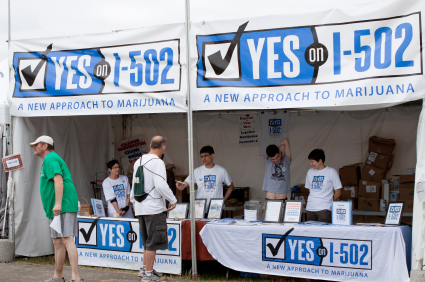
Some Washington state employers may be wondering whether any workplace implications have been created by the election day passage of voter Initiative 502, which made Washington the first state, with Colorado, to reject federal drug-control policy and legalize recreational marijuana use. The simple answer is it does not change a Washington employer’s rights.
We previously blogged a similar issue when discussing a 2011 Washington Supreme Court decision holding that Washington’s Medical Use of Marijuana Act does not protect medical marijuana users from adverse hiring or disciplinary decisions based on an employer’s drug test policy. Also previously covered in World of Employment, the Oregon Supreme Court ruled that because federal criminal law preempts Oregon’s medical marijuana law, employers in Oregon do not have to accommodate employees’ use of medical marijuana.
Similar concepts apply to the new Washington State marijuana legalization law. Marijuana still remains illegal for all purposes under the federal Controlled Substances Act. Employers simply do not have to condone illegal drug use, possession or influence at their workplace.
In light of state marijuana legalization efforts, to best protect themselves, employers should review their policies to make sure that illegal drug use under both state and federal law is prohibited, and that their policies prohibit any detectable amount of illegal drugs as opposed to an “under the influence” standard. Employers should also ensure that all levels of their human resources personnel know how to handle medical marijuana issues as they arise.
This issue has been getting a lot of attention in the state and national media since the election. For example, see this story in the Puget Sound Business Journal, and another article I wrote at the Law360 website (note that you need a subscription for Law 360).