

In 2014, Washington health care employers will be required to comply with the Department of Labor and Industries’ (“L&I’s”) new Hazardous Drugs Rule. While today that may seem like the distant future, savvy employers w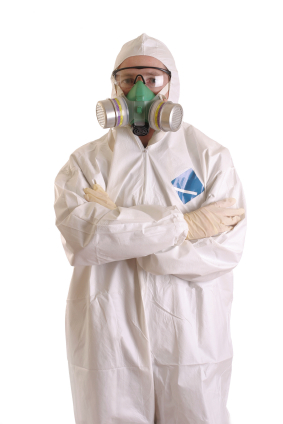 ill take time in 2013 to implement measures in compliance with the new rule before the deadline to do so creeps up.
What is the Hazardous Drugs Rule?
The Hazardous Drugs Rule is designed to protect employees of health care facilities in Washington from occupational exposure to hazardous drugs. For purposes of the Rule, the term “health care facilities” includes not only hospitals and clinics, but also pharmacies, nursing homes, home health care agencies, veterinary practices, and some research laboratories. The Rule’s protections extend beyond medical providers, pharmacists, and the like to encompass all employees who may be exposed to hazardous drugs. For example, a janitorial employee’s duties may include disposal of discarded medications or similar exposure to hazardous drugs.
Hazardous drugs include any drug identified by the National Institute for Occupational Safety (“NIOSH”) in its list of antineoplastic and other hazardous drugs in health care settings, which can be found at: http://www.cdc.gov/niosh/docs/2012-150/. In addition, hazardous drugs can include any other drug that can damage DNA or cause cancer, birth defects, fertility problems, or organ toxicity at low doses. Common examples of drugs considered to be hazardous under the Rule are chemotherapy drugs, birth control pills, and certain anti-depressants.
What is Required Under the Rule?
The Rule requires affected employers to establish – with input from employees – a written hazardous drugs control program by January 1, 2014. The written program must contain three main elements: (1) an inventory of all hazardous drugs in the workplace; (2) a hazard assessment for those identified drugs; and (3) hazardous drugs policies and procedures. The policies and procedures are expected to cover issues such as use of personal protective equipment, safe handling practices, engineering controls, cleaning, waste handling, spill control, and employee training. The employee training must be implemented by no later than July 1, 2014.
In addition, employers are required to install ventilated cabinets for handling and preparation of hazardous drugs where appropriate. This requirement does not take effect until January 1, 2015.
Is Medical Surveillance Required?
As of now, medical surveillance of impacted employees is not required by the Hazardous Drugs Rule. There is a good chance, however, that a medical surveillance requirement will be added to the Rule.
L&I initially included medical surveillance in its proposed rule. While L&I removed that requirement from the final Hazardous Drugs Rule, it indicated its intent to revisit the issue once NIOSH updated its medical surveillance guidelines. On November 19, 2012, NIOSH issued its recommendation for medical surveillance of workers exposed to hazardous drugs. Specifically, NIOSH recommends that baseline clinical evaluations be provided to exposed employees, followed by periodic health questionnaires and follow-up evaluations for workers who experience health changes or who have acute exposure to hazardous drugs. L&I is currently evaluating whether to add similar requirements to its Hazardous Drugs Rule. If it does so, Washington will become the first state to require a medical surveillance program associated with exposure to hazardous drugs in the health care setting.