

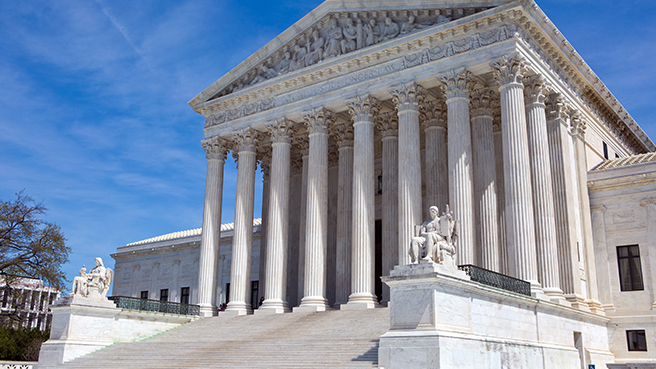
In a unanimous decision earlier this week, the Supreme Court ruled that protections afforded by the Dodd-Frank Act to “whistleblowers” – employees who report suspected violations of securities laws – apply only to reports to the SEC, not employees’ internal reports of misconduct to their supervisors. In other words, the Court narrowed the protection against retaliation to exclude employees who only inform company management about their suspicions.
Prior to the Supreme Court’s ruling, the SEC interpreted whistleblower protections under Dodd-Frank more broadly. The case before the Supreme Court, Digital Realty Trust, Inc. v. Somers centered around employee Paul Somers, who told senior management he suspected that Digital Realty was violating certain securities laws, and was subsequently terminated. In its decision reversing the Ninth Circuit, the Court reasoned that the text of Dodd-Frank expressly defines “whistleblowers” as those who alert the SEC of their suspicions of fraud. Authoring the opinion, Justice Ginsburg explained that the Court’s ruling is in line with Congress’ intention “to motivate people who know of securities law violations to tell the SEC.”
The Court’s decision will likely result in fewer retaliation claims under Dodd-Frank, which may ultimately be good news for employers. However, because the decision encourages employees to go directly to the SEC with any suspicions of wrongdoing, it may also hinder employers’ ability to investigate reports internally and correct any issues before the government gets involved.
It also remains to be seen how the Court’s decision will affect the number of whistleblower actions on a wider scale, as employees who blow the whistle internally are still protected against retaliation under the Sarbanes-Oxley Act and other federal and state statutes.