

Yesterday the U.S. Patent and Trademark Office announced a new pilot program to help fight fraudulent trademark applications. Specifically, the new program addresses situations where the applicant provided the USPTO with a fraudulent specimen to demonstrate use of the trademark.
Only a narrow subset of fraudulent applications would be vulnerable to a claim under this pilot program. One example could include the whiskey specimen shown below.
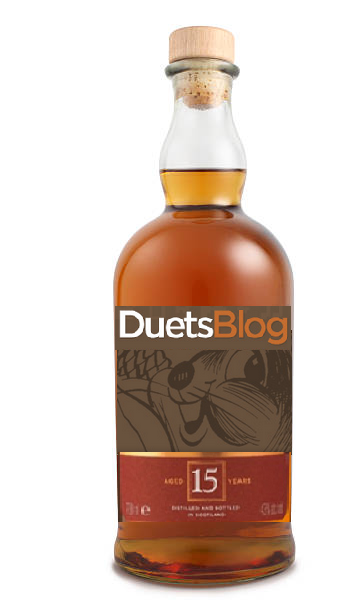
Based on the name alone, I assume this is some high quality booze. However, it might surprise you to learn that this is not a real bottle of whiskey. I just created it using it in MS Paint (cue mindblown gif).
Most attorneys understand that submitting this as a specimen would constitute fraud on the USPTO. However, not all individuals and companies understand the use requirements for obtaining trademark protection in the U.S. Some may mistakenly believe that registering a trademark is merely a ministerial act, requiring only a picture of how the applicant plans to use a trademark. Others might understand the requirement, but simply don’t care about the legal ramifications of submitting a fraudulent specimen.
It is not unsurprising that many fraudulent specimens come from foreign countries and, in particular, individuals in foreign countries. A real life example of a possibly fraudulent specimen was submitted for this application, and is shown below.
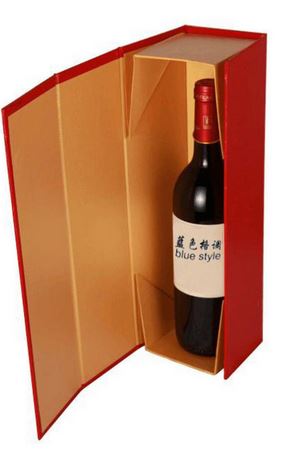
Based on the lack of information on the label and the positioning of the wording, it appears that the applied-for mark was digitally added to the image. This is an example of the type of fraudthat can be submitted through the new pilot program.
The full details of the pilot program are available here. The basic details include:
- Eligibility: the allegedly fraudulent specimen “is potentially not in actual use, but has instead been created for the purpose of submission to the USPTO as a specimen.”
- Evidence: Supporting evidence must include either (1) references to prior registrations or applications that show the same “mock up” or digital specimen with different marks (i.e., a company has applied to register five trademarks for whiskey, and submitted five version of the same mock up imagine but with different marks; (2) evidence showing use of the same digital image from a third-party on a website, advertisement, or other publication that shows that the alleged fraudster merely deleted wording and added its own mark.
- Reporting procedure: an email must be sent to the USPTO.gov email addressed identified in the Pilot Program instructions. There is not a formal online submission form. The email must include “Duplicative Specimens — [Serial Number]” in the subject line, provide any additional serial numbers in the body, and include the supporting evidence.
- Timing: The USPTO will consider evidence sent prior to the opposition deadline, or likely any time if the application has not yet been approved for publication.
The program is narrowly tailored, but will certainly be helpful to address some of the most egregious cases of fraud. These types of fraud may also be difficult to uncover before the end of the publication period. Nonetheless, it is encouraging to see the USPTO institute programs like this, as it allows the USPTO to help combat fraud within the applicable statutory constraints.