

 Guest post by John M. Miller, Esquire, Stockholder in Henderson Franklin’s Tort & Insurance Litigation Group
I recently spoke on the topic of “Establishing Social Media Policies, Contracts and Legal Advice for PR Professionals” to members of the Gulf Coast Chapter of Public Relations Society of America (PRSA) in Naples. Social media continues to be a hot topic for employers and thought it would be good to share a few items that were discussed.
In the Beginning
Under the Obama administration, the National Labor Relations Board (NLRB) developed an employee-favored social media policy. The NLRB broadly protected private employees in their social media activity. Private employees could not be fired or punished for posting certain information on social media. Specifically, private employees are permitted to engage in “concerted activity” which is a fancy term for discussing their working conditions on social media. But, what does it really mean?
What exactly may an employee say about his or her work on social media without being reprimanded or disciplined?
Generally, the NLRB will look at a few factors to tell if employees are engaged in “concerted activity,” and would then be protected in what they post on social media.
Usually, an employee will be protected if posting publicly or discussing with another employee the terms, conditions, or privileges of their employment, which means wages, working conditions, and/or benefits. This is a very broad and very “gray” standard, and it is sometimes difficult to tell what constitutes “concerted activity.” Take the following two examples:
- An administrative law judge found it might have been protected activity under the NLRA for an employee to mock his employer’s sales event and say the employer used “semi fresh apples” and a “$2.00 cookie plate” to advertise a luxury car. In finding that these comments could be protected, the judge noted that the post involved co-workers who were concerned about the effect of the low-cost food on the image of the dealership and, ultimately, their sales and commissions.
- The NLRB did draw the line when the same employee posted photos and details about a truck accident that happened at a competing dealership, because the post did not even mention his employer, and clearly was not focused on his employment conditions. As such, this was not protected concerted activity.
Social Media Protection for Public Employees
It is important to remember that the NLRB does not regulate public employees’ social media use. However, public employees can be protected under the First Amendment in their social media posts, but public employees may not show bias or discrimination in their social media posts because they have the duty to serve all people in the community.
What’s Next?
The Trump administration has taken hold of the NLRB. In doing so, the NLRB is already transitioning back to a more employer-focused approach. This article from the ABA offers a good explanation of some of these initial changes. Though some of the Obama-era NLRB decisions remain, it is clear the Trump NLRB will continue to issue decisions that are more favorable to employers with respect to concerted activity, social media posts, and employee handbook policies. I am certain this is a welcome change for employers and HR professionals, after years of head-scratching at some of the Obama NLRB decisions.
About the Author John Miller
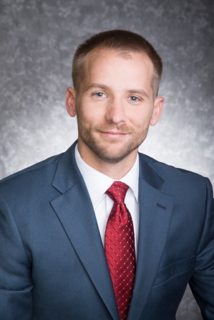 John focuses his litigation practice in tort and insurance defense, municipal and governmental liability defense, and professional negligence defense. He also speaks and writes frequently before public and private associations on matters of social media and technology in litigation.
John is very active in the community and is a member (and former Chair) of the Child Care of Southwest Florida Board of Directors. He also serves as the Young Lawyer Director on the Florida Defense Lawyers Association Board of Directors and is a former member of the Florida Bar, Young Lawyers Division, Board of Governors. He is a former member of the Foundation for Lee County Public Schools Board. John may be reached at john.miller@henlaw.com or by phone at 239-344-1310.