

Analysis
Atlantic magazine’s Sarah Zhang may have best captured what went on last month at the Food and Drug Administration’s public meeting on animal cell culture technology.
“This is a war of words, with each one chosen to evoke specific associations.” Zhang wrote. “And it is a war to define lab-grown meat as either the exciting future of food or a freak science experiment.”
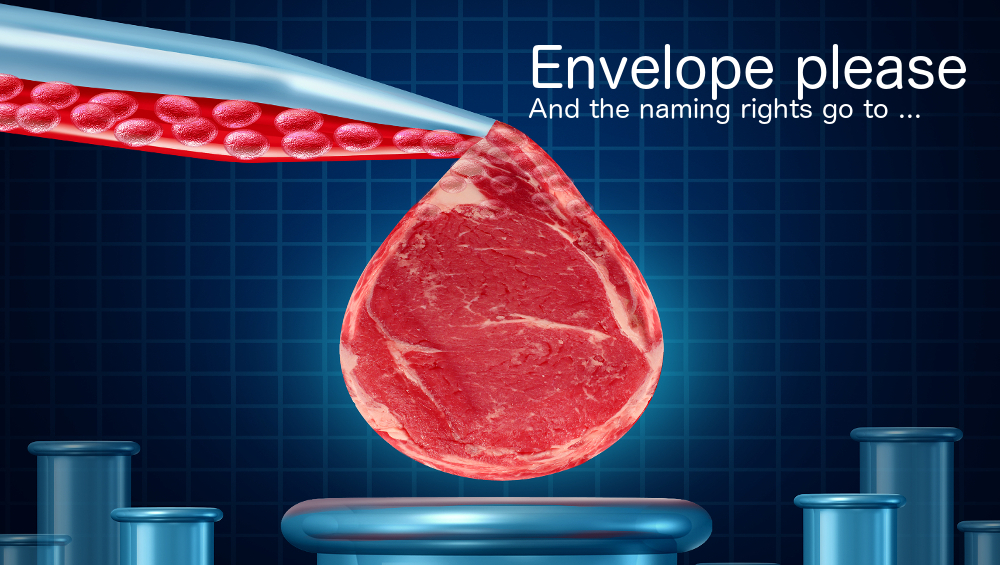
And it’s a war of words that has only just begun. Are we going to call it cultured, clean, craft, fake or something else entirely? And who decides?
Ever since animal cell culture technology produced the world’s most expensive hamburger in London five years ago, the day when commercial scale production of cultural meat, poultry or seafood has been fast approaching. The technology involves growing cultured meat from animal tissue under laboratory conditions.
FDA’s July meeting was the first time the agency put its paddle in these waters. “Food Produced Using Animal Cell Culture Technology” was the official topic of the public meeting. FDA invited comments around these questions:
- What considerations specific to animal cell culture technology would be appropriate to include in the evaluation of food produced by this method of manufacture?
- What kinds of variations in manufacturing methods would be relevant to safety for foods produced by animal cell culture technology?
- What kinds of substances would be used in the manufacture of foods produced using animal cell culture technology and what considerations would be appropriate in evaluating the safety of these uses?
- Are the hazards associated with the production of foods using animal cell culture technology different from those associated with traditional food production/processing (such as, for example, unsanitary conditions, improper temperature controls, or control of contaminants)?
- Is there a need for different control measures to address the hazards associated with the production of foods using animal cell culture technology?
While about 400 packed FDA’s public meeting, less interest in being shown in the ongoing opportunity to comment on the safety of foods produced by using animal cell culture techniques which will still be accepted here until September 25, 2018.
The meat and poultry industries are taking FDA’s public process as an attempt by the agency to become the federal government’s primary regulator of animal cell culture technology. Outside of the FDA’s process, meat and poultry organizations are asked President Donald J.Trump to put the regulation of any cell-cultured protein products under USDA’s Food Safety and Inspection Service.
A letter making that case was sent to the President signed by representatives of the American Farm Bureau, Amercian Sheep Industry Association, National Cattlemen’s Beef Association, National Chicken Council, National Pork Producers Council, National Turkey Federal, and the North American Meat Institution.
“Cell-cultured protein products that purport to be meat or poultry should be subject tot he same comprehensive inspection system that governs other amendable meat and poultry products to ensure they are wholesome and safe for consumption, and to ensure they are labeled and marketed in a manner that provides a level playing field in the marketplace,” the letter to Trump says.
If the naming rights come with the regulatory arena assignment for animal cell culture technology, that decision could be a huge one. But it’s just too early to tell as this battle has only just begun.
(To sign up for a free subscription to Food Safety News, click here.)