

There’s not a fight over space in the meat counter, yet. But you would not know it from two conferences scheduled just after Labor Day.
Ranchers by the hundreds are set to gather Sept. 5-6 at the Big Horn Resort near Billings, MT, for the Cattle Producer’s Forum. The traditional protein producers will be focused on combatting “the rising trend” of plant-based and lab-grown protein alternatives.
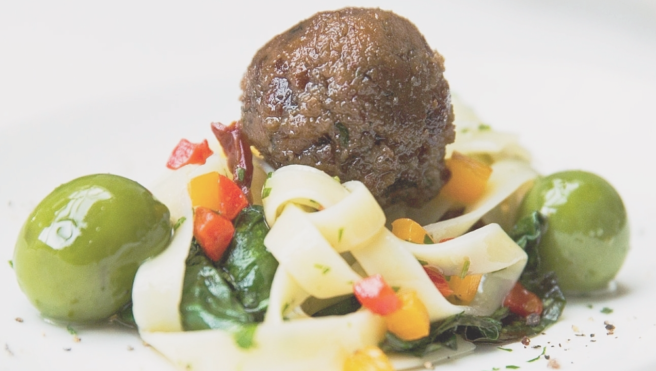
Overlapping with the cattle forum is the sold-out inaugural Good Food Conference, scheduled for Sept. 6-7 at Clark Kerr Conference Center at the Unversity of California-Berkeley. It’s being promoted as “the only event in the world focused on accelerating the commercialization of plant-based and clean meat.” That’s meat grown from animal cells, which is sometimes referred to as cultured meat or lab-grown meat, according to organizers.
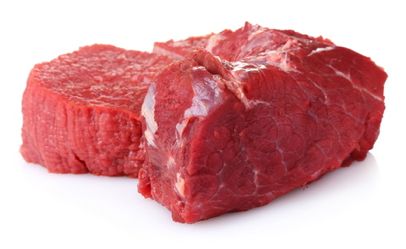 For the cattle ranchers, it’s their steak that is at stake. They are preparing for a war to protect their income from being picked off by billionaires like Bill Gates, who says plant-based meat is “the future of food.”
Sweetgrass, MT, cattle rancher Maggie Nutter believes the likes those gathering at UC-Berkeley want to eliminate animal agriculture. She traveled to Washington D.C. in July to testify against the clean meat lobby on behalf of the U.S. Cattlemen’s Associaton, which is sponsoring the forum in Montana.
The Good Food Institute (GFI), the sponsor of the California conference, is not hiding its goals. Its officials say the institute wants to use “markets and food technology to transform our food system away from factory-farmed animal products and toward clean meat and plant-based alternatives.”
 This past month, the Food and Drug Administration listened to comments about labeling for plant-based alternatives to traditional meats. After that meeting, FDA Commissioner Scott Gottlieb announced the agency is reviewing labeling for milk alternatives.
“Many of these plant-based foods use traditional dairy terms – e.g., milk, yogurt, cheese – in the name of the product,” Gottlieb said in the published announcement.
“For instance, we’ve seen a proliferation of products made from soy, almond or rice calling themselves milk. However, these alternative products are not the food that has been standardized under the name ‘milk’ and which has been known to the American public as ‘milk’ long before the 1938 Federal Food, Drug, and Cosmetic Act (FD&C Act) was established. In addition, some of these products can vary widely in their nutritional content – for instance in relation to an inherent protein or in added vitamin content – when compared to traditional milk.”
Both the Billings and Berkeley conferences are loading up with presenters billed as industry leaders and thought influencers to help the respective camps prepare for the coming battle.
“We’re gathering the pioneers of a new meat revolution that could solve some of the world’s biggest problems, from climate change to antibiotic resistance,” says GFI Executive Director Bruce Friedrich. “We have the technology and will, and now through collaboration and knowledge-pooling, we are accelerating this transformation. We are building a new food system, and the future of meat is insanely bright.”
(To sign up for a free subscription to Food Safety News, click here.)