

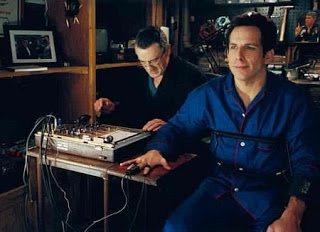
Lie detector tests, have been all over the news lately. Reports suggest that Donald Trump wants to administer these examinations to the entire White House staff to identify the author of the anonymous New York Times op-ed.
There are no laws prohibiting the White House from using polygraphs in this manner. The federal law that regulates their use in the workplace—the Employee Polygraph Protection Act of 1988—does not apply to the government.
For private-sector employers, however, the EPPA imposes strict prohibitions on the use of any device to render a diagnostic opinion as to the honesty or dishonesty of an individual.
- Requiring, requesting, suggesting, or causing an employee or prospective employee to take or submit to any lie detector test.
- Using, accepting, referring to, or inquiring about the results of any lie detector test of an employee or prospective employee.
- Discharging, disciplining, discriminating against, denying employment or promotion, or threatening to take any such action against an employee or prospective employee for refusing to take a test, on the basis of the results of a test, for filing a complaint, for testifying in any proceeding, or for exercising any rights afforded by the EPPA.
Despite these strict prohibitions, there are limited exceptions when an employer can administer a polygraph test (but not other forms of lie detector tests).
One exception covers prospective employees of armored car and other similar security companies. Another covers prospective employees of companies that manufacture controlled substances.
Of more general application to most employers, the third exception covers employees who are reasonably suspected of involvement in a workplace incident that results in economic loss to the employer and who had access to the property that is the subject of an investigation. Thus, an employer who reasonably believes that an employee has stolen is able to administer a polygraph to confirm the employee’s culpability.
Even if this exception applies, employers cannot use polygraphs carte blanche. There are certain key limits on their administration:
- Prior to the polygraph examination, the employer must provide to the to-be-examined employee a written notice
- explaining the employee’s rights and the limitations imposed, including the prohibited areas of questioning, restrictions on the use of test results, and the employee’s right to file a complaint with the
Department of Labor alleging violations of EPPA; - explaining the specific incident or activity being investigated and the basis for the employer’s reasonable suspicion of the employee’s involvement;
- reasonably describing the date, time, and place of the
examination and the employee’s right to consult with legal counsel or an
employee representative before each phase of the test; and - describing the nature and characteristics of the polygraph
instrument and examination. - The employee can refuse to take a test, terminate a test at any time, or decline to take a test because of a medical condition.
- The results of a test alone cannot be disclosed to anyone other than the employer or employee without their consent.
- The polygraph examiner must be licensed, and bonded or insured. Also, the examination is subject to strict conduct standards.
Employers that violate the EPPA are subject to a civil money penalty of $20,521 per violation, in addition to legal and equitable relief such as lost wages and reinstatement, and, in the case of a private civil lawsuit, reasonable costs and attorneys’ fees.
Polygraph examinations provide employers a powerful tool to confirm and confront employee certain limited employee issues. Employers must carefully follow the EPPA’s requirements so that a slam dunk termination does not turn into a sure-fire lawsuit for the employee.


