Let’s all hope that the Supplemental Trademark Register is not on the death watch.
It appears though to be on life support, at times, and especially with the USPTO’s heightened focus on “merely informational” matter, including laudatory messages.
This is a common basis for registration refusal nowadays: “Merely informational matter fails to function as a mark to indicate source and thus is not registrable.”
Don’t all valid trademarks communicate information? Exactly. How does the USPTO know when at least one of the bits of that information is not about the source?
It cannot be fatal to validity that a mark communicates more information than simply source, see a suggestive mark or a descriptive one that has become distinctive.
Although not a laudatory example, the first precedential decision from the TTAB in 2019 denied Wal-Mart’s application on the Principal Register, for INVESTING IN AMERICAN JOBS, a slogan for retail store services, calling it “merely informational,” incapable as a mark:

Wal-Mart recognized that its claimed mark communicated descriptive information, yet it argued that its evidence was sufficient to show acquired distinctiveness.
What’s striking about the Wal-Mart decision is that evidence of descriptiveness was used to support the fatal conclusion that the slogan can never function as a mark.
It relied on a series of prior cases holding certain phrases incapable of functioning as marks (THINK GREEN, GUARANTEED STARTING, DRIVE SAFELY, and others).
It used evidence typically supportive of a descriptiveness refusal to say that Wal-Mart’s slogan would not be perceived as a mark to indicate the source of services.
It also pointed to several examples like “ONCE A MARINE, ALWAYS A MARINE,” “PROUDLY MADE IN THE USA,” and “THE BEST BEER IN AMERICA,” as merely informational or laudatory slogans, incapable of serving a trademark purpose.
Laudatory terms long have been considered merely descriptive (not generic) for the provided goods or services, so they’re ideally suited for the Supplemental Register.
The Supplemental Register exists as a holding cell for merely descriptive phrases not yet distinctive, but capable of becoming distinctive, maybe at some future time.
Incapable matter — subject matter that cannot serve as a trademark — like generic terms and phrases are impossible and hopeless of ever functioning as a valid mark.
TMEP 1202.04(a) actually blends laudatory and informational: “Matter that only conveys general information about the applicant’s identified goods or services, including highly laudatory claims of superiority, fails to function as a mark.”
So, now we’re going to differentiate between garden variety laudatory claims that are descriptive, and “highly laudatory claims of superiority” — the latter being incapable, and the former holding out some hope of having at least a chance?
This unfortunate approach is reminiscent of the widely criticized approach of the “so highly descriptive” category as to be incapable of serving a trademark purpose.
All the way back in 1989, I went on the record, questioning the “so highly descriptive as to be incapable” line of cases in “Putting the Cart Before the Horse in Assessing Trademark Validity — Toward Redefining the Inherently Generic Term,” published in the University of Iowa College of Law’s Journal of Corporation Law.

The problem with the “so highly descriptive” category is it treats descriptive matter as incapable and generic without the rigors of an actual genericness determination.
The poster (or coaster) child for the eerily similar approach is the Federal Circuit’s 1999 decision rejecting Sam Adam’s THE BEST BEER IN AMERICA slogan as incapable, blurring the distinction between descriptive and generic designations:
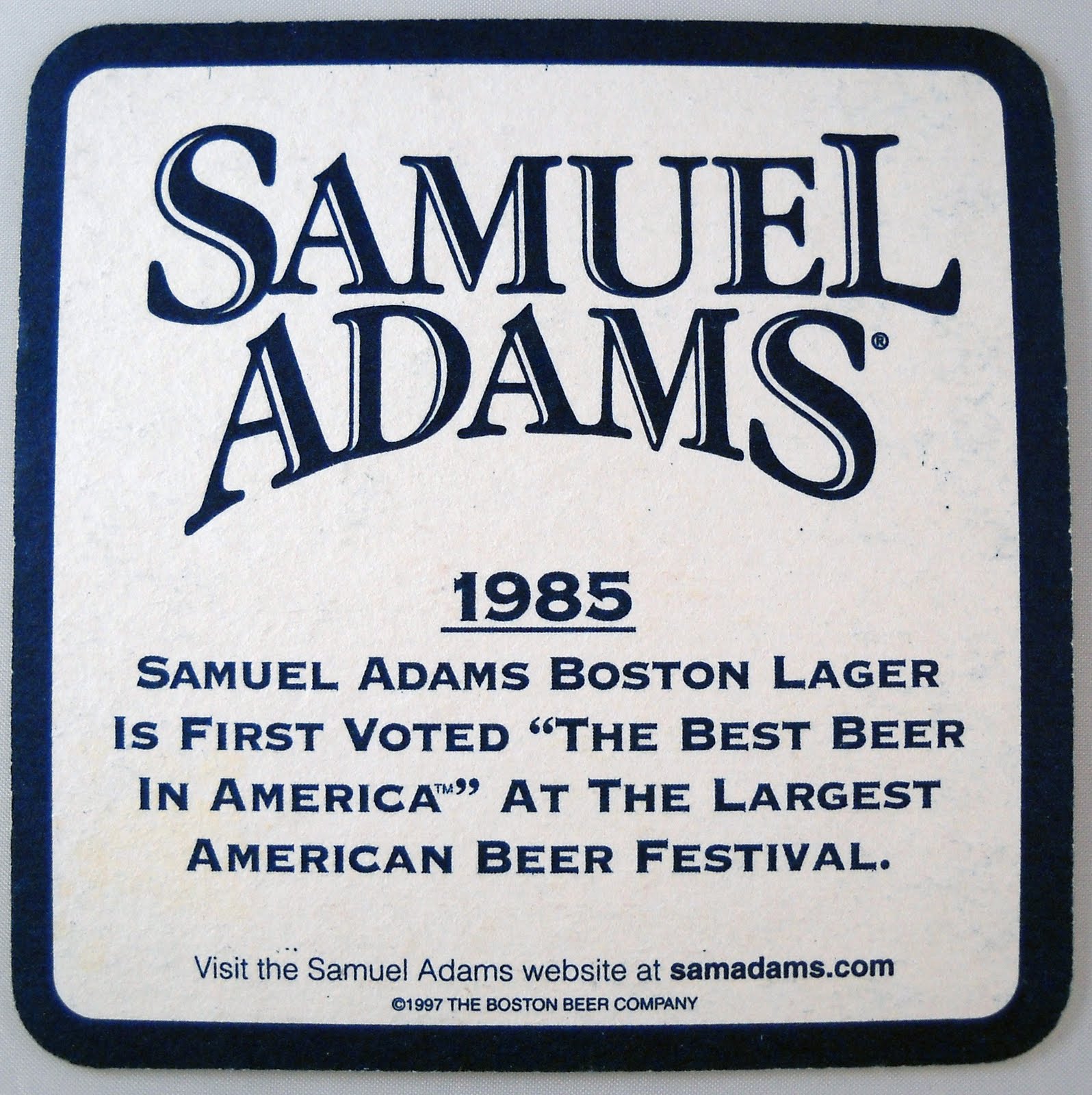
In that decision, Sam Adams had “not met its burden to show” that the slogan THE BEST BEER IN AMERICA for beer, had acquired distinctiveness/secondary meaning.
Had the TTAB and Federal Circuit stopped there, fair enough, doing so would have allowed Sam Adams to seek a Supplemental Registration and try again later (with more evidence of acquired distinctiveness) for a coveted Principal Registration.
But instead, both the TTAB below and the Federal Circuit on review, went on to editorialize that no amount of evidence could ever turn THE BEST BEER IN AMERICA into a trademark, not because it’s generic, but because it’s incapable.
That’s what courts routinely said about single color marks, they’re impossible and incapable of serving a trademark purpose, until Owens Corning came along with the Pink Panther, to reverse decades of thinking against single color trademarks.
And, if “highly laudatory claims of superiority” are actually incapable of a trademark purpose and outside the possible definition of a trademark, then how can Principal Registration of AMERICA’S BEST BEER DRINKING CITY be explained, or these?


Let’s be honest, since the stated test is really to discern how the claimed mark would be perceived by the relevant public, too easily dismissing evidence going to that question, doesn’t help and starts to feel more like an impossible shell game.
I’d rather see the evidence of descriptiveness (which provides information) used to support a descriptiveness refusal, allow a Supplemental Registration, then the USPTO can wage the real evidentiary battle with claims of acquired distinctiveness.
Last week was an incredible opportunity to share some of these thoughts in NYC with those attending Practicing Law Institute’s Advanced Trademark Law 2019 seminar, thanks to PLI, Kenneth Min, and co-chairs Kieran Doyle and Dean Eyler!
In the end, let’s all hope that the USPTO reins in its hyper-focus on expanding the “merely informational” and outcome-determinative category of incapable subject matter, so we don’t have to kiss the Supplemental Register goodbye.
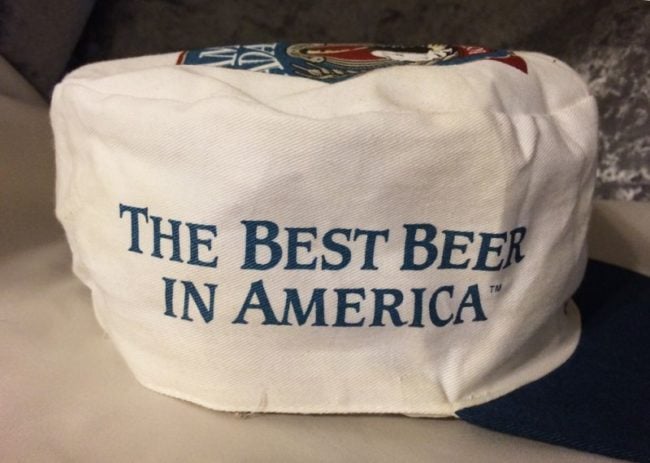
Additional hat tip to Sam Adam’s and its vintage painter’s cap: