

A ban has been extended in Europe on some shellfish from Turkey until the end of 2023.
The European Commission made the decision despite a favorable on-paper assessment of measures taken by Turkish authorities.
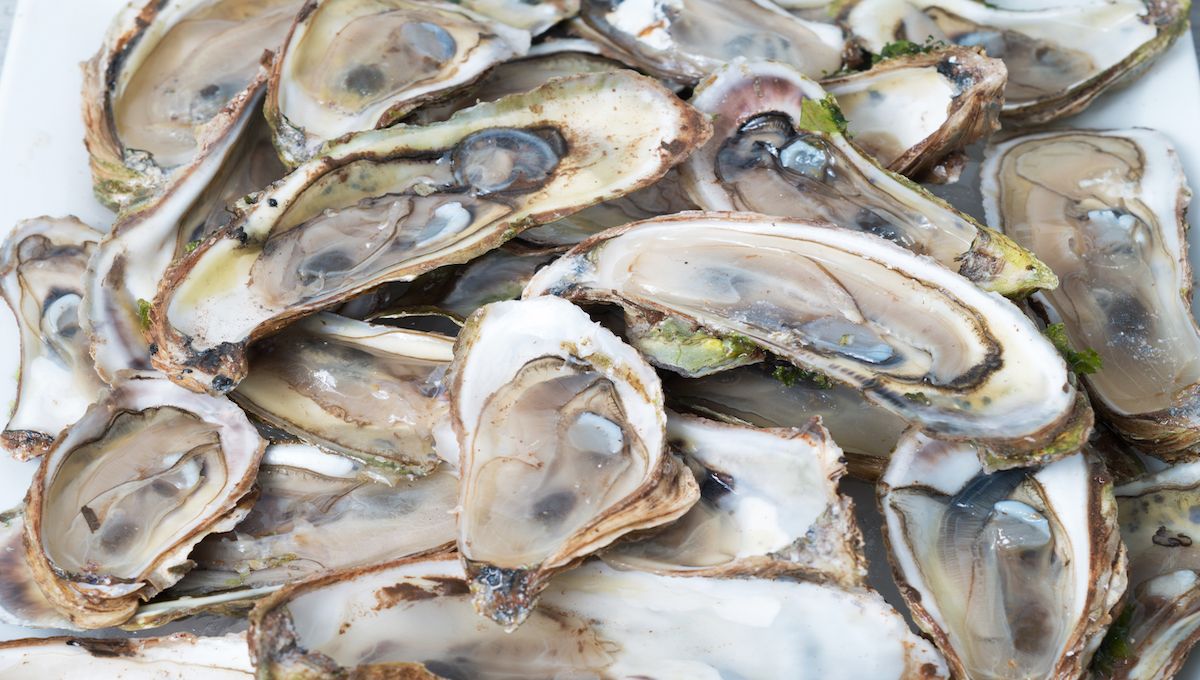
It means imports of live and chilled bivalve mollusks, such as clams, oysters and mussels, originating in or dispatched from Turkey are not allowed. This is in part because of their very short shelf life ruling out testing at the EU border.
Frozen bivalve mollusks from Turkey are permitted subject to testing for E. coli and frozen and processed mollusks have to undergo sampling for the presence of marine biotoxins.
Measures were taken initially as EU Commission audits identified deficiencies in the official controls by Turkish authorities on the production of bivalve mollusks intended for Europe, and because member states reported non-compliant consignments originating in Turkey which were not meeting microbiological standards.
Unable to verify proposed actions
The last audit in September 2015 found that significant deficiencies in the control system remained. Concerns were also raised about the performance of official control laboratories.
In January 2020, Turkish authorities sent information on corrective measures to address the problems. This was assessed favorably on paper but an in-person audit to verify implementation has not been possible yet due to the COVID-19 pandemic restrictions. Until findings from this audit have been considered, the measures set in EU regulation remain in place.
Consignments must stay under supervision of the authorities at the involved border control post until results of the tests are received and assessed.
If this shows the product poses a risk to human health, the authority shall seize and either destroy the consignment or subject it to a special treatment.
All expenditures incurred by EU countries in applying the rules shall be charged to the operator or the representative responsible for the consignment when it is presented at the EU border control post.
(To sign up for a free subscription to Food Safety News, click here.)