

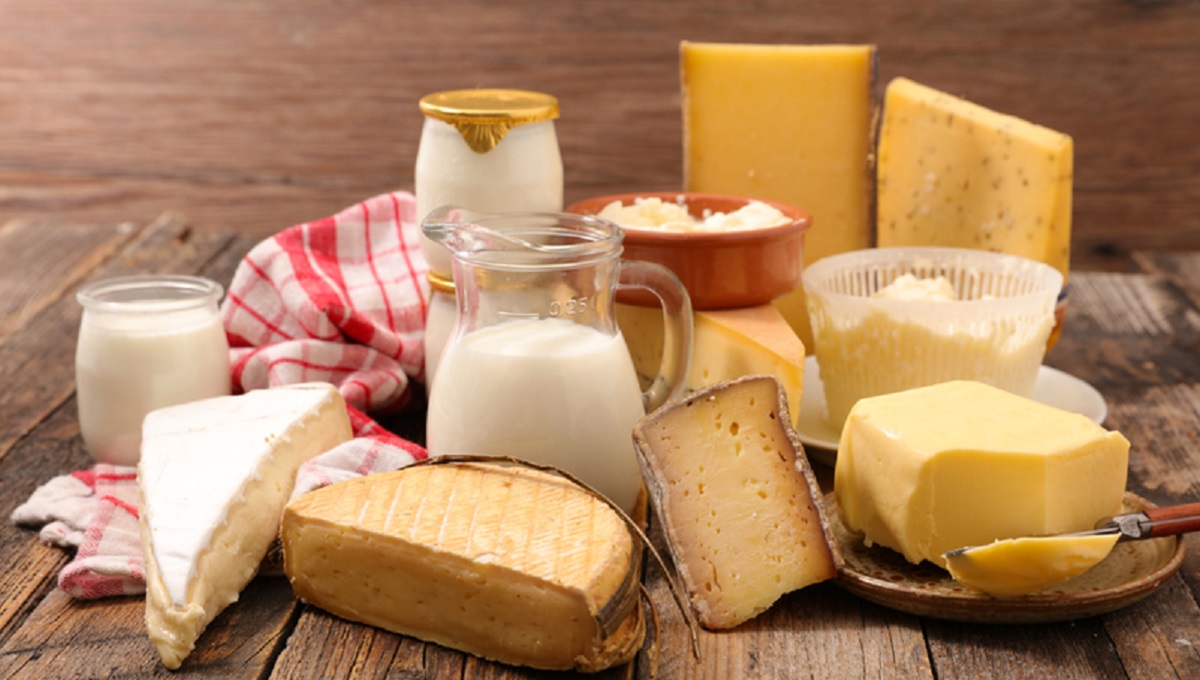
High Brucella contamination rates have been found in ricotta, cheese, and raw milk samples in Tunisia, posing a serious risk to consumers.
A study investigated the occurrence of Brucella in 200 raw milk, ricotta, and artisan fresh cheese samples, collected from four districts in Tunisia. Results are based on Brucella DNA detection and don′t differentiate between live or dead bacteria.
Brucellosis is a significant public health threat for urban and rural populations of endemic countries, particularly the Middle East and North Africa region as the trade of unpasteurized milk and raw dairy products is widespread, according to the study published in the journal Foods.
Samples were purchased from 75 retail marketing points for dairy products from March to November 2019. Forty samples of cow’s raw milk, 102 of artisanal fresh cheese, and 58 of ricotta were collected. The fresh cheese and ricotta samples were made from unpasteurized cow′s milk. All products were not packaged and had no indication they had been inspected by any Tunisian organization involved in food safety.
High contamination rates
The DNA of Brucella was found in 150 of 200 samples, Brucella abortus was detected in 47 samples, and Brucella melitensis in eight. Almost half of the tested products had both species, while 21 were not Brucella abortus or melitensis.
Scientists said milk pooling is the main source of the double-contamination. Pooling of milk at the farm and at collection centers is a routine procedure in Tunisia.
Researchers found that 86.2 percent of ricotta, 69.6 percent of fresh cheese, and 72.5 percent of milk samples were positive. Brucella contamination rates in the different districts were 94 percent in Tunis, 86 percent in Bizerte, 74 percent in Zaghouan, and 46 percent in Beja.
The sampling period was from early spring to late fall, because it coincided with an overproduction of milk and an increase in dairy product consumption, particularly during the month of Ramadan. Spring and fall are the lambing seasons in Tunisia plus there are higher temperatures. Human and animal brucellosis are both reportable diseases in the country.
Cross-contamination may also play a role in the spread of Brucella. As well as pooling of milk, use of the same milking equipment, containers, and utensils without washing and sterilization measures and vendors using the same knives to cut cheese and ricotta and the same pitcher to measure milk might increase the likelihood of cross-contamination between the different products, according to the study.
Researchers said the findings should draw attention to the urgent need to revise the surveillance system and to implement control programs to limit and prevent brucellosis infection in ruminant herds.
“Brucellosis infection through the consumption of dairy products is a serious hazard with great public health significance. Our study provides evidence of the high contamination rates with Brucella DNA and the distribution of Brucella species in unpasteurized artisanal dairy products,” researchers concluded.
(To sign up for a free subscription to Food Safety News, click here.)