

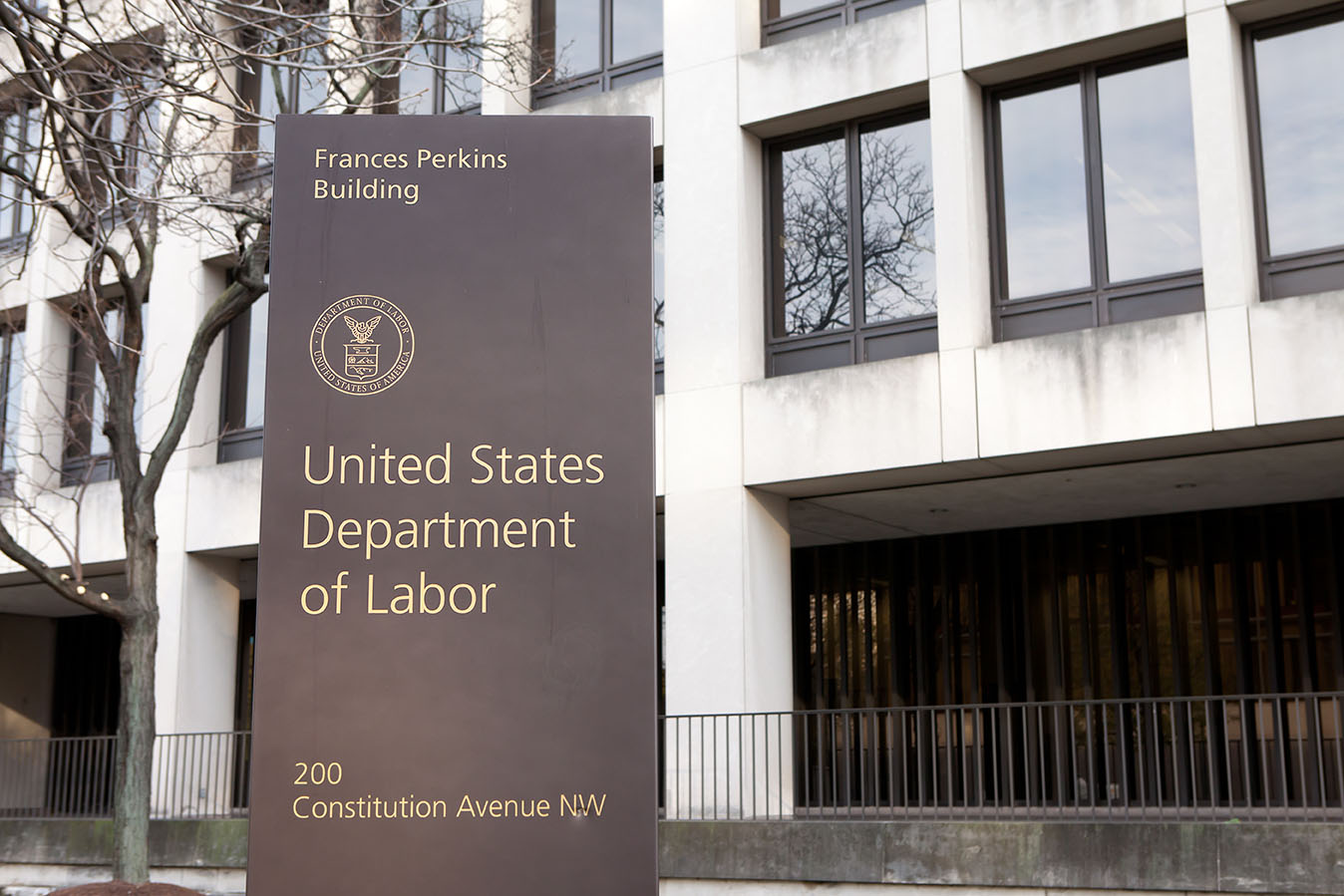
Since the pandemic, companies across the nation have been dealing with the issue of remote work, from many perspectives, but amongst the most important, the wage-hour perspective of how to pay people properly. The USDOL recently issued guidance on this subject in the form of Field Assistance Bulletin 2023-1 (“FAB”) which has given guidance on this crucial issue. This is important for employers because now there is a definitive set of principles that they can govern their conduct by.
The law requires that workers be paid for all time (hours, minutes) that they are working, whether in the office/factory or at home. “Work” starts when an employee begins his principal activities and ends when those principal activities end, whether matching the hours of the shift or not (e.g., overtime). There are also occasions when a preliminary or postliminary activity, which is directly connected to the main job, also are “converted” to working time. Whether someone is home or not does not alter these inviolate precepts.
The FAB simply affirms that these concepts apply to remote workers. They are entitled to compensation for breaks that are less than twenty (20) minutes in length or for lunch breaks that are less than a full thirty (30) minutes. The issue becomes how to track that time and ensure that employees do not overstay lunches and breaks. The FAB gives the example of a remote worker who sets out to take his lunch and is interrupted by phone calls. Such a situation would prompt a requirement to pay for a missed lunch. At the same time, an employee who sets his own routine and takes a child to school, for a period lasting longer than twenty minutes, would not be entitled to compensation for that period of time.
The FAB also addressed the issue of compensability for lactation time. The FAB noted that the FLSA mandated a reasonable amount of time and a private place be allowed for lactating mothers. The guidance observed that these protections applied equally to mothers working at home. The FAB stated that employers were not required to pay workers for this time, assuming there was a total absence of work being done. With that said, the FAB stated that if a lactating mother was working (e.g., on a conference call) while expressing milk, that time was working time and required payment.
The Takeaway
It is clear now that working from home (or someplace else) is a staple of American industrial life. That does not relieve the employer from monitoring time and paying proper overtime. There is only one way, really, to do this. Install or implement a time keeping system that puts the onus on remote workers to accurately record/track their time. If they do not, counsel them and then, if need be, discipline them.
Or the DOL (or a plaintiff) might “discipline” the employer….