

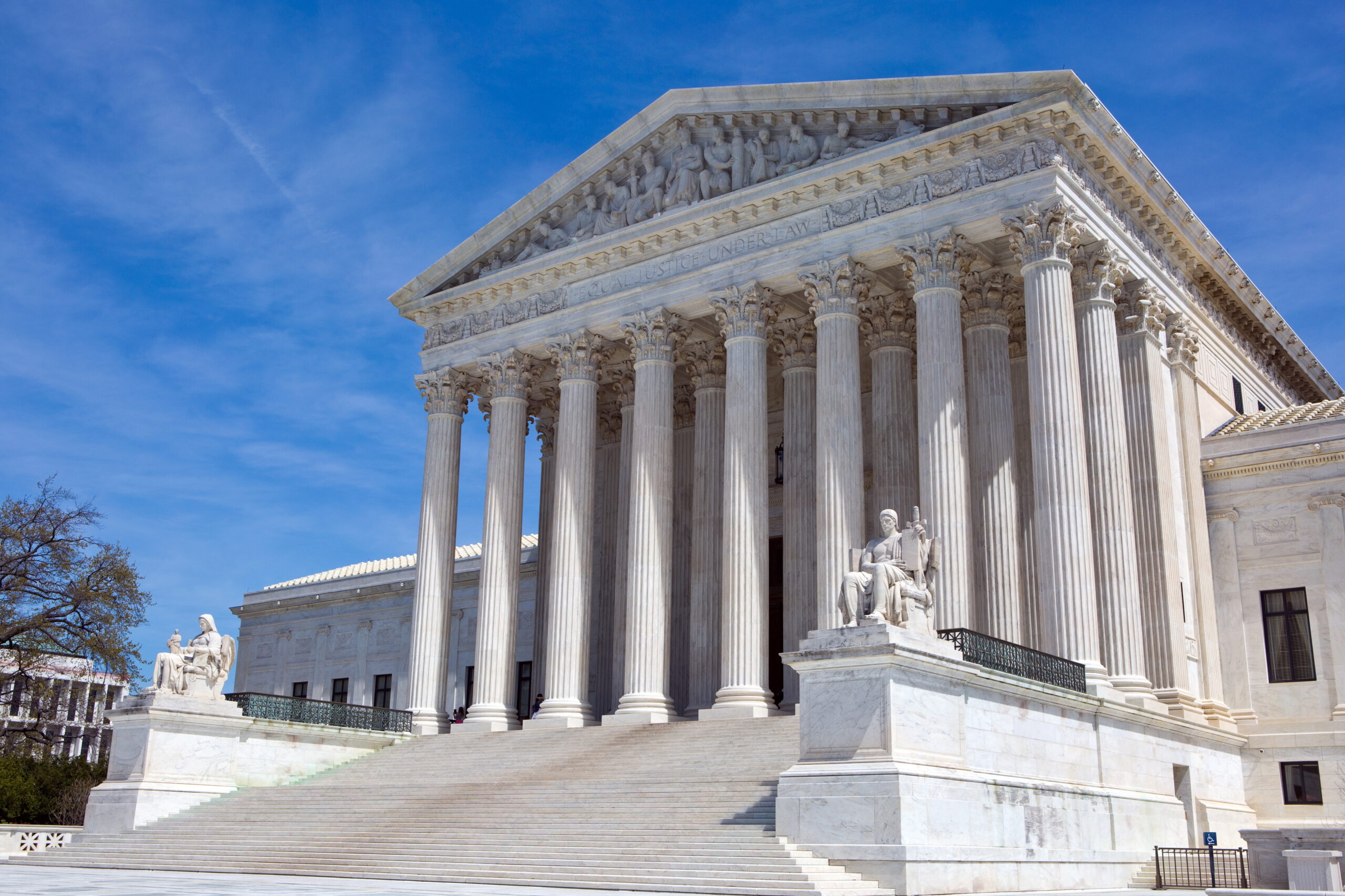
On Thursday, June 1, 2023, the U.S. Supreme Court, in an 8-1 decision, held that the National Labor Relations Act does not prevent an employer from suing a labor union in state court for alleged intentional destruction of property during a strike. In Glacier Northwest, Inc. v. International Brotherhood. of Teamsters Local Union No. 174, the company filed a lawsuit in state court in Washington alleging that the union coordinated with truck drivers to time their strike so mixed concrete would harden and potentially damage the company’s trucks. The Washington Supreme Court held that the National Labor Relations Act preempted state law and blocked the lawsuit from proceeding. The U.S. Supreme Court reversed.
The majority, in an opinion authored by Justice Amy Coney Barrett, focused on the union’s duty to take precautions to protect against damage to Glacier’s property. “The National Labor Relations Board has long taken the position . . . that the [National Labor Relations Act] does not shield strikers who fail to take ‘reasonable precautions’ to protect their employer’s property” at the beginning of a strike. The Company alleged that the union did not take reasonable precautions to mitigate foreseeable danger to company property, and that it executed the strike in a manner designed to destroy the concrete and damage the trucks. Justice Barret wrote that “[s]Such conduct is not ‘arguably protected’ by the NLRA; on the contrary, it goes well beyond the NLRA’s protections.”
The Supreme Court’s decision, however, might be more notable for what it did not do. Many observers believed that the Court, now with a solid conservative majority, might use this case to overhaul or abandon the concept of federal preemption, which dates back to the 1959 Supreme Court decision in San Diego Building Trades Council v. Garmon. So-called “Garmon preemption” preempts state and local efforts to regulate conduct when that conduct is arguably protected or prohibited by the National Labor Relations Act. The Supreme Court’s decision on Thursday leaves that doctrine intact. At least for now, Justices Thomas and Gorsuch drafted a concurring opinion to state that they are willing to reconsider Garmon’s broad preemption doctrine.