

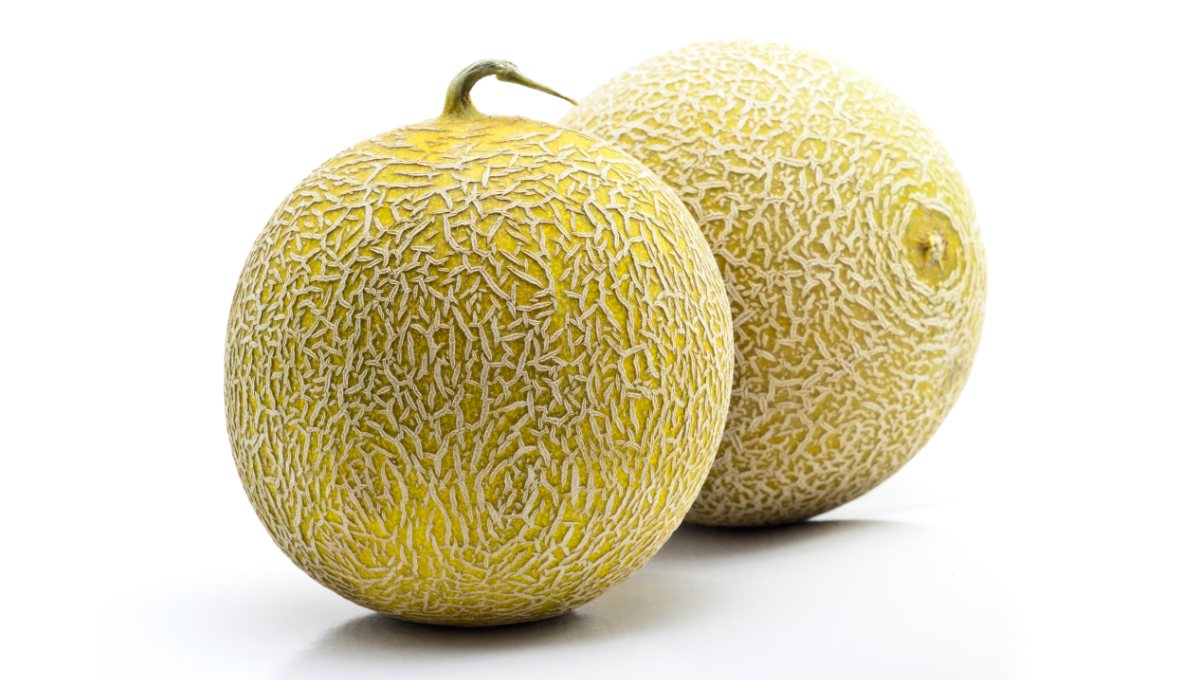
Gordon Food Services and North American Produce Sales are recalling Kandy brand cantaloupe because of Salmonella contamination.
This recall follows another recall by Eagle Produce LLC in the U.S. of Kandy brand cantaloupe because of potential Salmonella contamination.
According to the Canadian Food Inspection Agency (CFIA), the recalled product was distributed in British Columbia, Manitoba, Ontario and Saskatchewan, Canada.
Recalled products:
| Brand | Product | Size | Code on Product | UPC |
| Fresh Start Foods | Cantaloupe | 3 Count | Julian: 258, 261, 262, 263, 264, 265, 268, 269, 270 | Contains: 6 20868 12079 7 |
Hotels, restaurants, institutions, retailers and consumers should not use, sell, serve or distribute the affected product.
About Salmonella infections
Food contaminated with Salmonella bacteria does not usually look, smell, or taste spoiled. Anyone can become sick with a Salmonella infection. According to the CDC, infants, children, seniors, and people with weakened immune systems are at higher risk of serious illness because their immune systems are fragile.
Anyone who has eaten any of the recalled cantaloupe and developed symptoms of Salmonella infection should seek medical attention. Sick people should tell their doctors about the possible exposure to Salmonella bacteria because special tests are necessary to diagnose salmonellosis. Salmonella infection symptoms can mimic other illnesses, frequently leading to misdiagnosis.
Symptoms of Salmonella infection can include diarrhea, abdominal cramps, and fever within 12 to 72 hours after eating contaminated food. Otherwise, healthy adults are usually sick for four to seven days. In some cases, however, diarrhea may be so severe that patients require hospitalization.
Older adults, children, pregnant women, and people with weakened immune systems, such as cancer patients, are more likely to develop severe illness and serious, sometimes life-threatening conditions.
Some people get infected without getting sick or showing any symptoms. However, they may still spread the infections to others.
(To sign up for a free subscription to Food Safety News, click here.)