

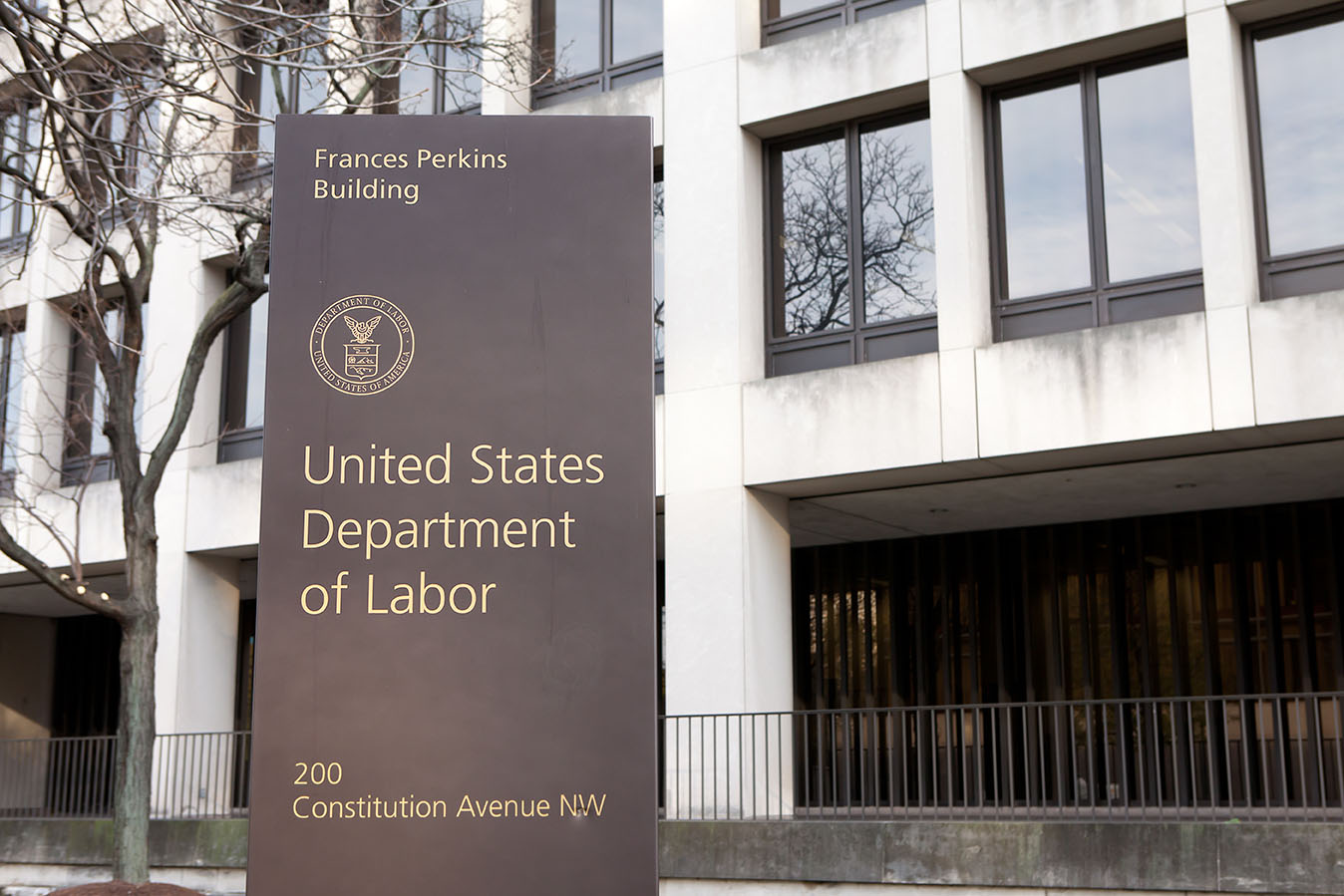
The use of Civil Money Penalties (CMPs) is a major tool in the US Department of Labor (USDOL) arsenal to bring employers into compliance, or to punish them, depending on one’s viewpoint. The USDOL has now ramped up the manner in which it assesses these violations, an initiative stemming from the recent headlines about the abuse of child labor. Under this new protocol, the agency will no longer assess CMPs on a per child basis but will increase the assessments by basing them on the number of discrete violations.
This new computation method can increase CMP assessments almost geometrically, making it that much harder for an employer to negotiate those penalties down. In other words, if an employer does not keep accurate records and has the minor working in a prohibited occupation and if the child is underage or is without working papers, that will be 3-4 violations, not just one. For each of these four violations, the employer could be fined, for each of them, up to the statutory maximum of $15,138. Under the old computation method, the maximum penalty could have been $15,138, based upon one child, not four violations.
There are a number of criteria used by the agency to determine the size of the initial penalty. These are aggravating and mitigating factors, the size of the business being a major factor. Among the factors are consideration for number of minors employed, how old they are, what their hours of work are and the dangerousness of the work (e.g., slaughterhouse). The agency will also carefully consider whether the employer is a repeat or willful offender. The DOL will then determine if the fines should be reduced or kept at the maximum by looking at the financial state of the employer, the total workforce, annual sales and the ostensible seriousness of the violations, which is often the most salient factor used to arrive at a final penalty “number.”
The new approach also beefs up the penalties for so-called “hot goods” violations. These are products manufactured at a facility where there existed improper use of child labor. The old policy limited assessments to a per investigation calculation. Now, a CMP can be (and likely will be) assessed for every shipment or delivery of those improperly manufactured products. In a similar vein, recordkeeping violations will also be “compounded” and assessed per employee.
The Takeaway
This enhancement of the CMP procedure is worrisome because the agency can geometrically impose heavy-duty penalties which, even if negotiated down, will still be pretty steep. In years gone by, I had argued successfully that there should be “merger” of various offenses including multiple employees, resulting in significant reductions. But, evidently, such a strategy may be harder to implement.
Answer is stay compliant. . .