

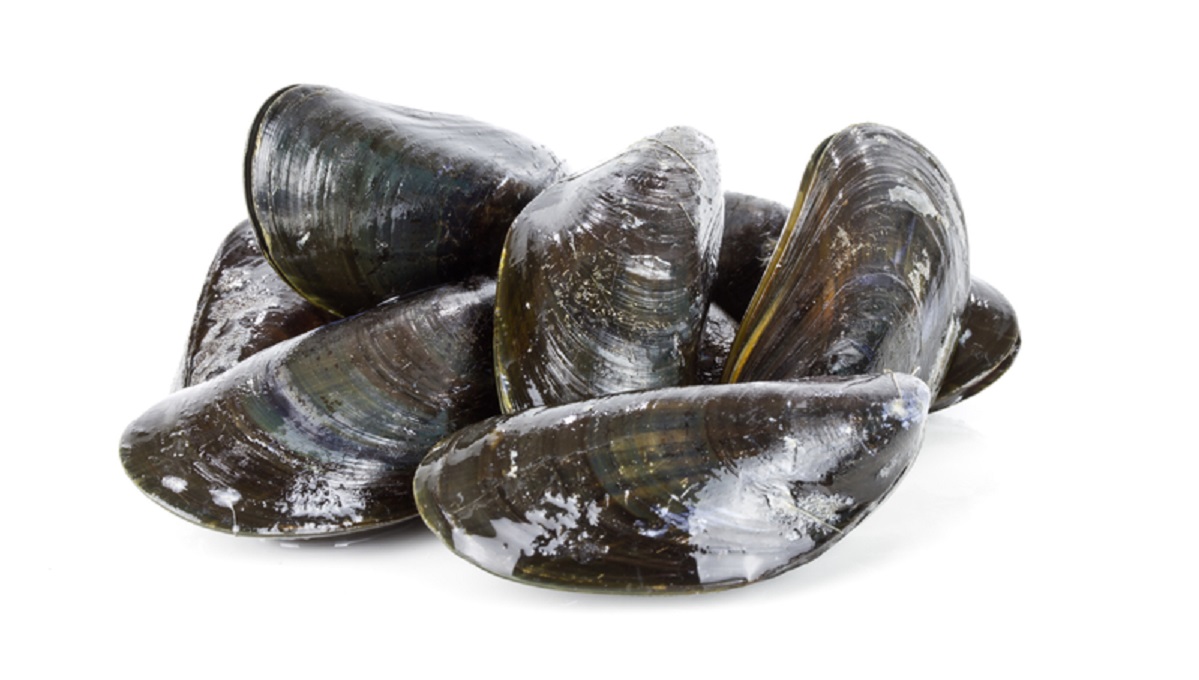
The European Commission has extended restrictions on imports of bivalve mollusks from Turkey.
The measures for bivalve mollusks, such as clams, oysters, and mussels, will now apply until the end of December 2026.
The short shelf life of live and chilled bivalve mollusks effectively rules out testing at the border. This means imports are banned. Consignments of frozen and processed bivalve mollusks are tested for marine biotoxins, and shipments of frozen mollusks are tested for E. coli.
Measures were introduced following DG Sante audits, which identified problems in implementing official controls by Turkish authorities on the production of bivalve mollusks sent to Europe and member states’ reports of non-compliant consignments from Turkey due to microbiological concerns.
Onsite audits in 2022 and 2023 identified persistent deficiencies in the official control system for bivalve mollusks. Checks revealed structural food safety shortcomings within Turkish establishments approved for exporting these products to the EU.
If existing protective measures were lifted, these unresolved issues would pose significant food safety risks for products exported from these premises, said the EU Commission.
In January 2020, Turkish authorities sent information on corrective measures to address the problems found in a 2015 audit. These had been assessed favorably on paper.
An extension of the measures for three years aims to allow Turkey to address the recommendations from previous audits and for these actions to be assessed by the EU Commission.
Approved control plans and import changes
Several changes have also been made to the list of countries with approved control plans, allowing them to export various products of animal origin to Europe.
Israel told the Commission that it is no longer interested in sending eggs to the EU, so the legislation needed updating.
Jamaica has not submitted a control plan for honey, but Morocco and Rwanda have done so. As these plans provide sufficient guarantees, they should be approved, but Jamaica’s entry has been removed.
Following a DG Sante audit in July and August 2023, it was found that Colombia couldn’t guarantee oestradiol 17-beta is not used in heifers and cows. As Colombia already exports composite products to the EU containing processed milk from another country with control plans for pharmacologically active substances, pesticides, and contaminants, the country’s listing for milk will be changed.
A two-month transition period allows entry to the EU for consignments of shelf-stable composite items manufactured from processed milk products of Colombian origin dispatched before the regulation comes into force on Feb. 11, 2024.
South Africa’s control plan for some products, which covers mollusks and marine gastropods from aquaculture, is also set to be approved as it guarantees food safety.
Bangladesh, Chile, the Falkland Islands, Guernsey, New Caledonia, Nicaragua, and Uruguay have informed the EU Commission they are not interested in exporting composite products manufactured using processed aquaculture products or processed milk and processed egg products. So a marking indicating their intention to export will be removed.
Kenya and Mozambique intend to export composite products made using processed milk or processed egg products from a member state or another country with the relevant control plans. However, they have failed to submit evidence and guarantees of compliance with EU rules so that the marking will be deleted.
(To sign up for a free subscription to Food Safety News, click here.)