

Skip to content

Menu

LexBlog, Inc. logo
NetworkSub-MenuBrowse by SubjectBrowse by PublisherJoin the NetworkGet StartedSubscribeSupportContact
Search
Close

Delivering the Goods:  The Exemption from Arbitration Focuses on the Worker, Not the Industry

By Fernanda Contreras & Elizabeth N. Hall on April 18, 2024
Email this postTweet this postLike this postShare this post on LinkedIn

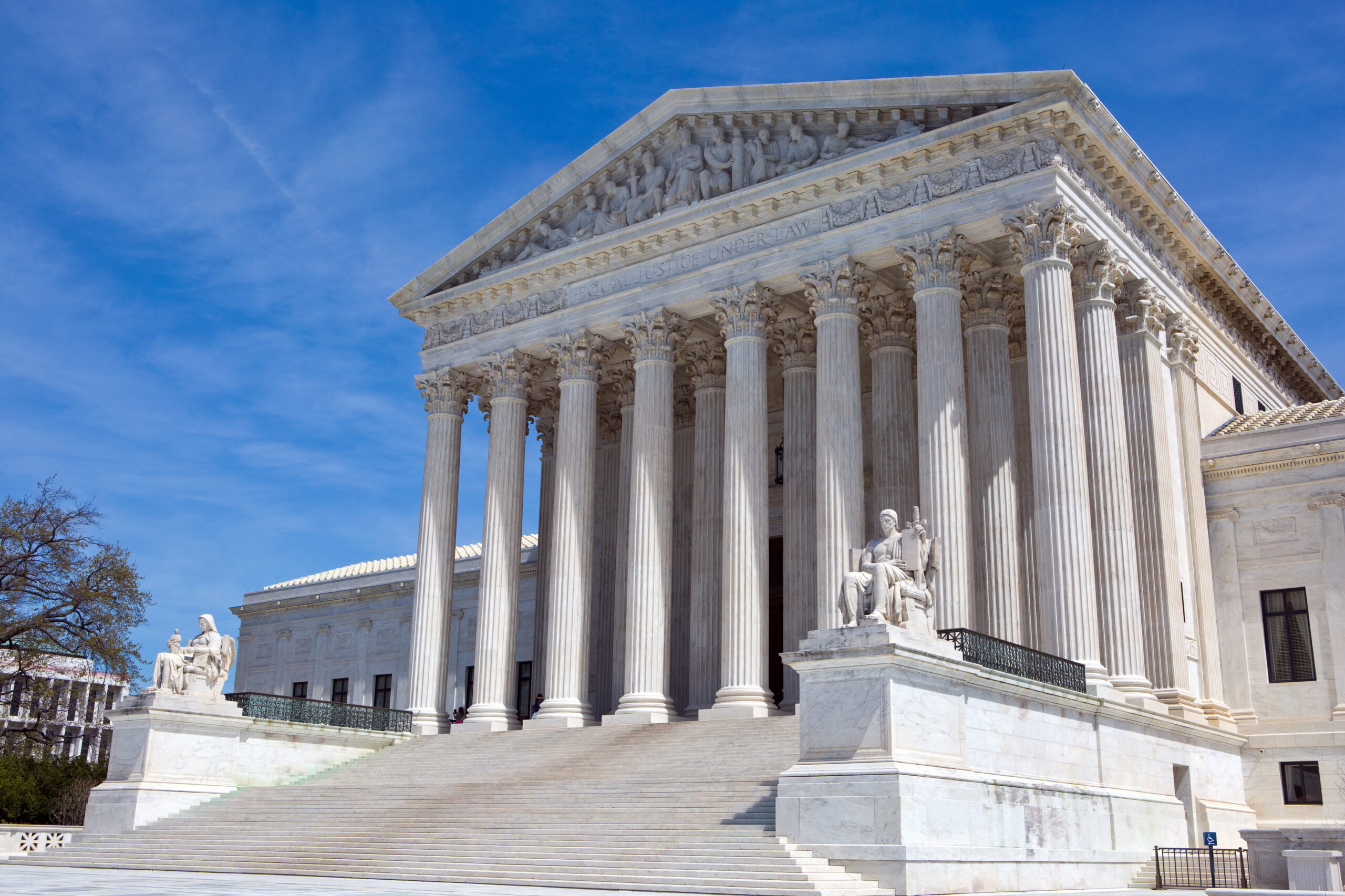
On April 12, 2024, the U.S. Supreme Court, in a unanimous decision, held that transportation workers need not work in the transportation industry to be exempt from coverage under section 1 of the Federal Arbitration Act (“FAA”).  Bissonnette, et al. v. LePage Bakeries Park St., LLC, et al., No. 23-51.  (See here.)  The Court found the determining factor to be the nature of the employee’s work for the company, not what the company does generally.  

Petitioners Neal Bissonnette and Tyler Wojnarowski owned the rights to distribute Respondent Flowers Foods, Inc.’s baked goods.  To purchase these rights, Petitioners entered into Distributor Agreements with Flowers that require “any claims, disputes, and/or controversy” to be arbitrated under the FAA.

In 2019, Petitioners brought a putative class action alleging that Flowers violated wage and hour laws by taking unlawful deductions from their wages, failing to pay them overtime, and unjustly enriching itself by requiring them to pay for distribution rights and operating expenses.  Flowers moved to dismiss or to compel arbitration under the FAA as stated in the Distributor Agreements with Petitioners.  But Petitioners argued they fell within the FAA’s exception as truck drivers who deliver baked goods to restaurants and stores for Flowers and therefore were exempt from arbitration.

The FAA provides generally that arbitration agreements are “valid, irrevocable, and enforceable,” 9 U.S.C. §2, except for “contracts of employment of seamen, railroad employees, or any other class of workers engaged in foreign or interstate commerce.”  

The District Court dismissed the case in favor of arbitration, explaining that for Petitioners to meet the arbitration exemption, they must be “transportation workers.”  On appeal, the Second Circuit affirmed the District Court’s decision but held instead that Petitioners were in the bakery industry not in the transportation industry.  The Court of Appeal believed the determination should focus on the company’s main source of revenue and whether the work mainly involved the movement of goods or people.

The Supreme Court rejected this analysis, stating that it was too “arcane” and would create “complex riddles” requiring expansive discovery.  Instead, relying on precedent in Southwest Airlines Co. v. Saxon, a case involving ramp agents for the airlines, Chief Justice Roberts reiterated that the exemption language of §1—referring to “workers” who are “engaged” in commerce—focuses on the performance of work rather than the industry of the employer.  New Prime Inc. v. Oliveira, 586 U. S. 105, 116 (2019).  The “linkage” between “seamen” and “railroad employees” is that they both perform transportation work—they are “transportation workers.”  Circuit City Stores, Inc. v. Adams, 532 U.S. 105, 118-119, 121 (2001).  Thus, when presented with the question of whether the language of the exemption required interstate transportation workers to be employed by an employer in the transportation industry, the Court concluded that there was no such requirement.

In response to concerns raised by Flowers that the ruling might be unlimited in its effect, the Court clarified that the FAA’s exemption applies to those workers who are “actively engaged in transportation of goods across borders via the channels of foreign or interstate commerce” or “at least play a direct and necessary role in the free flow of goods across borders.”

The Court remanded and did not express an opinion on whether or not the Petitioners qualify as transportation workers or if they are “engaged in foreign or interstate commerce” within the meaning of §1.  How broadly this decision will be applied to employees who may be “engaged in interstate commerce” remains to be seen.

Photo of Fernanda Contreras Fernanda Contreras

Fernanda Contreras is an Associate in Vedder Price’s Chicago office and a member of the firm’s Labor and Employment group.

Ms. Contreras specializes in labor and employment law, with a particular emphasis on workplace discrimination and wage and hour disputes. Her fluency in

…

Fernanda Contreras is an Associate in Vedder Price’s Chicago office and a member of the firm’s Labor and Employment group.

Ms. Contreras specializes in labor and employment law, with a particular emphasis on workplace discrimination and wage and hour disputes. Her fluency in Spanish has proven invaluable in assisting with internal workplace investigations.  She has significant experience researching and analyzing issues relevant to discrimination, non-competes, severance arrangements, arbitration and union disputes.

Read more about Fernanda ContrerasEmail
Show more Show less
Photo of Elizabeth N. Hall Elizabeth N. Hall

Elizabeth N. Hall is a Shareholder in the firm’s Labor and Employment practice area and serves as the Chicago office chair of the firm’s women’s affinity group, “Women at Vedder Empowering Success” (WAVES).

Ms. Hall represents a wide range of employers before state

…

Elizabeth N. Hall is a Shareholder in the firm’s Labor and Employment practice area and serves as the Chicago office chair of the firm’s women’s affinity group, “Women at Vedder Empowering Success” (WAVES).

Ms. Hall represents a wide range of employers before state and federal courts and administrative agencies, as well as in arbitral forums, defending them against various claims, including single plaintiff and class allegations of employment discrimination, failure to accommodate disabilities, sexual harassment, wrongful and retaliatory discharge, breach of contract and violations of the FMLA and wage and hour laws. Ms. Hall has successfully argued procedural and employment discrimination issues in the U.S. Court of Appeals for the Seventh Circuit and has particular expertise in managing electronic discovery teams in complex litigation.

A significant portion of Ms. Hall’s daily practice involves providing practical advice to employers regarding risk management; effective employee discipline and discharge; conducting workplace investigations; accommodating disabilities and pregnancy; workplace violence; managing leaves of absence and complying with FMLA and state leave requirements; workforce reductions; drafting and reviewing employment, recruitment and staffing agreements; policy and handbook development; wage and hour compliance; and state and federal employment laws. She frequently trains clients and employer groups on many of these topics.  Ms. Hall also has extensive experience drafting and negotiating severance, settlement and conciliation agreements on behalf of employer clients.

In 2017 and 2018, Ms. Hall was recommended by The Legal 500 United States for the Labor and Employment Disputes (including collective actions): Defense category. In 2018, she was named to the Crain’s Custom Media “Chicago Notable Women Lawyers” list. She also was selected as an Emerging Lawyer, an affiliate of Leading Lawyers, from 2015 to 2019. From 2010 to 2015, Ms. Hall was selected for inclusion as an Illinois Rising Star, and Super Lawyers named her one of the “Top Women Attorneys in Illinois” in the “Rising Star” category in 2013 and 2014.

Read more about Elizabeth N. HallEmail
Show more Show less
  • Posted in:
    Employment & Labor
  • Blog:
    Vedder Works
  • Organization:
    Vedder Price PC
  • Article: View Original Source

Call us at 1-800-913-0988 or email sales@lexblog.com.

Facebook LinkedIn Twitter RSS
The Library at LexBlog
  • About LexBlog
  • The Field We Built
  • Library at LexBlog
  • Our Beliefs
  • Our Team
  • Contact LexBlog
  • Disclaimer
  • Editorial Policy
  • Terms of Service
  • Get Started
  • Publishing Solutions
  • Compass
  • Submit a Request
  • Support Center
  • System Status
Copyright © 2026, LexBlog, Inc. All Rights Reserved.
Law blog design & platform by LexBlog LexBlog Logo