

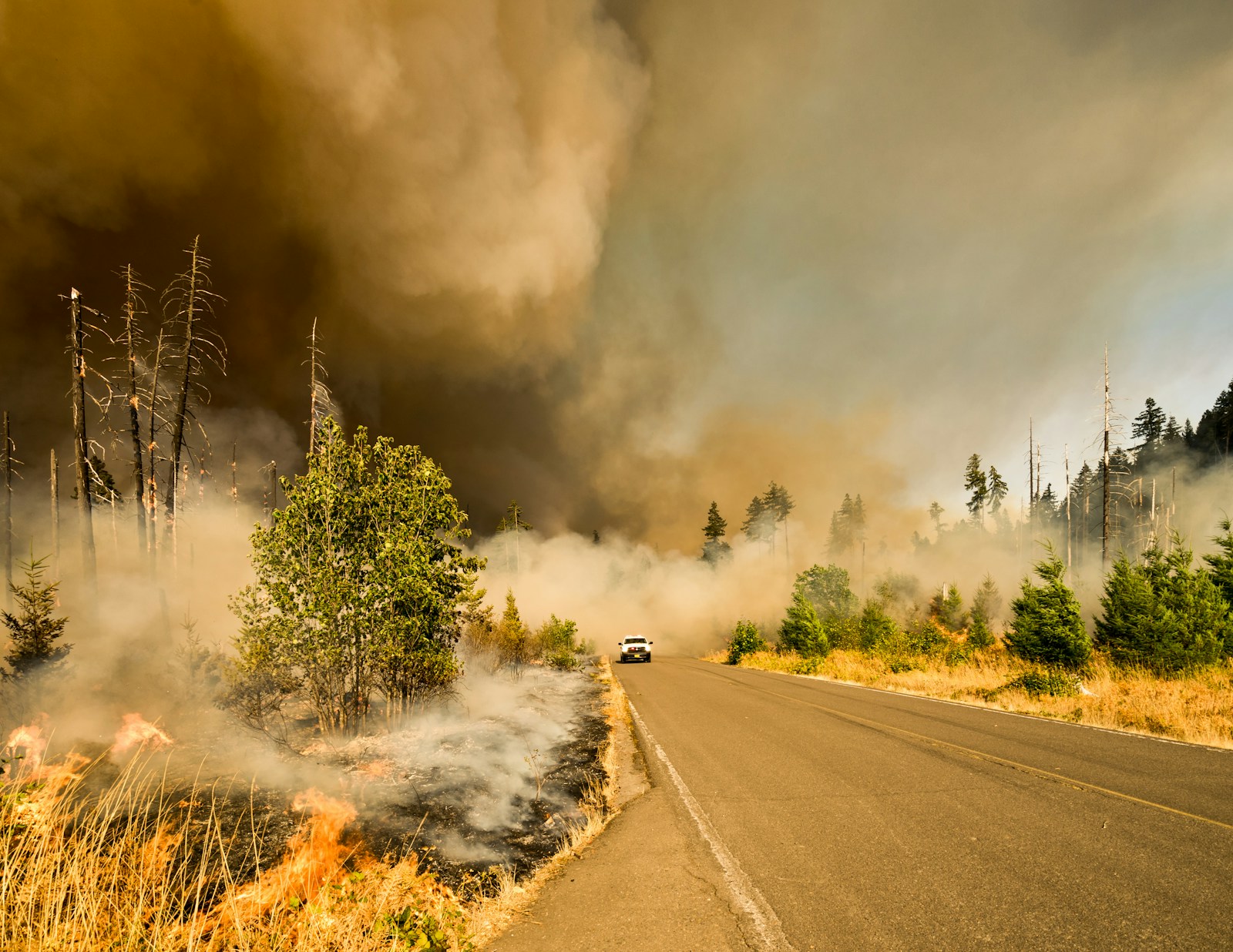
As the devastating wildfires continue to burn across Southern California, businesses and employers in the area face unprecedented challenges. The fires, which have scorched more than 30,000 acres of land and have now lasted more than two weeks, are wreaking havoc on both communities and workplaces. With the situation continuing to evolve, employers must be mindful of the legal rights of their employees, especially when it comes to safety, leaves of absence, and workplace accommodations during such a crisis.
The following are key employment rights employers need to consider as they navigate the impact of the ongoing wildfires on their workforce.
Link to Access and Reporting To Work Access and Reporting To Work
California employers have a legal duty to provide a safe and healthy workplace under California and OSHA regulations. Wildfires present dangerous risks, and employers should assess the proximity of the fire and workplace hazards before allowing employees access to the workplace. Businesses that employ outdoor workers or operate in enclosed buildings without operative mechanical ventilation systems must evaluate the current Air Quality Index (AQI) for PM2.5 and provide training and protective measures when the AQI for PM2.5 is 151 or greater.
Employers are prohibited from taking adverse action against employees who refuse to report to or leave a workplace due to unsafe work conditions or seek emergency assistance.
Additionally, employers must allow employees access to their mobile devices to seek emergency assistance, assess safety situations, or communicate with others to verify their safety.
Link to Leave for Volunteer Emergency Responders Leave for Volunteer Emergency Responders
Employers should not retaliate or discriminate against employees for taking time off to perform emergency duties as a volunteer firefighter, reserve peace officer, or emergency rescue personnel. Those employers with 50 or more employees must grant such employees up to 14 days of leave for performing emergency duties.
Link to Leave for Parents Leave for Parents
For eligible employees whose children attend schools that have unexpectedly closed due to the fires, employers must allow those eligible employees to take up to 40 hours of unpaid leave. However, employees must use accrued, unused paid vacation time or may choose to apply any accrued, unused paid sick time for the absence.
Link to Additional Leaves and Accommodations Additional Leaves and Accommodations
If an Employer has 50 or more employees and those employees qualify for Family Medical Leave or more than five employees under the California Family Rights Act, employees may use accrued, unused sick leave for absences due to injuries, illnesses, or need to care for a family member (or any other permissible use) caused by the wildfires. For serious health injuries or illnesses, employees may be eligible to take leave afforded by the California Family Rights Act and/or Family Medical Leave Act.
As the wildfires may impact employees’ health, employers must also be mindful of the rights afforded to employees by the California Fair Employment and Housing Act and Americans with Disabilities Act and should engage in the same interactive process as they would under other circumstances to identify reasonable accommodations.
Qualifying Employers may want to consider allowing remote work if feasible, permit alternative or flexible schedules, and if appropriate, provide personal protective equipment.
Qualifying Employers should also evaluate their internal policies that may extend additional rights and protections to their employees.
Link to Communications With Employees Communications With Employees
Employers should take all employee complaints concerning the health and safety of their work conditions seriously and must not take adverse action against employees who make such complaints.
Employers should also encourage employees to report worsening air quality and adverse symptoms that may be the result of wildfire smoke exposure.
Link to Preservation of Records Preservation of Records
If your business is in or neighbors communities that have been directly impacted by the wildfires, consider taking additional measures to preserve employee records and reported hours worked to ensure compliance with the California Labor Code.
For more information about how the key issues discussed in this article may apply to your business or affect your employees, to assess the best approach for complying with these laws, or information about responding to natural disasters, please contact the author of this post, or your Dykema relationship attorney.