

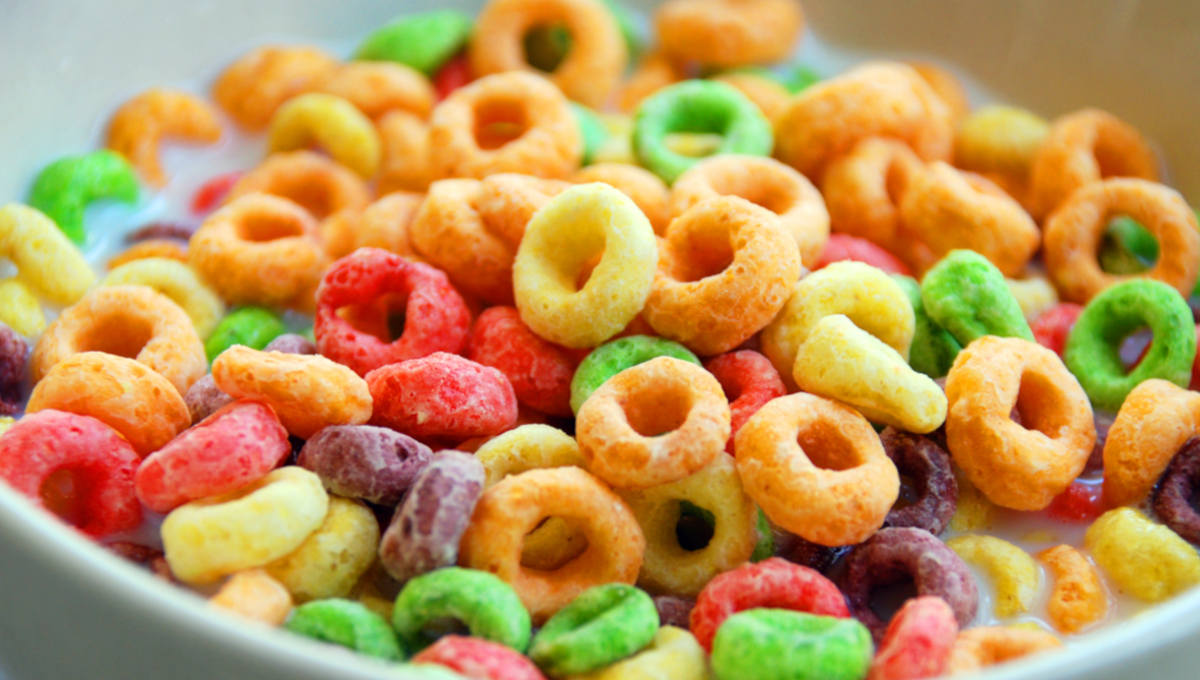
The U.S. food industry is firmly opposing Robert F. Kennedy Jr.’s aggressive effort to eliminate artificial dyes, following his March 10 meeting with executives from major companies like PepsiCo, Kraft Heinz and General Mills.
As U.S. Health and Human Services Secretary, Kennedy demanded that companies remove dyes from their products by the end of his 2029 term — or face federal intervention. The Consumer Brands Association, a prominent trade organization representing major food companies, has issued an alert about upcoming regulatory actions that it considers imminent, indicating opposition from the industry to what it views as excessive government interference.
This clash follows West Virginia’s House Bill 2354, which was opposed by the industry and will ban seven synthetic dyes and two preservatives by 2028. Kennedy’s national directive has intensified the tension, with food companies arguing that removing dyes like Red No. 40 and Yellow No. 5 would harm profitability, production efficiency and market stability.
Link to Industry resistance Industry resistance
The Consumer Brands Association’s memo highlights the industry’s alarm. It warns that Kennedy’s ultimatum threatens an industry reliant on inexpensive, vibrant dyes to maintain product appeal and affordability. The National Confectioners Association echoed the association, asserting that restrictions “make food significantly more expensive and less accessible,” a refrain from its fight against West Virginia’s ban. Reformulating iconic snacks like Flamin’ Hot Cheetos or Froot Loops with natural alternatives could spike costs and alter flavors, according to manufacturers.
Marion Nestle, NYU nutrition professor emerita, told BakeryandSnacks.com on March 13 that PepsiCo’s dye-free Doritos in Europe prove reformulation is possible, but U.S. firms resist because of the scale and Kennedy’s tight 2029 timeline. Industry leaders argue synthetic dyes are vital for meeting consumer demand and staying competitive.
Link to Legal and regulatory battles Legal and regulatory battles
Kennedy’s move to order an FDA review of the GRAS (Generally Recognized as Safe) loophole — allowing self-approved additives — hours after the meeting, has intensified the standoff. Industry fears the review could dismantle decades of regulatory flexibility. Legal challenges are brewing, with California’s 2024 school dye ban already raising preemption issues, and a federal push could spark lawsuits claiming it overrides state actions like West Virginia’s.
The FDA’s stance fuels the friction. Despite banning Red No. 3 in October 2024 because of cancer risks, it still deems dyes like Red No. 40 safe, despite being unstudied since the 1990s. Industry groups have leveraged this, arguing Kennedy’s demands defy established science and FDA precedent.
Kennedy’s team cites a 2021 California study, linking Red No. 40 and Yellow No. 5 to child hyperactivity, with Scott Faber of the Environmental Working Group calling them “unnecessary toxins.” The industry counters that FDA approval validates safety, dismissing reformulation costs as outweighing uncertain health risks.
PepsiCo and Coca-Cola’s prior dye removals demonstrate that change is feasible, but Kennedy’s broad mandate raises the stakes. However, industry lobbying and legal threats could push resistance past 2029.
(To sign up for a free subscription to Food Safety News, click here.)