

A year-old case of R-CALF, et al. v. USDA, to stop the use of a tool intended to help control diseased animals, will proceed under a ruling by the U.S. District Court for the District of South Dakota. USDA’s attempt to get the lawsuit thrown out failed.
R-CALF, the Billings, MT based group of independent ranchers, is challenging USDA’s mandatory electronic identification (EID) eartag rule, which went into effect on Nov. 5, 2024. R-CALF is represented by Kara Rollins, litigation counsel for the New Civil Liberties Alliance (NCLA).
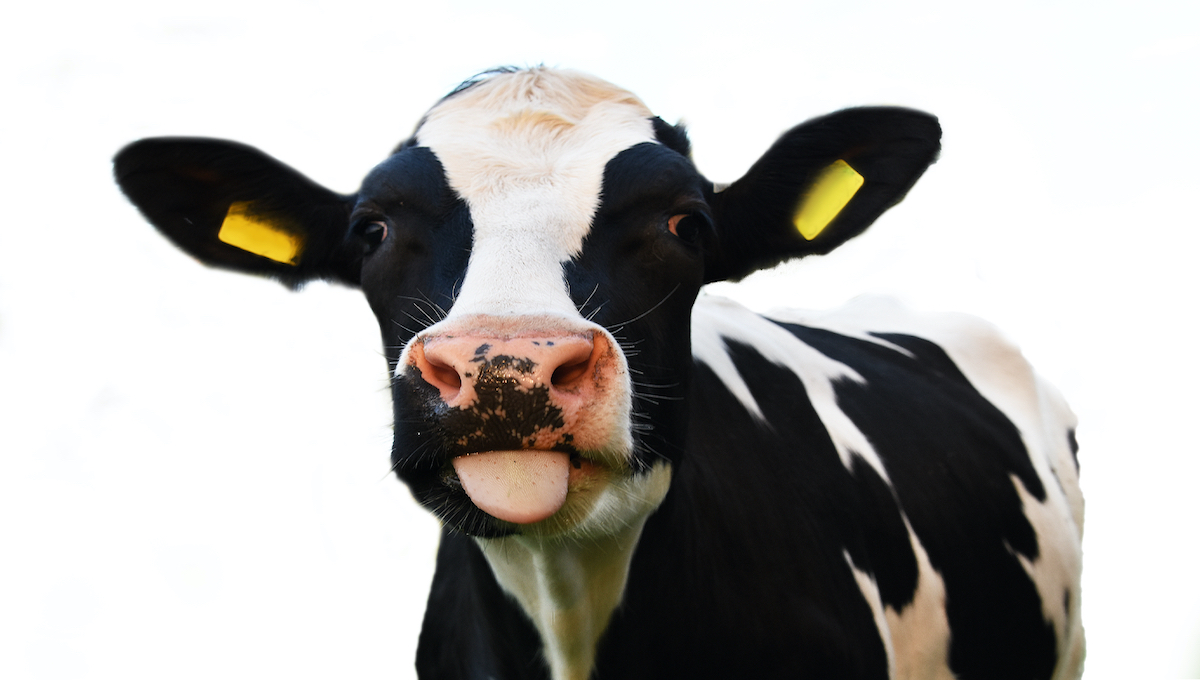
The 2024 final rule replaced a previous rule on animal identification that gave ranchers the option of using low-cost metal eartags or high-cost EID eartags when transporting sexually intact adult cattle across state lines. Ranchers lost that choice in the 2024 final rule, with the mandate dictating that the more costly EID ear tags be used.
R-CALF’s formal name is the Ranchers Cattlemen Action Legal Fund United Stockgrowers of America (R-CALF USA), which is the largest producer-only trade association in the United States. Joining R-CALF USA in suing the USDA over the electronic eartag mandate are the South Dakota Stockgrowers Association, the Farm and Ranch Freedom Alliance, and South Dakota ranchers Kenny and Roxie Fox, as well as Rick and Theresa Fox.
R-CALF USA CEO Bill Bullard responded to the court ruling permitting the case to proceed by saying: “We, of course, will continue arguing the final rule is unnecessary, as the previous rule that allowed ranchers to choose the type of eartags that best fit their operations is sufficient to meet the USDA’s disease traceback objectives in the event of a disease outbreak.”
“We will also note that the new rule only covers approximately 10 percent of the nation’s cattle herd — a percentage significantly lower than the participation level the USDA had previously stated was necessary to achieve disease traceability,” Bullard added. “Not only do we believe this mandatory EID rule implemented during the Biden administration is unnecessary and unlawful, but we also believe it flies in the face of President Trump’s efforts to put an end to costly government regulations that force private businesses to incur unnecessary compliance costs that harm their competitiveness. There is no question that this mandatory EID rule is driving up costs for American cattle ranchers.”
The USDA’s Animal and Plant Health Inspection Service (APHIS) described the rule as a “significant step” forward in efforts to enhance traceability and limit contagious animal diseases. APHIS depicted it as necessary for “rapid traceability” in a disease outbreak to not only limit how long farms are quarantined, but also to keep more animals from getting sick, and get ranchers and farmers back to selling their products more quickly.
The NCLA alleges in court documents that the EID rule is “arbitrary and capricious under the Administrative Procedure Act (APA),” and that APHIS and USDA have failed “to reasonably explain” how the rule is necessary when “the existing Animal Disease Traceability framework is already proven effective and the rule only applies to a 10th of the nation’s cattle herd.”
“Since the rule came into effect almost a year ago,” said NCLA Litigation Counsel Kara Rollins, “America’s ranchers and farmers have been forced to comply with its expensive and unnecessary EID mandate. The rule is a classic example of bureaucratic convenience overriding reasoned decision-making. We look forward to having this case resolved on the merits.”
(To sign up for a free subscription to Food Safety News, click here.)