

A grocery company in New Zealand has been fined for selling recalled hummus products that may have contained Salmonella.
Foodstuffs South Island was told to pay $39,000 (U.S. $21,900). The company was sentenced in Christchurch District Court on one charge under the Food Act 2014, following a prosecution by New Zealand Food Safety.
Vincent Arbuckle, deputy-director general, said the major recall in 2023 involved nearly 83,000 units of hummus products.
“However, Foodstuffs South Island sold 39 of the affected units to consumers. These should have been removed from shelves to minimize risk. On this occasion there was a significant failure in Foodstuffs South Island’s recall system and product subject to the recall was distributed to stores for sale to the public,” he said.
“While there were no confirmed reports of associated illnesses, we are committed to holding food businesses to account to ensure food recalls go smoothly so that risk to consumers is minimized.”
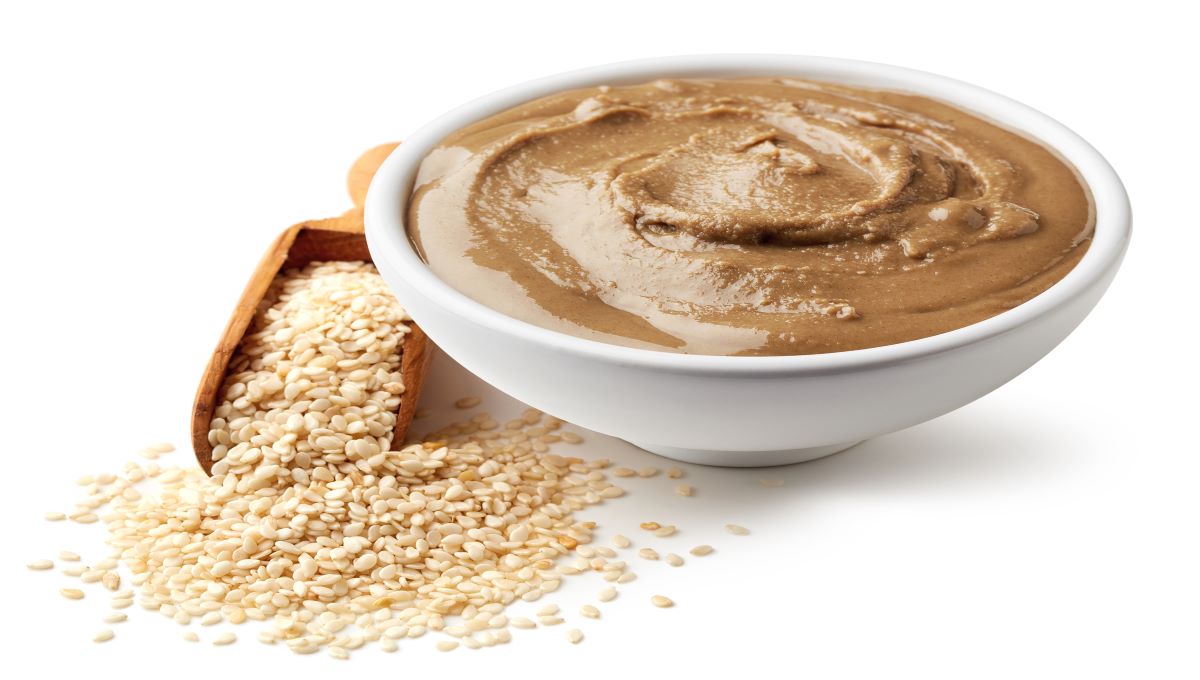
In February 2023, Foodstuffs South Island was notified by a supplier that a batch of tahini used in hummus products returned a positive result for Salmonella.
This led to recalls of various products as any item made using that tahini was considered potentially contaminated. It involved 82,740 units of hummus products. A total of 39 tubs were sold to 34 customers.
In a statement at the time, Foodstuffs South Island said: “On March 3, Foodstuffs South Island’s Hornby Distribution Centre received a delivery from a supplier of recalled hummus products which are subject to a food safety recall. Some of the products subject to the recall were sent on to Foodstuffs South Island stores in error on March 4.
“As soon as we became aware of the error on March 4, the Foodstuffs South Island stores who received the recalled product in error were contacted by our teams and product was removed from the store’s shelves, marked and put aside to be destroyed.”
Digital labeling trial
A comment period has been opened on a proposal to trial digital labeling on some imported food products.
Under the plans, approved retailers would temporarily be exempt from the requirement to list all information on packaging for certain imported food. The aim is to see whether it’s feasible to use digital labeling as an addition to physical labels. Physical labels are the primary risk management tool for protecting public health.
For a limited period, non-compliance of the physical label with requirements of the Food Standards Code would be supplemented by digital means. There would be no change to what information must be provided.
Digital labeling technology includes websites, online platforms and mobile applications. It may be presented as a QR code on the product or on a shelf that can be scanned by a smartphone camera.
Nicola Willis, Economic Growth Minister, said: “Retailers would still need to provide shoppers with information about allergens, ingredients and nutrition, but they would not have to go to the expense of re-labeling products to do so. Information could be made accessible in-store and online via on-shelf QR codes, in-store digital labels, websites and mobile apps.”
For overseas manufactured and labeled food, the cost of re-labeling or over-labeling can be a barrier to import.
The Ministry for Primary Industries (MPI) said the trial will support a greater understanding of how to best regulate digital labels: from setting the rules through to monitoring and enforcement. Ensuring food safety will continue to be paramount throughout the period.
The trial period will last for one year and would involve pre-packaged food. Comments on the plans are open until Dec. 19, 2025.
“Having met with many food businesses this year, it’s clear to me that physical labeling can be a costly barrier. If we can introduce digital labeling to provide additional flexibility – we should,” said Andrew Hoggard, Food Safety Minister.
(To sign up for a free subscription to Food Safety News, click here)