

Skip to content

Menu

LexBlog, Inc. logo
NetworkSub-MenuBrowse by SubjectBrowse by PublisherJoin the NetworkGet StartedSubscribeSupportContact
Search
Close

U.S. Department of Education Formalizes Return to 2020 Title IX Regulatory Framework

By Julia V. Wilde, Gwen J. Zittoun, Jessica Richman Smith & Tom Owen on September 30, 2026
Email this postTweet this postLike this postShare this post on LinkedIn
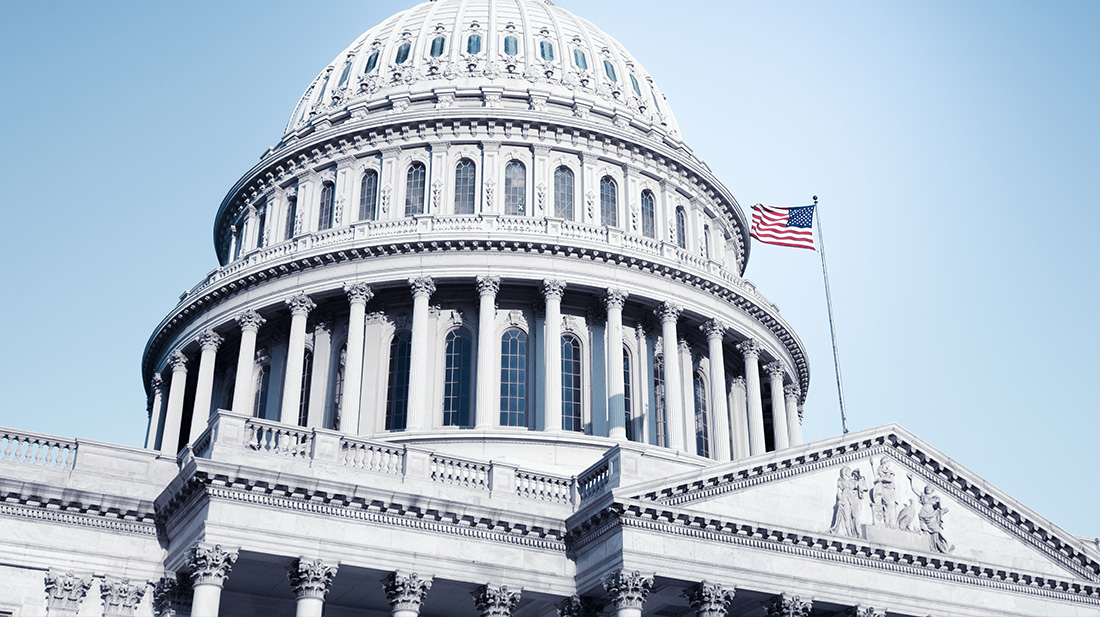
capitol

Table of Contents

  • What the Rule Does
  • What the Rule Does Not Do
  • Key Takeaways for K-12 Schools and Institutions of Higher Education

On September 28, 2026, the U.S. Department of Education finalized a rule that removes the 2024 Title IX regulations and officially brings back the 2020 version, which governs how schools handle complaints of sex discrimination, including sexual harassment, under federal law. Here is what K-12 and higher education leaders need to know.

Link to What the Rule Does What the Rule Does

From a practical standpoint, not much has changed since the 2024 Title IX regulations were declared invalid by a federal district court in Kentucky on January 9, 2025, a move that immediately reinstated the 2020 Title IX regulations. Accordingly, the Department has been operating under the 2020 Title IX regulations since early 2025, even before making this change official. However, the new rule formally restores the 2020 Title IX framework, which requires schools to follow a specific grievance process when responding to complaints of sexual harassment.

This grievance process includes, among other things, providing parties with the opportunity to review evidence and pose questions to other parties and witnesses; allowing parties to have an advisor of their choice, who may be, but is not required to be, an attorney; requiring separate investigators, decision-makers, and appeal decision-makers, each of whom must serve without bias or a conflict of interest; allowing institutions to choose to apply a higher standard of proof; and imposing any discipline only if, and after, the grievance process has been fully implemented and completed.

Complaints of sex discrimination that do not involve sexual harassment may still be investigated using grievance procedures that are less complex and look more like those used to investigate other forms of discrimination in a school setting.

Link to What the Rule Does Not Do What the Rule Does Not Do

This rule does not define “sex” under Title IX. However, the Department is currently interpreting “sex” as solely biological sex and declining to extend Title IX’s protections to cover gender identity or sexual orientation. A separate rulemaking effort is expected to formally define “sex” under Title IX.

Link to Key Takeaways for K-12 Schools and Institutions of Higher Education Key Takeaways for K-12 Schools and Institutions of Higher Education

K-12 and higher education leaders should consider the following steps:

  • Check your complaint and investigation procedures to make sure they align with the 2020 Title IX regulations.
  • Talk to your legal counsel about whether your policies, procedures, staff training, or reporting processes need updating.
  • Stay alert for updates on the definition of “sex” under Title IX, which could have practical implications for schools.
Photo of Julia V. Wilde Julia V. Wilde

Julia Wilde advises public school districts on a variety of general education, special education and labor and employment issues. Prior to joining Shipman & Goodwin, Julia served as Assistant Corporation Counsel for the City of Hartford, where she advised the City on a…

Julia Wilde advises public school districts on a variety of general education, special education and labor and employment issues. Prior to joining Shipman & Goodwin, Julia served as Assistant Corporation Counsel for the City of Hartford, where she advised the City on a variety of legal matters, with an emphasis on public education, special education and labor and employment. In addition, she has worked for several law firms in Massachusetts.

Read more about Julia V. WildeEmail
Show more Show less
Photo of Gwen J. Zittoun Gwen J. Zittoun

Gwen represents boards of education in relation to special education, Section 504, restraint and seclusion, student discipline, board policy development and revision, and general education matters. Gwen frequently speaks on education issues, including privacy and confidentiality of student information, bullying and Section 504.

Read more about Gwen J. ZittounEmailGwen's Linkedin Profile
Photo of Jessica Richman Smith Jessica Richman Smith

Jessica represents schools in a variety of education, labor relations and employment law matters.  She negotiates certified and non-certified collective bargaining agreements on behalf of numerous public boards of education.  Jessica also represents school districts in labor and employment disputes, freedom of information…

Jessica represents schools in a variety of education, labor relations and employment law matters.  She negotiates certified and non-certified collective bargaining agreements on behalf of numerous public boards of education.  Jessica also represents school districts in labor and employment disputes, freedom of information hearings, teacher tenure proceedings, student disciplinary matters, election law matters, and other legal proceedings arising in the education context.  In addition, Jessica advises schools on education policies and practices, compliance with the Family Educational Rights and Privacy Act and the Connecticut Freedom of Information Act, and other legal matters arising in the education context.

Read more about Jessica Richman SmithEmailJessica's Linkedin Profile
Show more Show less
Photo of Tom Owen Tom Owen

Tom Owen works with schools and colleges on legal issues related to students, employees, governance, and policy. He draws on his previous career in education to offer practical legal guidance to school leaders. Tom holds a J.D. from Northeastern University School of Law…

Tom Owen works with schools and colleges on legal issues related to students, employees, governance, and policy. He draws on his previous career in education to offer practical legal guidance to school leaders. Tom holds a J.D. from Northeastern University School of Law, an M.A. in private school leadership from the Klingenstein Center for Independent School Leadership at Columbia University’s Teachers College, and an A.B. in comparative literature from Dartmouth College.

Read more about Tom OwenEmailTom's Linkedin Profile
Show more Show less
  • Posted in:
    Administrative and Regulatory
  • Blog:
    School Law
  • Organization:
    Shipman & Goodwin LLP
  • Article: View Original Source

Call us at 1-800-913-0988 or email sales@lexblog.com.

Facebook LinkedIn Twitter RSS
The Library at LexBlog
  • About LexBlog
  • The Field We Built
  • Library at LexBlog
  • Our Beliefs
  • Our Team
  • Contact LexBlog
  • Disclaimer
  • Editorial Policy
  • Terms of Service
  • Get Started
  • Publishing Solutions
  • Compass
  • Submit a Request
  • Support Center
  • System Status
Copyright © 2026, LexBlog, Inc. All Rights Reserved.
Law blog design & platform by LexBlog LexBlog Logo