
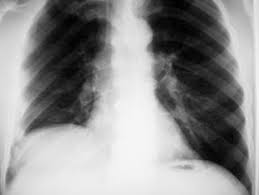
A fractured or ruptured diaphragm is a serious internal injury involving the large muscle that separates the chest cavity from the abdominal cavity and plays a critical role in breathing. This type of injury usually results from major blunt force or crushing trauma and is often associated with other internal injuries. It is not the most common Illinois work comp injury, but is one that we have helped with multiple times.
Because the diaphragm is essential to normal breathing, a rupture can quickly become life-threatening and often requires emergency surgery. When a diaphragm fracture happens because of a job-related accident, the injured worker qualifies for benefits under Illinois workers’ compensation law.
This post covers how these cases happen and work. If you want a free case review, please contact us any time. We help everywhere in Illinois.
Link to How Do Diaphragm Fractures Happen at Work? How Do Diaphragm Fractures Happen at Work?
Diaphragm ruptures almost always stem from high-impact events. In the workplace, these injuries are typically linked to severe accidents involving force to the torso. Workers in construction, manufacturing, warehousing, transportation, and heavy industry face higher exposure, but any worker can suffer this injury if subjected to major trauma.
Common job-related causes include:
• Heavy equipment or forklift accidents
• Crushing incidents involving machinery or materials
• Falls from height with torso impact
• Vehicle collisions during work duties
• Structural collapses or explosions
It can also happen to people who drive for work from a car accident. What makes it unique is that it is almost never from a repetitive activity unlike most other Illinois work injuries.
Link to Symptoms and Medical Complications Symptoms and Medical Complications
A diaphragm rupture is often difficult to diagnose at first because it can occur alongside other big injuries. Symptoms can include chest pain, abdominal pain, shortness of breath, and signs of internal bleeding. In some cases, abdominal organs can shift upward into the chest cavity, creating other complications involving the lungs and heart.
Diagnosis usually requires advanced imaging like CT scans and specialized radiology studies. Treatment commonly involves surgery to repair the tear, followed by hospitalization and careful monitoring. Recovery time can be substantial, particularly if there are related lung or organ injuries.
It is incredibly important for your health, not just your case, that you get to a doctor right away. Going to a local emergency room usually makes the most sense if you have these symptoms.
Link to Medical Treatment Under Illinois Workers’ Compensation Law Medical Treatment Under Illinois Workers’ Compensation Law
If the injury happened while at work, workers comp should cover all necessary medical treatment connected to the injury. This generally includes emergency care, surgery, hospital stays, diagnostic testing, follow-up treatment, medications, and rehabilitation. The goal of the system is to ensure that an injured worker gets appropriate medical care without paying a cent out-of-pocket.
Because diaphragm injuries are severe and costly, insurance companies sometimes dispute medical the extent of “necessary treatment” or whether later complications are related to the original accident. Detailed medical documentation as well as an experienced attorney on your side are especially important in these complex cases.
Link to Temporary Disability Benefits While You Recover Temporary Disability Benefits While You Recover
Most workers with a diaphragm rupture cannot return to work for a significant period of time. While you recover, you may qualify for temporary total disability benefits. These payments are designed to partially replace lost wages while your doctor keeps you off work. The amount is based on a percentage of your average weekly wage. Benefits should continue as long as you remain medically unable to perform your job duties or your employer can not accommodate your restrictions.
These payments are called TTD benefits and are 2/3 of your average weekly wage. They are also tax free.
Link to Permanent Effects, Long-Term Disability and Vocational Rehabilitation Permanent Effects, Long-Term Disability and Vocational Rehabilitation
Some workers recover well after surgical repair, but others are left with lasting damage. Ongoing breathing limitations, reduced endurance and stamina, chronic pain, or complications involving the lungs or digestive system can interfere with a return to full-duty work. Whether you make an amazing recovery or have long term problems more compensation is available through a permanent disability award or settlement,
Long-term effects may include:
• Reduced lung capacity
• Chronic respiratory symptoms
• Permanent activity restrictions
If your restrictions prevent you from returning to your former job, work comp should provide vocational rehabilitation benefits. These services help injured workers reenter the workforce in a position suited to their current abilities.
Link to Legal Representation Matters Legal Representation Matters
Diaphragm rupture claims tend to involve extensive and expensive medical care. Because of this, insurance carriers are more likely to closely review these claims and often dispute them. An experienced workers’ compensation attorney can help coordinate medical evidence, address any questions brought up by the employer or insurance company, and handle all hearings and settlement negotiations.
Contact us for a FREE case review with an attorney who has substantial experience representing workers with serious internal and diaphragm-related injuries. An attorney with an understanding these injuries can literally make your case worth tens of thousands of dollars more. Call us at 312-346-5578 or complete our contact form.