

This is the second of two posts exploring the evolution of climate change implementation litigation. Part I detailed how governments’ duties to monitor and meet their climate commitments, and have transparent and attainable climate plans, are well-defined by international, regional,
Latest from Climate Law Blog - Page 2
Scrutinizing the Achievement of Climate Targets, Part I: The Widening Reach of Implementation Litigation
As temperatures continue to rise at alarming rates, it is undeniable that current climate policies are not enough to meet the 1.5°C temperature limit of the Paris Agreement. According to the United Nations Environment Programme, global warming is currently
United Nations May Soon Affirm Statehood of Island States After Sea Level Rise

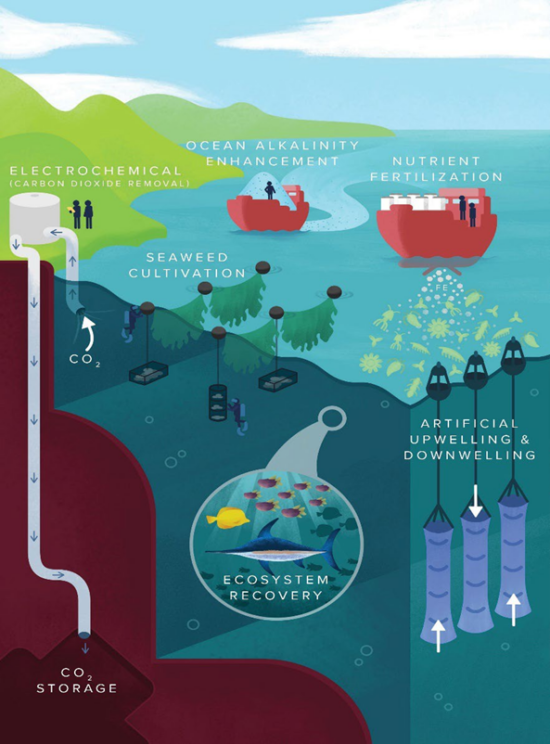
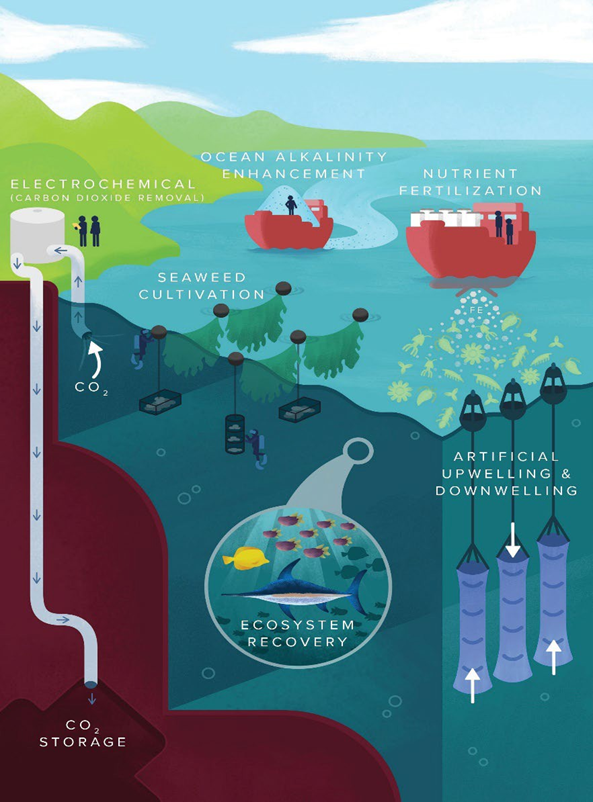
New National Academies of Sciences’ Report on Marine Carbon Dioxide Removal Highlights the Need for Governance Reforms
The new Limiting Overshoot report from the United Nations Environment Program (UNEP) paints a grim picture. Global warming is likely to exceed 1.5oC above pre-industrial levels within the next decade and could reach as high as 3.6oC by 2100.
Environmental Review Before and After 9/11

Charlotte Biren Joins the Sabin Center as Climate Justice Fellow




Several Key Problems with the Forest Services’ Proposed Repeal of the Roadless Area Conservation Rule

On August 20, 2026, the U.S. Forest Service (USFS) published a proposal to repeal the 2001 Roadless Area Conservation Rule (“Roadless Rule”), which prohibits new road construction, commercial timber harvests and other activities on 58.5 million acres of undeveloped public

Widespread Local Opposition, Often Driven by Misinformation, Continues to Hamper Renewable Energy Development
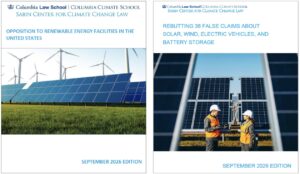
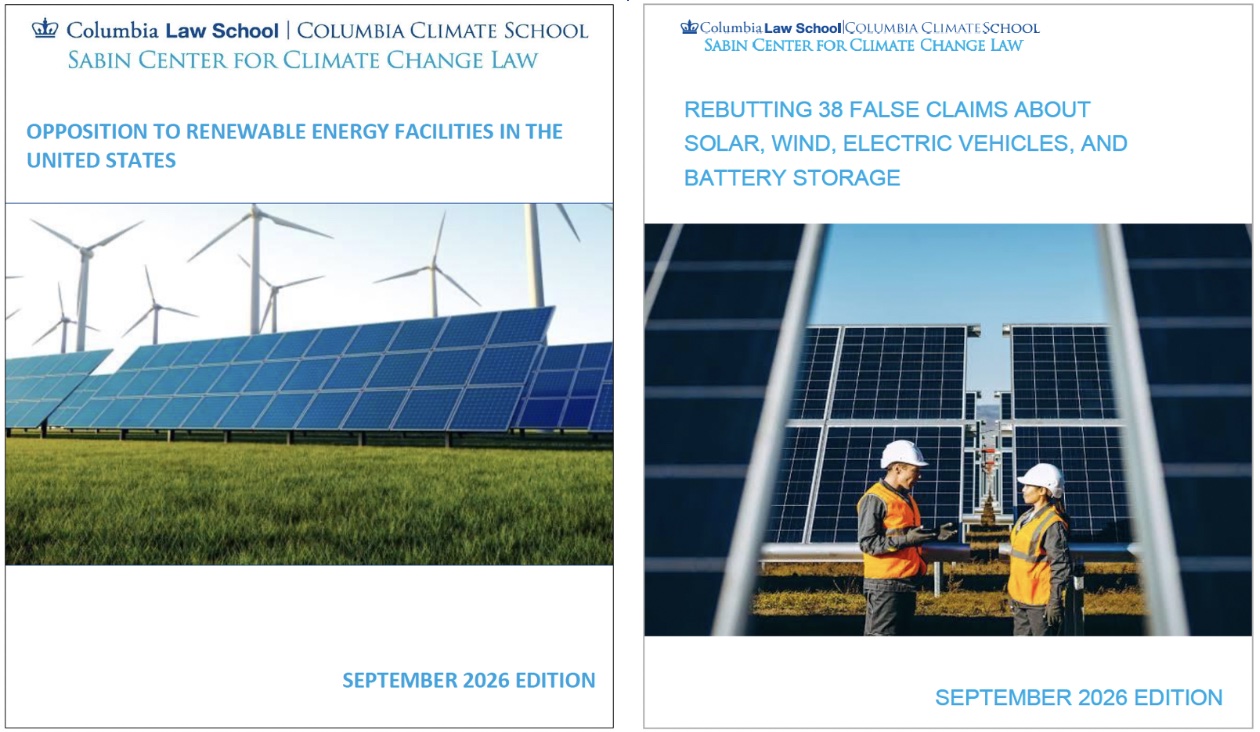
Two major new reports, published today by the Sabin Center’s Renewable Energy Legal Defense Initiative (RELDI), highlight key challenges facing renewable energy development in the United States. The 6th edition of Opposition to Renewable Energy Facilities in the United States
New Zealand Legislates Away Climate Tort, Part II: International Climate Obligations and Access to Justice
This is the second of two posts examining New Zealand’s Climate Change Response (Tort Liability) Amendment Act 2026. Part I examined the legislation’s intervention in Smith v Fonterra and situated it within an emerging international backlash against corporate climate litigation.
New Zealand Legislates Away Climate Tort, Part I: Smith v Fonterra and the Global Backlash Against Climate Litigation
This is the second of three consecutive posts on corporate climate accountability. Yesterday’s post examined the Paris Judicial Court’s June 2026 ruling in Notre Affaire à Tous et al. v. TotalEnergies SE.
On August 18, 2026, New Zealand’s Parliament