Oikos

Oikos is a blog authored by David Jeffery that focuses on environmental economics and environmental policy in Australia. It covers topics such as emissions trading schemes, climate change policy, tax reform related to environmental issues, and the economic impacts of environmental regulations. The blog discusses government initiatives, political debates, and market-based approaches to reducing greenhouse gas emissions. It also explores the challenges and implications of implementing environmental policies, including compensation mechanisms for affected industries and households, and the potential effectiveness of various climate strategies.

Blog Authors

Latest from Oikos

Welcome to the archives of the Oikos blog.

Oikos is a blog I authored from 2005 to 2009, focussing on environmental economics and environmental policy in Australia.
If you’d like to contact me, please email me at ozelaw[at]yahoo[dot]com[dot]au. I check

If the tax structure from early last century prevailed today, we would have to raise $40 billion from excise and $230 billion from tariffs to meet today’s revenue demand. At that rate the excise on a schooner of beer would

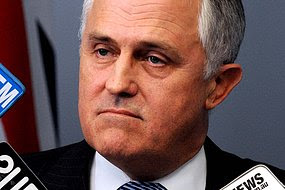
I saw Maclolm Turnbull interviewed the other night saying that he supported emissions trading and reminding people that emissions trading was indeed government policy under the previous Howard Liberal government when Turnbull was Environment Minister (it was pretty token and

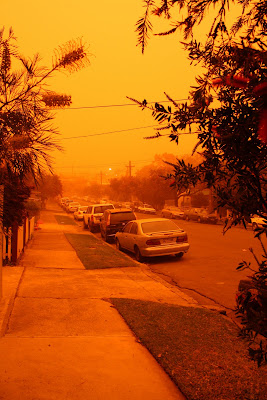
Strange weather in Australia recently: record high winter temperatures, bushfires in spring, hail the size of cricket balls overnight and we woke this morning to an apocalyptic orange glow in Sydney.Meanwhile our Prime Minister is at the UN for climate

The main difference between a carbon tax (emissions tax) and an emissions trading scheme is this. With a carbon tax, the price of emitting a unit of greenhouse gases is fixed but the total level of emissions is unknown. With

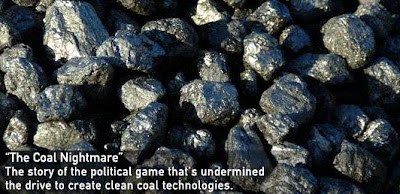
Four Corners tonight is on progress with “clean coal” (also known as carbon capture and storage, CCS): coal-fired power stations that capture the greenhouse gases emitted from burning the coal and store them underground.The bottom line: coal is a large