In previous posts in this series, I discussed the impact on the occurrence of vaccine adverse events of giving multiple different vaccines to a pet at the same visit or different visits, We also need to consider the impact

In previous posts in this series, I discussed the impact on the occurrence of vaccine adverse events of giving multiple different vaccines to a pet at the same visit or different visits, We also need to consider the impact

This post may look familiar, as it’s a repost of a piece from earlier this year, but it fits really well in this series (and it lets me be a bit lazy for the weekend).

Earlier this week (in part 2 of this series) I covered minimal intervals for giving pets different vaccines (when they’re not given on the same day). This post will cover intervals for giving boosters of the same vaccine, particularly in

Picture this: An owner takes their dog to a veterinarian for routine vaccines. The veterinarian recommends a DAPP vaccine (distemper, adenovirus, parvovirus, parainfluenza), as well as vaccination for rabies and leptospirosis. After some discussion, the owner declines the lepto vaccine,
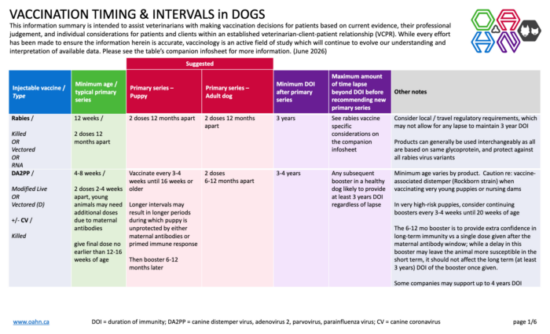
Let’s face it, approaches to vaccination in companion animals are based partly on direct evidence, partly on extrapolation from other species, partly on expert opinion, and partly on “this is what we do because it’s what we’ve always done.” The

Two separate stories regarding Salmonella contamination of unrelated pet products have been in the news lately.
The most recent one was a recall of Salmonella-contaminated pet supplements from Fi, a New York based company (see the link for specific products

Antibiotics get used a lot in dogs and cats (and other species) that undergo surgery. A lot of the time, the antibiotics are unnecessary. I suspect in many cases veterinarians know it’s unnecessary, but they still use them out of

These days, it’s really easy to identify new viruses. Our technology has advanced so much that you can sequence a vast array of viruses from almost any sample from an animal, person or the environment. Finding the viruses is easy,
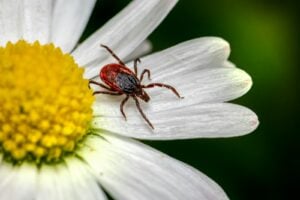
I get a lot of questions about what to do when a healthy dog tests positive for antibodies to Borrelia burgdorferi, the bacterium that causes Lyme disease. It happens regularly because this test is often run alongside blood tests for