

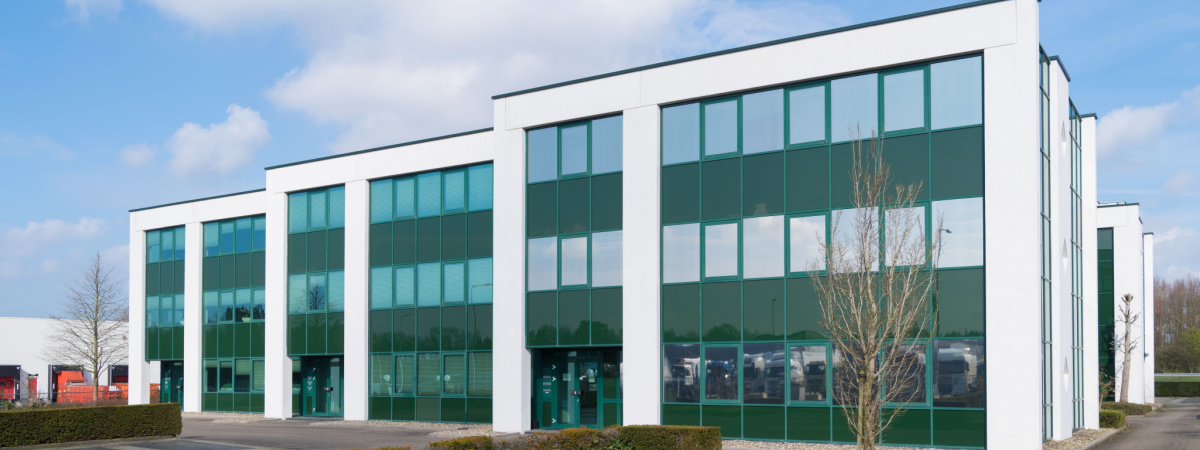
According to recent studies, environmental, social, and governance (ESG) is a key value driver of real estate investments.
Both investors and lenders are increasing their focus on ESG, not only because it may be part of their core values or to meet governmental obligations, but also because the sustainability performance can have a financial impact, both downward and upward.
A good example of the downward potential is the “energy label C” obligation for office space. As per 1 January 2023, the general rule is that office space in the Netherlands must have at least an energy label C (and label A in 2030). Non-compliance with this obligation may lead to government intervention (meaning fines and administrative orders). Non-compliance can likely (also) result in discussions with tenants, as an energy label D or lower might qualify as a defect under the lease and result in higher service charges. In a distressed market, non-compliance with these statutory requirements also can be relevant in the context of the lender’s position, as non-compliance could qualify as a breach of the loan terms. Therefore, it is important to take appropriate measurements to timely upgrade your real estate and/or make sufficient arrangements with tenant or users to allocate costs.
As to upward potential, real estate with an excellent sustainability rating is likely to be an attractive proposition for buyers and lenders. Reduced energy consumption may well be an important factor in attracting tenants in a high energy-cost environment. Moreover, investors are expected to be eager to add prime sustainable real estate to their portfolio, as this may allow them to tap into real estate funds earmarked for “green” investments. A key concept in this context is the EU Taxonomy Regulation, which defines which investments can be qualified as environmentally sustainable. Only real estate that can meet the requirements under this Regulation will be allowed to be marketed as “green”. Unjustly presenting real estate as environmentally sustainable will likely lead to a wide range of legal issues.
Link to About RE-STRUC About RE-STRUC
RE-STRUC is a multidisciplinary team within Greenberg Traurig comprising different focus areas, including real estate, restructuring, including WHOA (“Dutch Restructuring Scheme”), financing, conflict management, alternative dispute resolution, RICS accredited mediation services, regulatory and tax. The team’s primary focus is real estate restructuring and dynamic process management. In Q1 2023 we will present a series of breakfast sessions. Please notify us if you are interested in joining these seminars by sending us an email.