

Last week, we asked for your input on whether certain images generated by AI programs were substantially similar to the Plaintiffs’ original artworks, as alleged in Andersen v. Stability AI.
Orders issued in the Andersen case (and other, similar cases) to date suggest that the success of the plaintiffs’ claims hinges on being able to demonstrate substantial similarity between the copyright-protected materials used to train AI platforms and the output created by those platforms that the plaintiffs claim is infringing. This is because a successful copyright infringement claim requires a showing of: (1) ownership of a valid, registered copyright; and (2) that the defendant copied aspects of the copyright-protected work. The second prong of the test requires a showing of “copying” and “unlawful appropriation.” The plaintiff can prove copying through either direct evidence or access to the plaintiff’s work combined with similarities between the two parties’ works. Courts have held that the hallmark of “unlawful appropriation” is that the works share substantial similarities.
The problem is that “substantial similarity” can be subjective, and typically presents an extremely close question of fact. The standard test used by courts for substantial similarity between two items is whether an ordinary observer, unless he set out to detect the disparities, would be disposed to overlook them, and regard the aesthetic appeal as the same.
What better way to test the waters than to see what you thought? Here are the results of our reader poll:
Image Set #1: 60% of readers thought the AI outputs were substantially similar
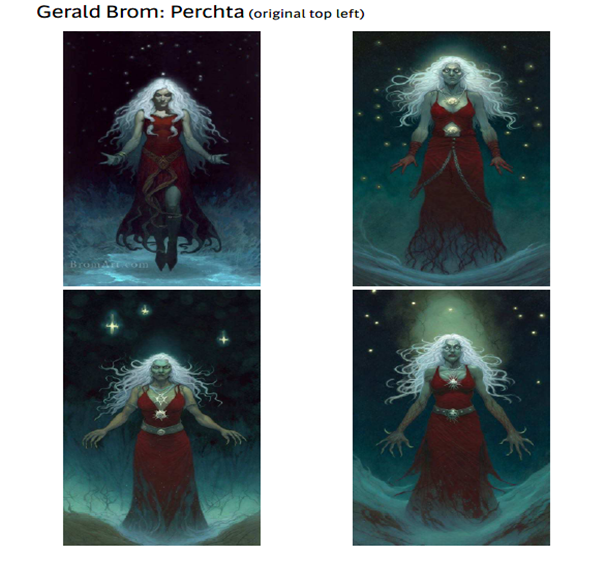
Image Set #2: 50% of readers thought the AI outputs were substantially similar
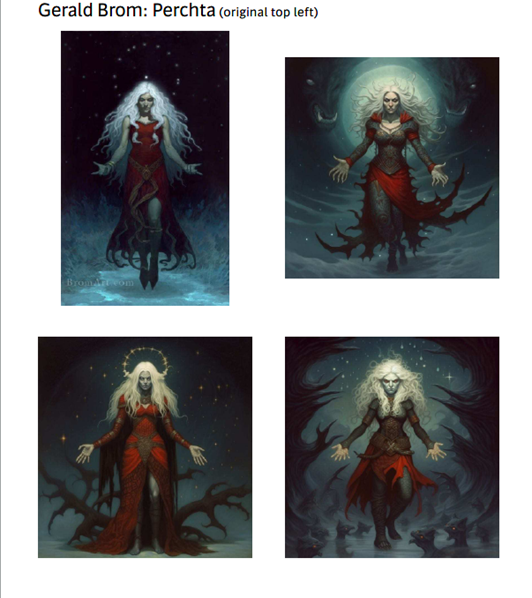
Image Set #3: 55% of readers thought the AI outputs were substantially similar
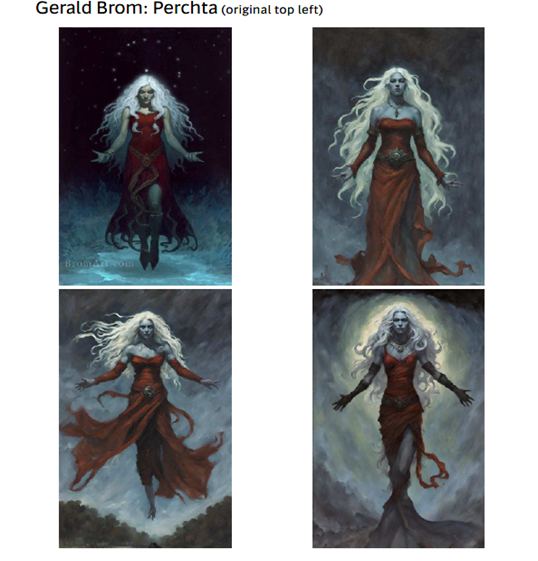
Image Set #4: 70% of readers thought the AI outputs were substantially similar
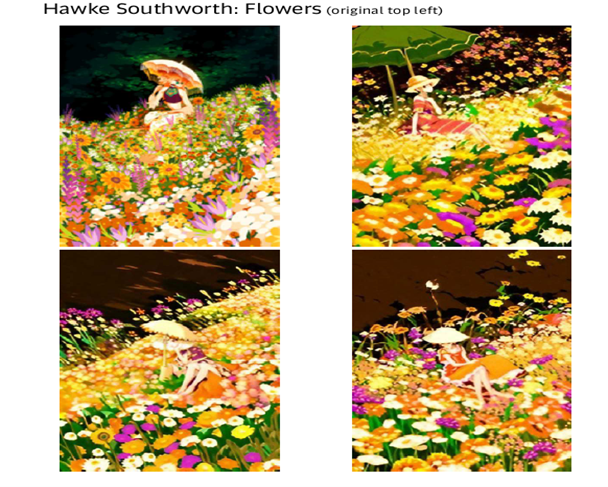
Image Set #5: only 40% of readers thought the AI outputs were substantially similar
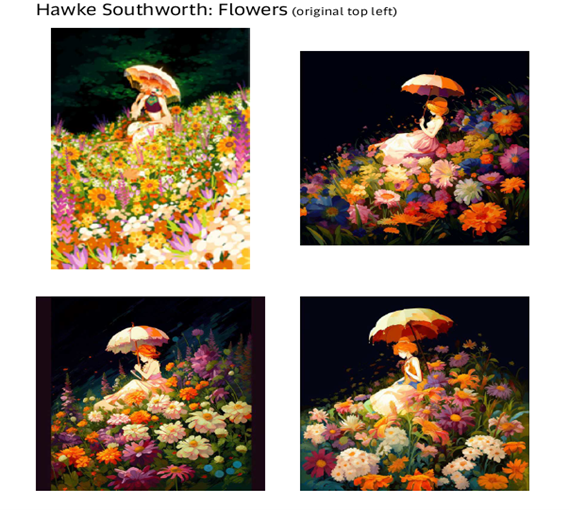
Image Set #6: only 20% of readers thought the AI outputs were substantially similar
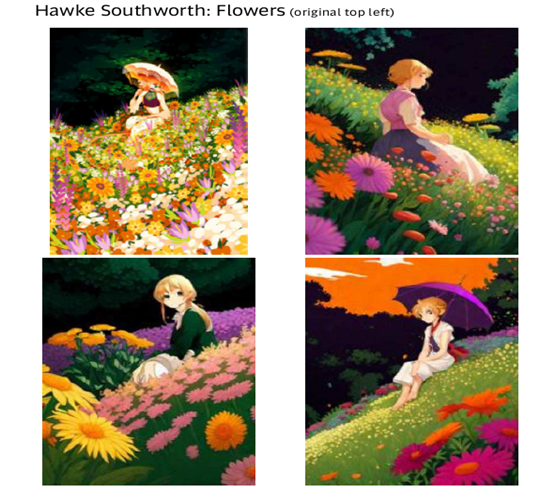
Image Set #7: 60% of readers thought the AI outputs were substantially similar
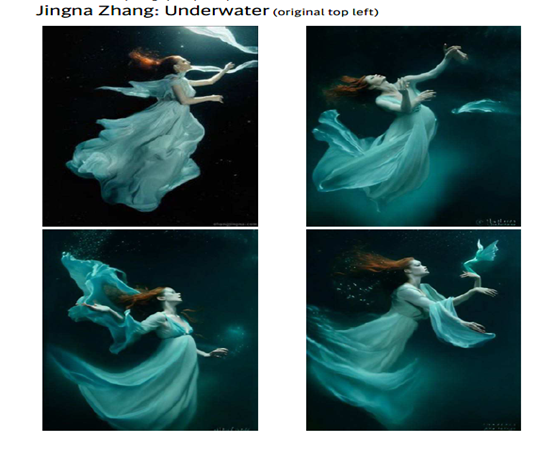
Image Set #8: only 30% of readers thought the AI outputs were substantially similar
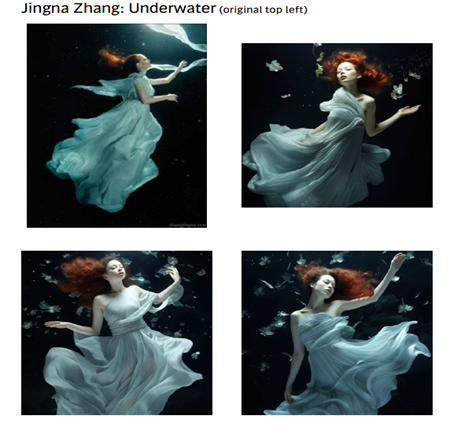
Image Set #9: 60% of readers thought the AI outputs were substantially similar
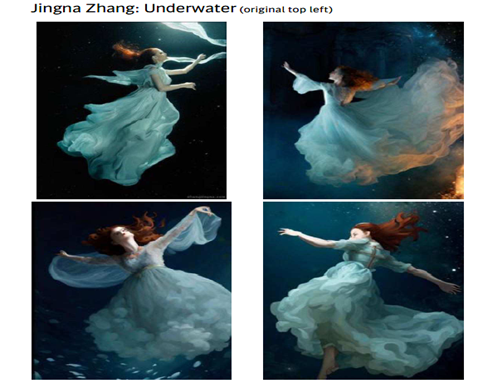
In short, a majority of our readers think that the image outputs are a mixed bag for the plaintiffs, but that many of the AI outputs are indeed substantially similar. Stability AI seems to agree—at least at the motion to dismiss stage. Its motion to dismiss brief doesn’t include any arguments on substantial similarity. Midjourney, Runway AI, and Deviant Art did all raise substantial similarity arguments, as we wrote here, but largely focused on high-level issues about whether “concepts” and “ideas” are subject to copyright protection; whether the plaintiffs actually registered the works in question; and whether plaintiffs manipulated the AI programs to generate the allegedly similar outputs.
The plaintiffs are allowed until March 21 to respond to defendants’ motions, and the defendants must file reply briefs by April 18. A hearing on the motions is scheduled for May 8, 2024.